
This issue, The Mechanic takes a look at
an often overlooked but important issue,
windscreen wiper condition.
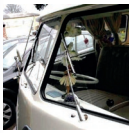
Windscreen wipers are an invaluable part of any vehicle, providing the driver with a clear,
unobstructed view of the road when it is needed most. Whether it is rain, sleet, snow or
leaves covering your windscreen, the wiper blades will quickly and efficiently clear the obstruction,
meaning you can continue your journey in safety.
However, of all the parts of a car which are subject to wear and tear, windscreen wipers are perhaps
the most fragile. Manufactured from thin rubber, they are designed to operate smoothly on the windscreen without damaging the surface of the glass, yet despite their fragility they are often required on a daily basis, possibly for long periods of time during wet weather. In winter they become frozen to the glass and in summer they are used to help to clean the windscreen, while being subjected to high temperatures. It is hardly surprising then, that windscreen wipers do not last indefinitely and require regular replacement. Often the need to replace wipers is overlooked, although regular servicing and MOT testing should identify if they are becoming worn.
However, rather than relying on these tests to assess the condition of the blades, car owners should be aware of the common signs that the windscreen wipers are failing, especially with autumn upon us. So what are they?
Streaking: blades that are in good condition should clear the rainwater from the windscreen effortlessly, in one complete action. This means there should be no streaks of water where the blade has failed to make contact with the glass.
Unusual noises: windscreen wipers should operate with minimal noise or ideally should be silent. Sounds such as squeaks, screeches or scrapes could indicate that the blades have become worn.
Irregular movement: wiper blades which are in good condition will move smoothly across the windscreen. As they become worn over time, you may notice that the blades judder on operation which is an indication that replacement may be necessary.
Ragged or distorted blades: visually inspecting the condition of the windscreen wipers should be a weekly task for all vehicle owners. By lifting the arms of the wipers away from the windscreen, you can quickly assess the condition of the rubber. Ragged, jagged or distorted edges, where the blade makes contact with the glass, should prompt you to replace them immediately.
Worn blades may not only hinder your vision, but can also damage your windscreen, which will in turn not only cost you dearly in a replacement screen, but also hinder your vision even more, making it dangerous to drive with the vehicle in such a condition.
Replacement blades can be picked up very cheaply for all types of van, so there is no excuse not to check yours and change if required, but remember… “Buy Nice or Buy Twice”.