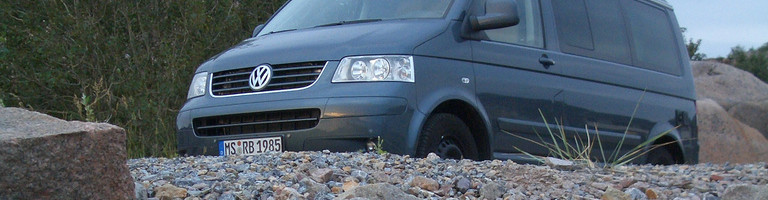
The first van I converted was a T4 Caravelle. It came with all the usual interior trim so was left in place for a more professional finish. Saved a lot of lining out labour as well. The next project was a T5 panel van – a blank canvas. On looking at this blank canvas I was surprised at the amount of space within the panel cavities. As I was going to carry out a rear kitchen conversion, meaning less storage space, I decided to utilise all those cavities by constructing pockets and cupboards within the lining out panels.
The van was a barn door model. The nearside door was too full of door lock etc to be viable but the offside could be made into a good-sized hinged door cupboard. All the other panels could be used to construct door pockets in. The construction I used was the same for all except the rear door had a hinged door with a catch attached to it.

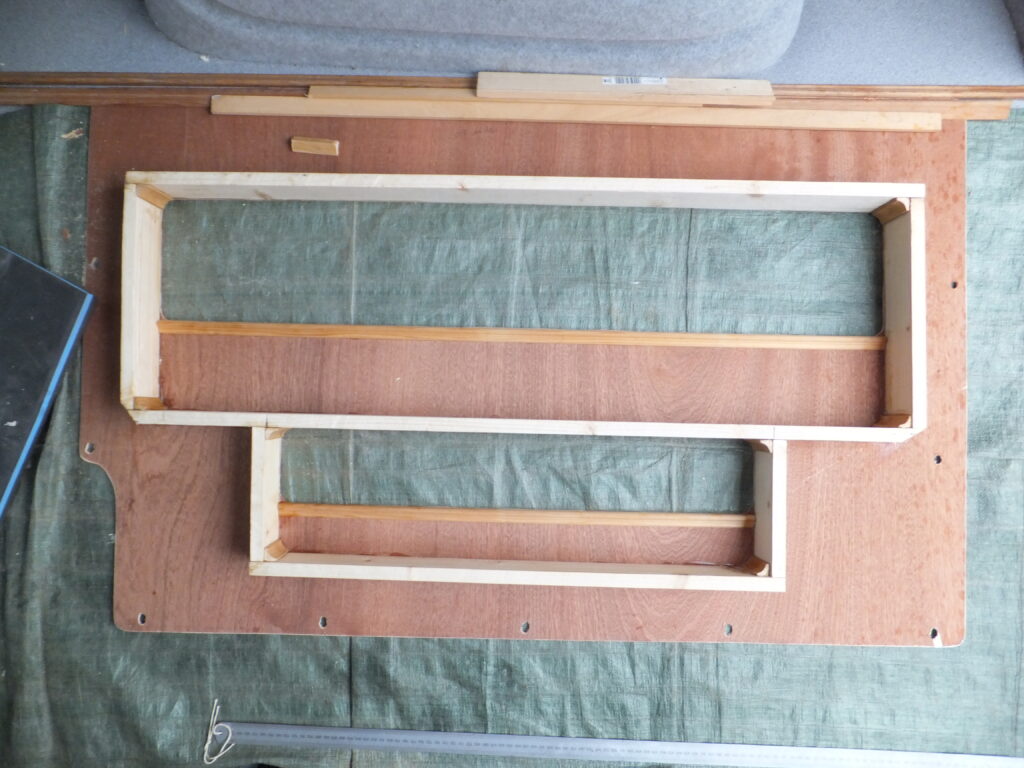
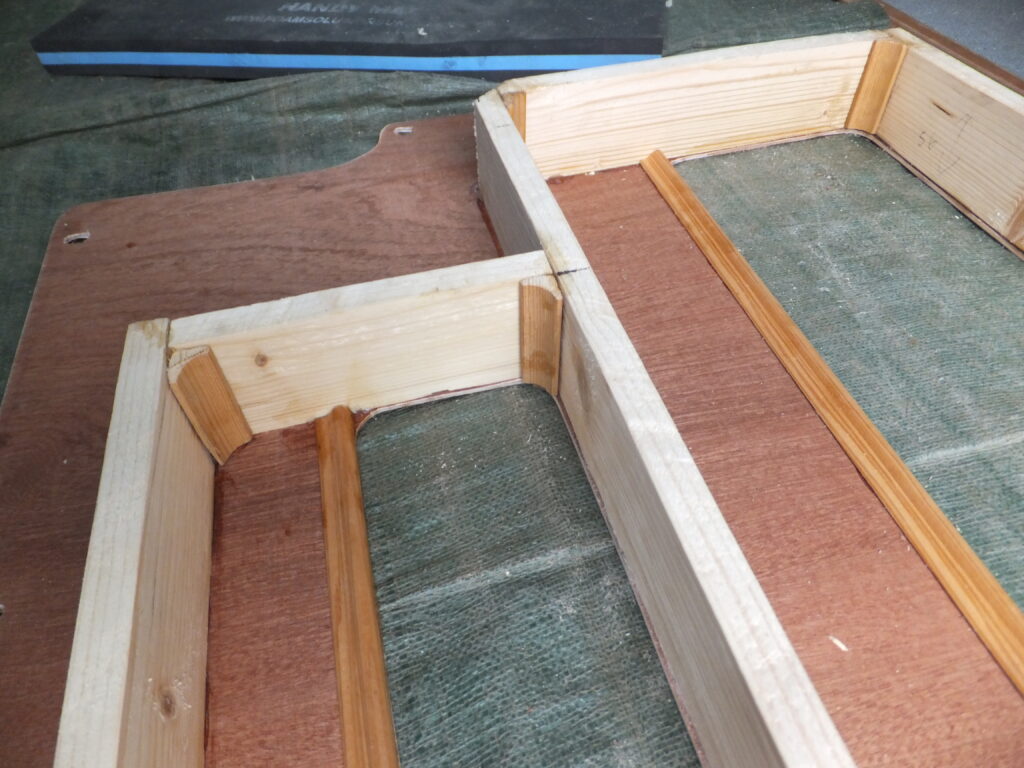
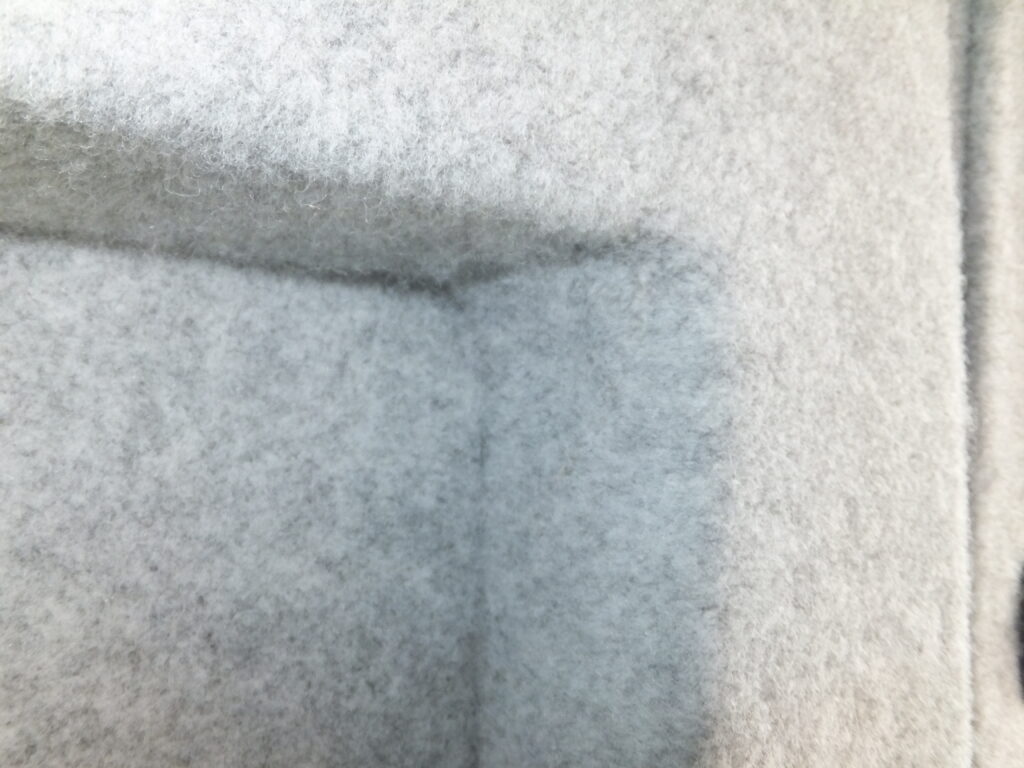
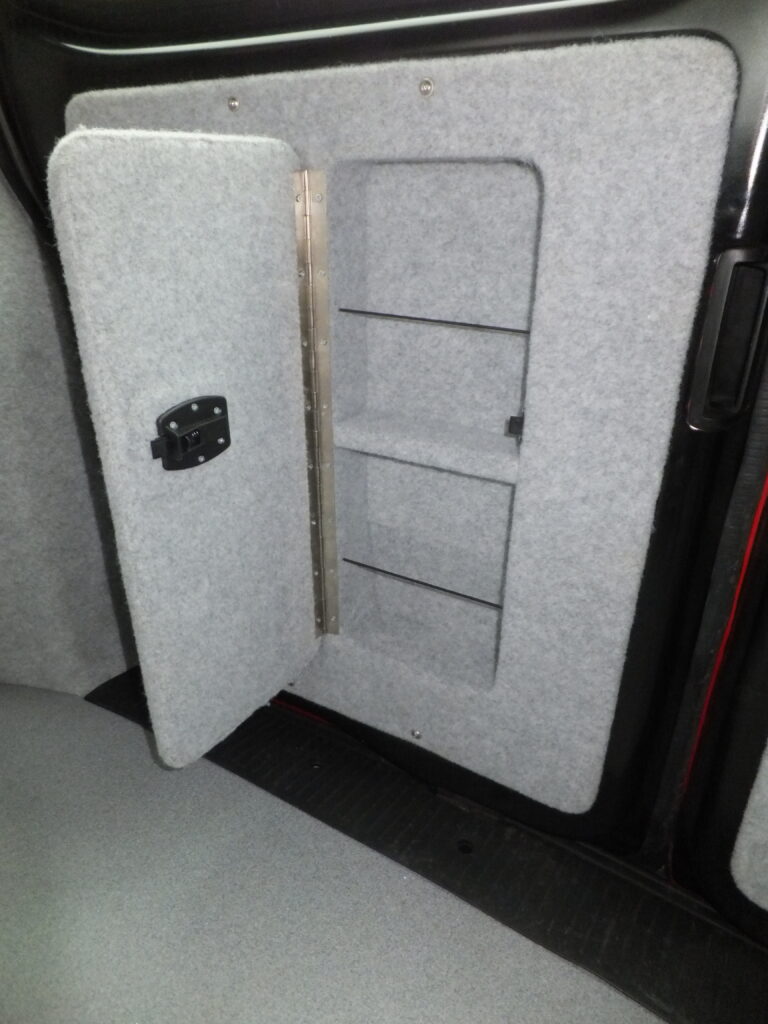
Panels were cut to fit using 3.6mm plywood. Covered with 4-way stretch lining carpet to match the rest of the rear lining and attached with a combination of panel fixings and s/s flanged bolts going into rivnuts. The plastic fixings not being strong enough to hold the panels to the van walls. Harrison’s trim and Megavan mats are good sources for lining carpet, adhesive and trim clips. The rivnuts need a rivnut gun to be fitted and a drill of the correct size to enlarge the holes where they will be used. I tend to use manufacturers bodywork holes – the less holes drilled the better for me.
For each panel I had to work out available cavity space and position it on the plywood panel. Access holes were cut, and a box frame of softwood battening was glued and nailed to the rear of the plywood panels. To the rear of this frame, I glued and nailed the backboard plywood. Before lining the panels, I took the hard edges out of the corners by gluing in some quadrant and beveling with a sanding wheel in a Dremel.
To finish holes were drilled at either end and a length of bungy cord passed end to end to help retain contents. This is especially needed on the sliding door as the last thing you want is something scratching the rear exterior paintwork as the door opens.
Don’t know what cavities are like in other models but with regards to the T5 I found the offside middle to be the most useful panel giving two good sized pockets. The sliding door gives three shallow pockets, the rear quarters are probably not worth the time of constructing and the rear offside door gives a very useful cupboard.
All in all, constructing these pockets was time consuming. I’m not the fastest and I’m sure others could come up with quicker methods but I did find them to be useful storage. Ironically my latest project is a T6 kombi conversion, and I have stored the table to the offside middle so no pockets there and I don’t want to risk bodywork damage on the sliding door side.