Category Archives: T2

How to improve on a classic!. The best selling version of the Transporter

Member Report – Travels with Dennis the Dormobile by Linda Shuttleworth

TRAVELS WITH DENNIS THE DORMOBILE by Linda Shuttleworth
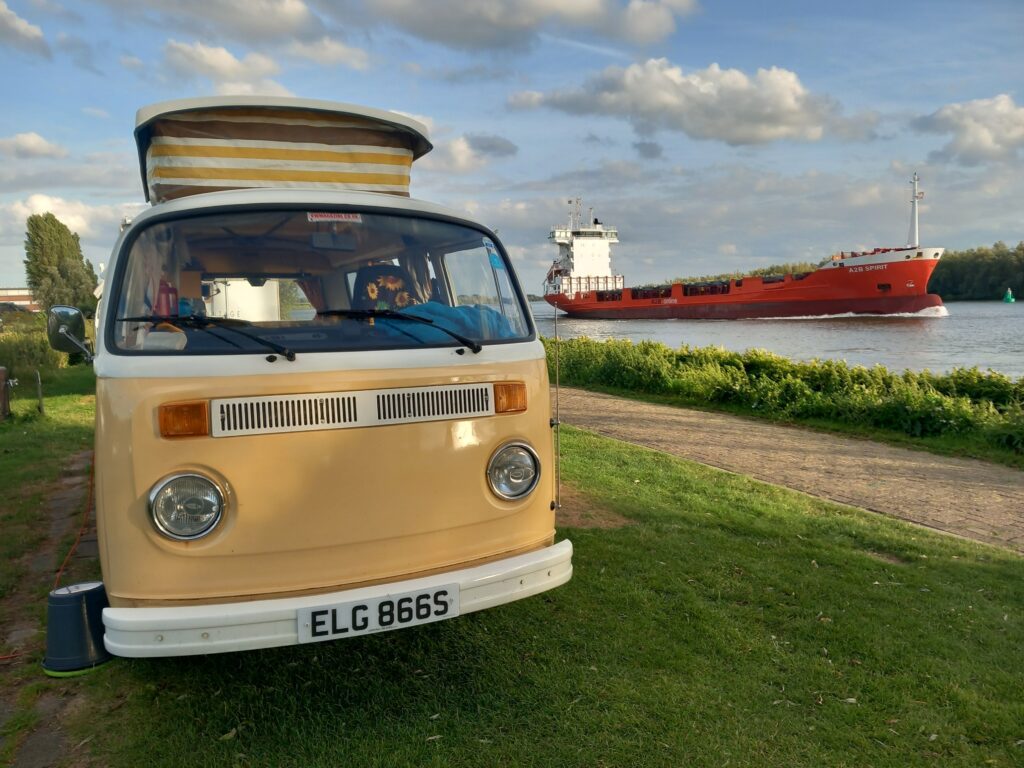
Years ago, we had a trip to Picardy in northern France with our two boys; our first venture with Dennis overseas, and we thought at the time that was probably about as far as we could reasonably expect to go with the van. However, last year we ventured into northern Spain and Portugal for most of the month of May, covering around 1500 miles without any major problem (until we broke down near Rugby on the way home, and missed the Embsay T2 rally!). That gave us the taste for continental travel with Dennis (as well as Mateus Rose!)

This year, the inspiration was Hanseatic ports. The Hanseatic League was a powerful medieval trading network which began tentatively in the 12th century, and continued until the mid-19th century. Many of the Hanseatic port cities have retained some of the architecture and townscape built in their prosperous glory days. Nijmegen in the Netherlands, and Bremen and Lubeck in northwest Germany suggested themselves. Lubeck is so close to the Danish border, that it would have been rude not to take the opportunity…we planned to visit first the southern Danish island of Lolland, then Copenhagen, and Odense on Funen. With the return journey back by Leer in German Friesland, and a couple of nights near Rotterdam, that took care of August!

To relieve ourselves of unnecessary driving miles, we took the overnight ferry from Hull to Rotterdam. This comes with small and comfortable ensuite cabins, two restaurants, bars and entertainment, a good start.

From Rotterdam Europort, we drove to Nijmegen, and camped south of the city at Heumens Bos for the first four nights. This was about an hour’s cycle from the city, no chore in cycle-friendly Netherlands. It was actually lovely to be in an area of woods, smallholding farms and waterways. We had two days in Nijmegen itself, and a day around the villages and fens. There are memorials everywhere to the post D-Day Allied efforts to take the bridges and liberate Europe, which was an additional interest for us, as Stewart’s Dad had been in Nijmegen in 1944 with the Royal Artillery. The campsite was green and peaceful, broken up into smaller areas with trees and hedges, a small shop, bar and café, swimming pool – and an outdoor gym!

Then to the Hanse campsite by a lake in a massive park in the outskirts of the majestic city of Bremen, good facilities again including a lakeside restaurant, a shorter cycle into the old heart of the city. We also enjoyed exploring the river and the harbour area.

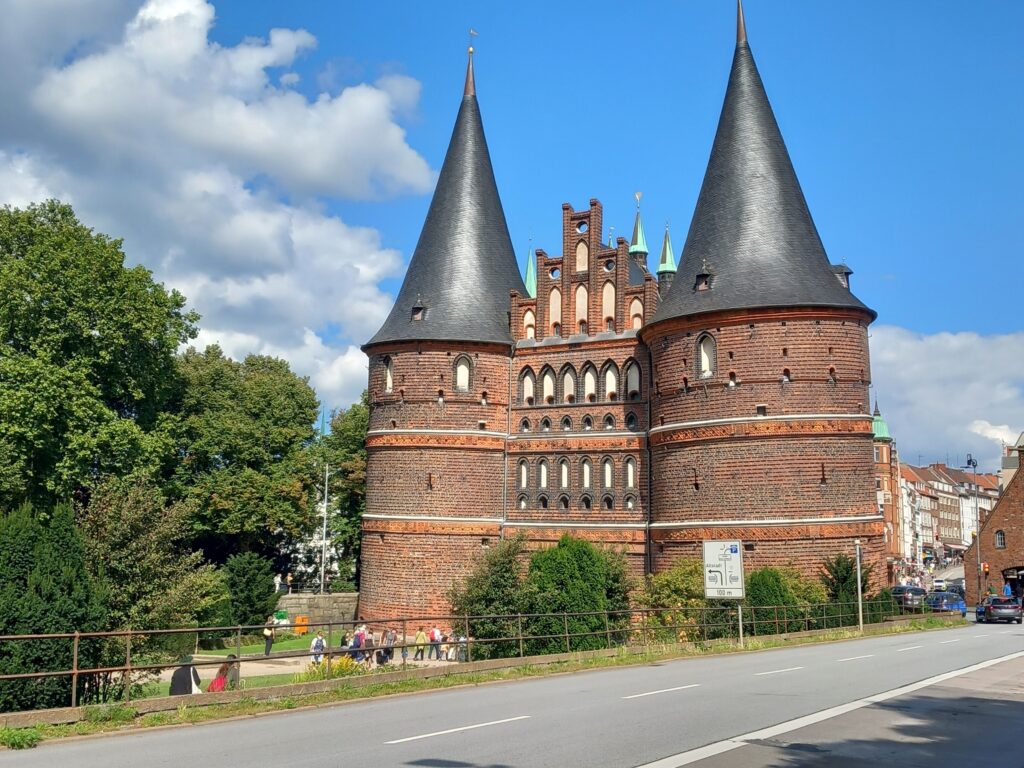
It was a short drive to our friendly Campingplatz on the edge of Lubeck, and near open countryside. Lubeck was stunning for its towers and spires, city walls and other buildings, a medieval cityscape on steroids! It was the cradle and most important city of the Hanseatic League. The historic old town, densely built on an island in the river, is Germany’s most extensive UNESCO World Heritage site.

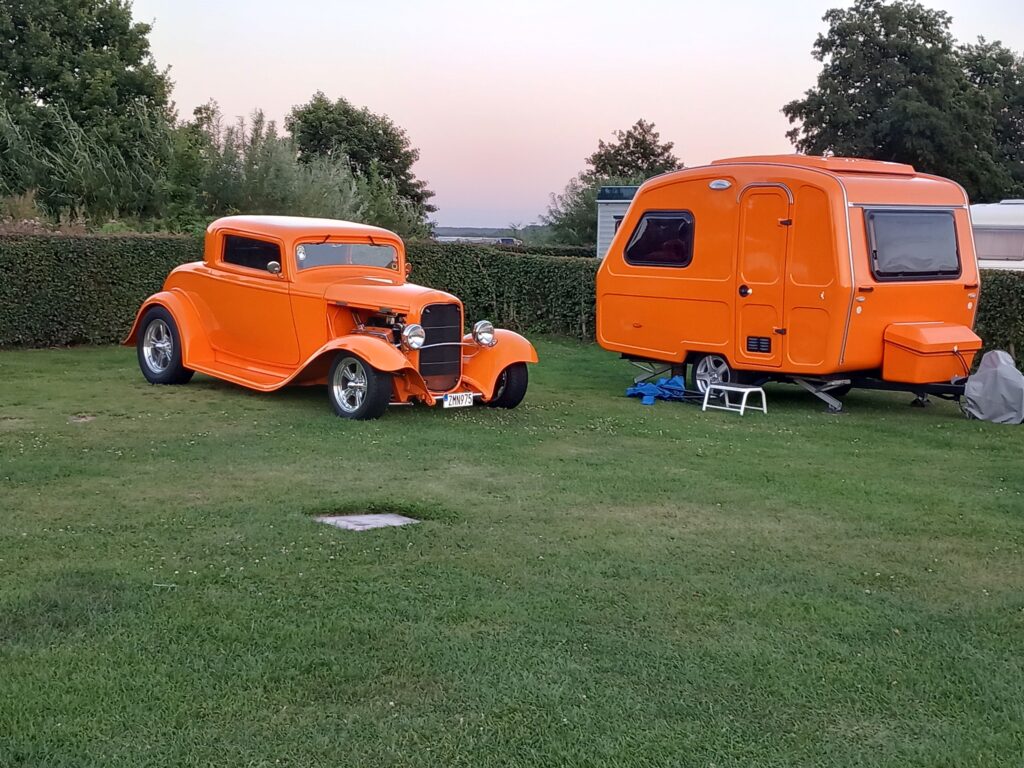
It felt dramatic to cross to Denmark by ferry, something that will soon be a thing of the past, as a massive tunnel on the seabed is being constructed right now, section by section. We visited the exhibition centre about the tunnel, which was fascinating. We had a lovely campsite by woods and a lake, within a short walk of the small town of Maribo. We had the best spot by the edge of the trees, with the bonus of the first night of ‘My Fair Lady’ belting out from the outdoor theatre behind us! We were also lucky to be there at the time of the two-yearly international gathering of vintage vehicles with souped-up engines (hot rods), which paraded themselves in and out every day.

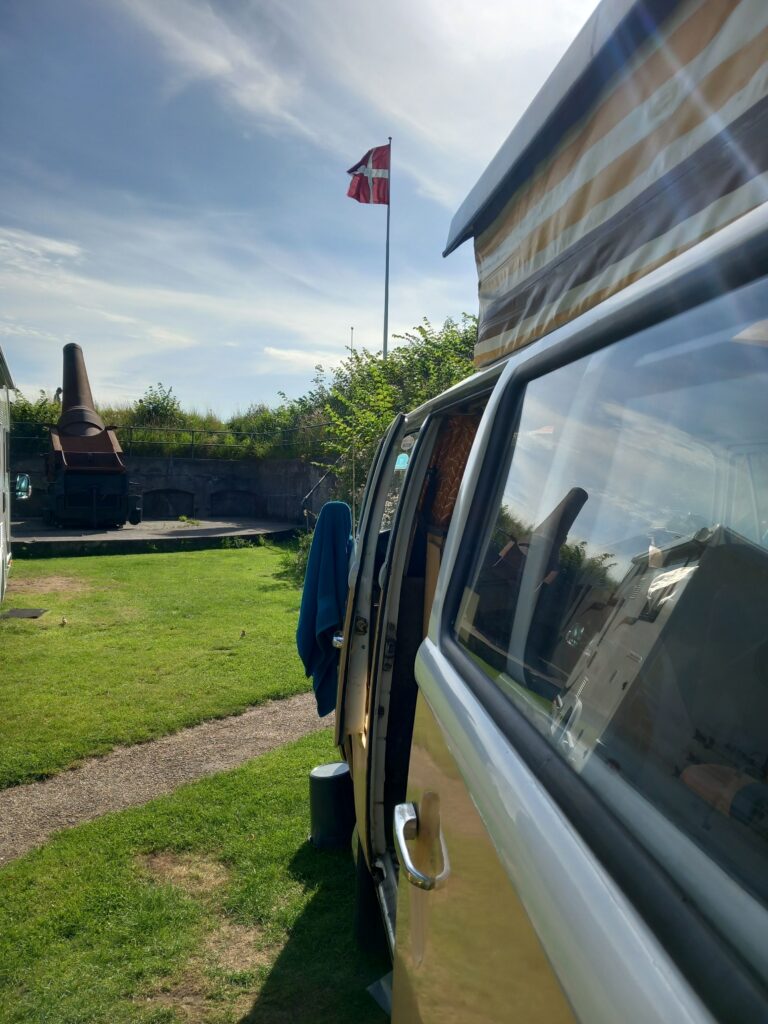
Tunnels and bridges between the islands (we hadn’t realised how many islands there are in Denmark) took us to Copenhagen, and the unique campsite tucked within the star shaped ramparts of the 19th century fort at Charlottenlund, complete with 1912 Howitzer guns still pointing at the sky. On the seaward side, the Baltic is fringed by a popular sandy beach, good for swimming. Even Linda got in and swam in the Baltic! The campsite information had mentioned the Morning Sing, slightly to our bemusement. And at 9 am, sure enough, there was a communal singing of Danish folksongs! We were impressed at how easy it was to cycle in and around this, the capital city of Denmark. We found being in the cycling rush hour at the end of the afternoon quite exhilarating. Of course, we had to go and find the Mermaid on the first day (she’s stunning, even with all the attention around her).

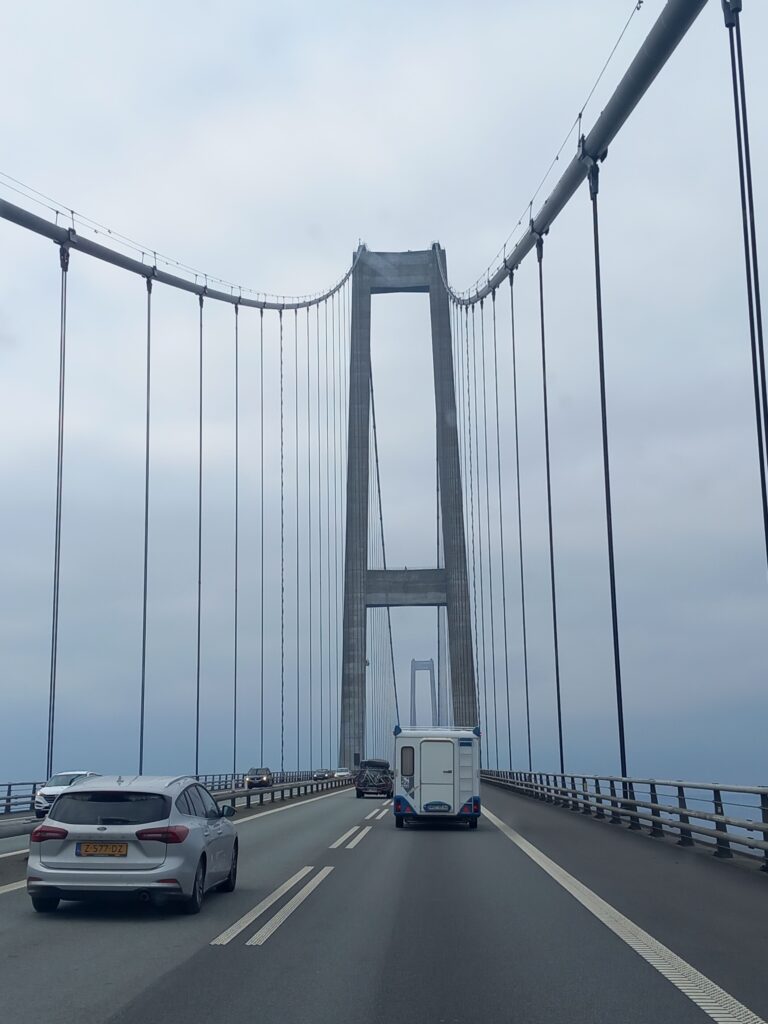
Odense was an unexpected joy, the third city of Denmark, and the centre is almost entirely traffic-free and green. Bikes and trams are the order of the day, both in the old quarters, and the twentieth century precincts. Hans Christian Andersen is perhaps the most celebrated son of the city. To drive there from Copenhagen takes you over a very familiar (to viewers of Scandi noir) and enormous Bridge in two distinct parts, 18km in total length. It was awe-inspiring, especially to be travelling over it in our old friend Dennis.

It was a relatively long drive from there to Leer, in German Friesland, which we had picked as a convenient break of the journey back to Rotterdam. The campsite is a little out of town, by a former marina (which is turning back into a wildlife wetland) on the river Ems. Leer turned out to be delightful, a historic town and harbour with equally historic boats, and the surrounding countryside blends into that of the Netherlands, with waterways, dykes and polders.

Finally, we crossed the border back into the Netherlands, and to the rather alarming outskirts of Rotterdam, at one point driving in the midst of two parallel motorways, twelve lanes of traffic and muttering ‘thought this was a cycling country!’ Having said that, it was well signed, and with one of us keeping an eye on navigation, we were fine. Suddenly we were driving along quiet narrow roads on top of dykes and through villages to our campsite southeast of the city, by the huge Oude Maas River. This site did have a functioning marina, and to our delight, some pitches on the banks of the river, very windy but with the most incredible amount of commercial traffic. Riverboats and barges were passing every few minutes, to Stewart’s unspeakable delight!

Rotterdam is a big city to take in on a day, and after walking our socks off, we had a lovely late afternoon trip on a heritage tram, which took us round both the old and the quirky modern aspects of the city. We spent our final day in Dordrecht, a few miles east of the campsite. Like Leer and Maribo, we had never heard of it before this trip, and like them, it took us by surprise. With the old heart of the city built on three islands, Dordrecht has Venice-like streets of houses built right into the water. We happily wandered around, taking it in, before treating the navigator to a large G&T and both to tiny poffertjes pancakes, and heading for the overnight ferry…and our first T2 rally at the Embsay and Bolton Abbey Railway!

Linda and Stewart Shuttleworth, summer 2024.
Another one in the bag – Club AGM – 2026

The 2026 AGM by Sarah McCutchion

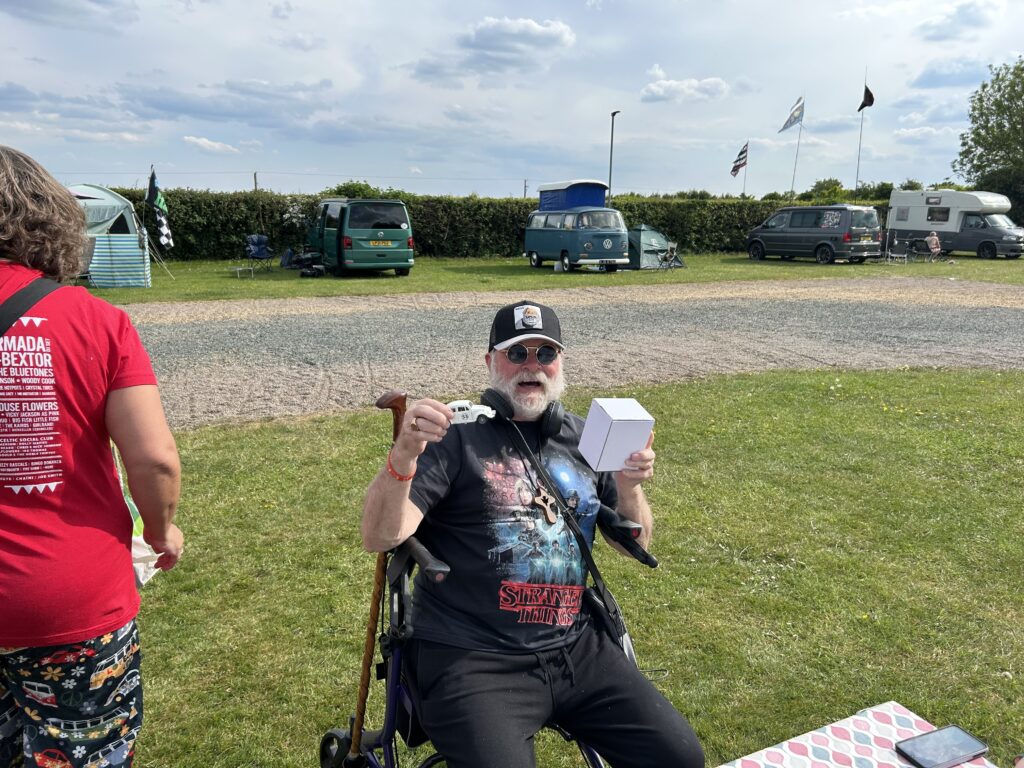
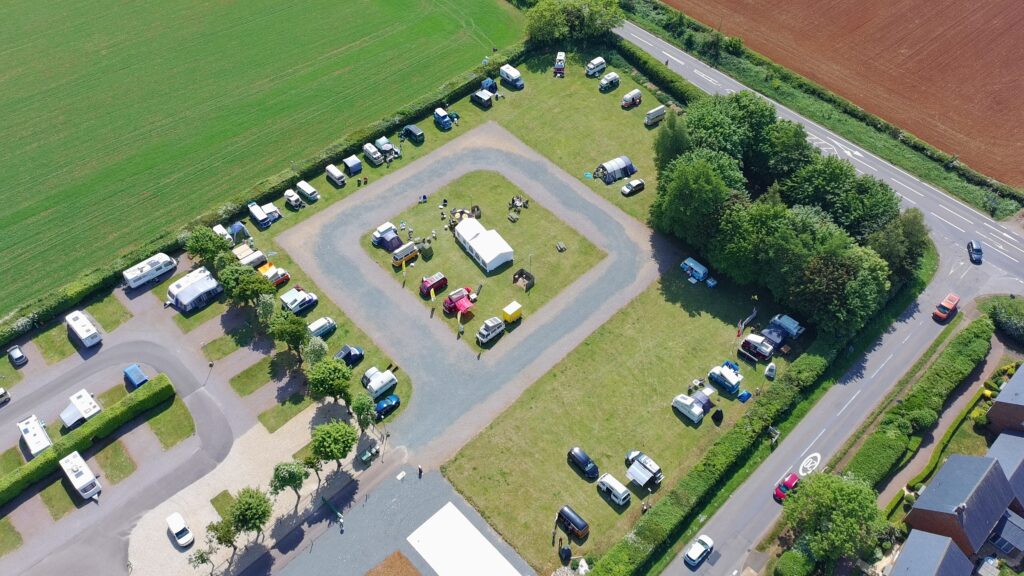
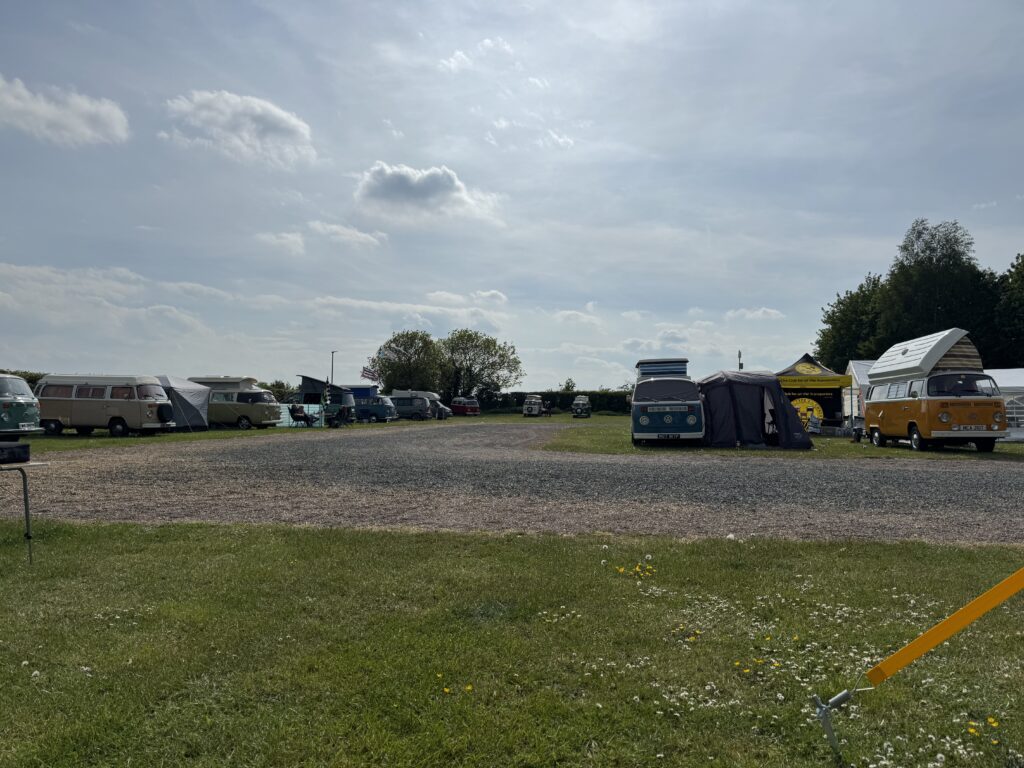
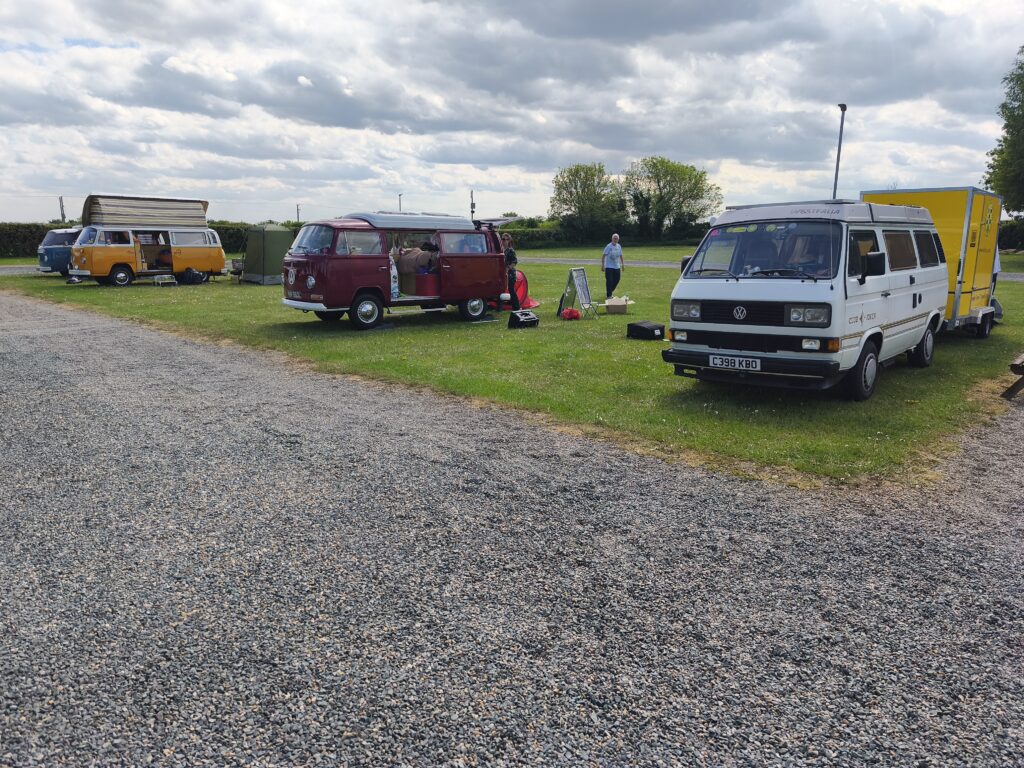
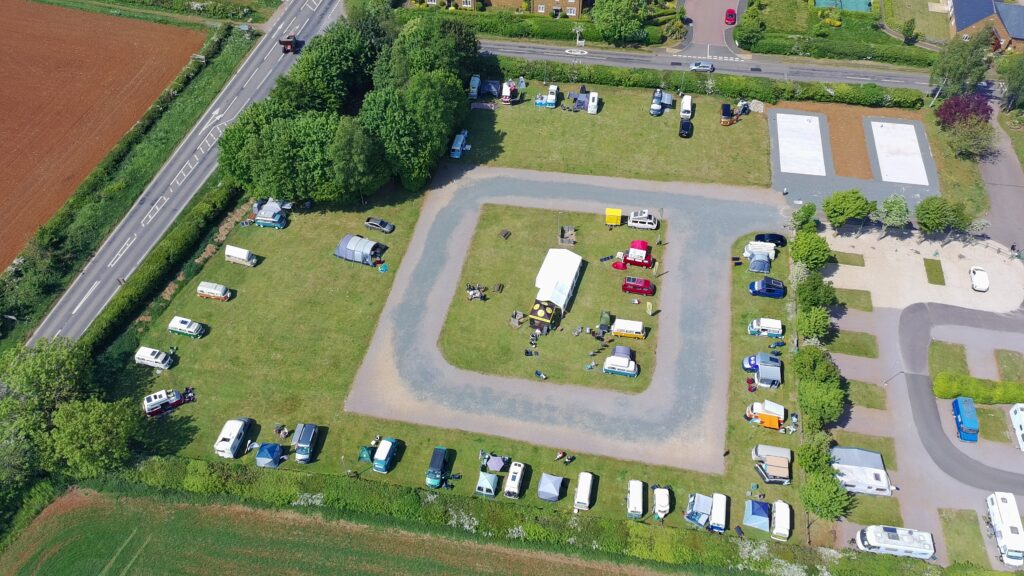
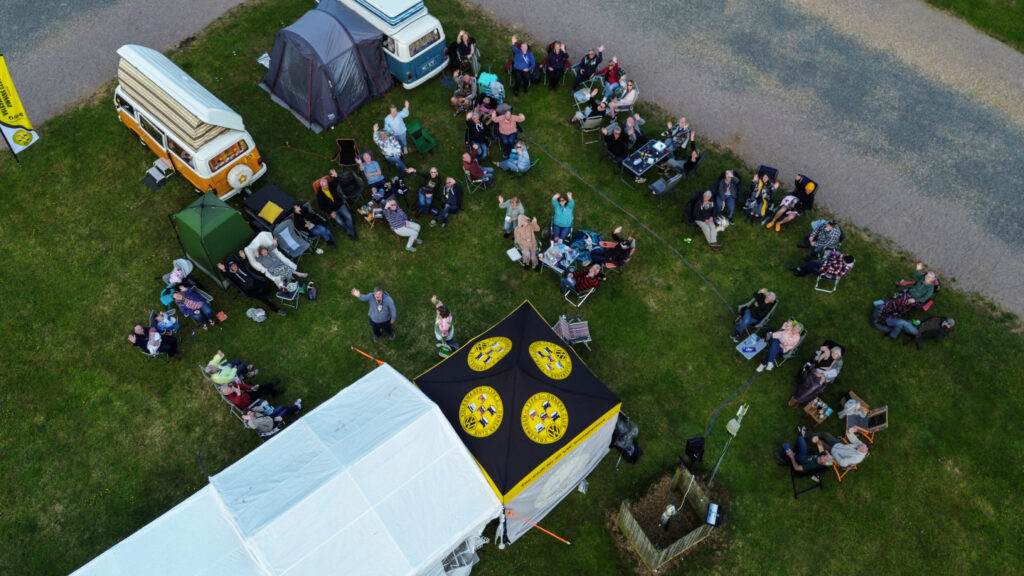
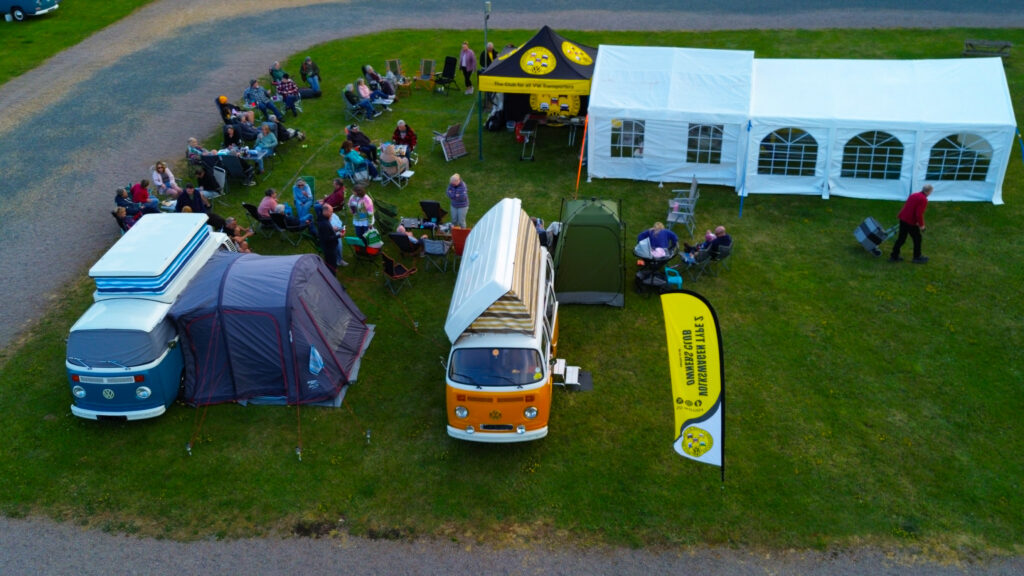
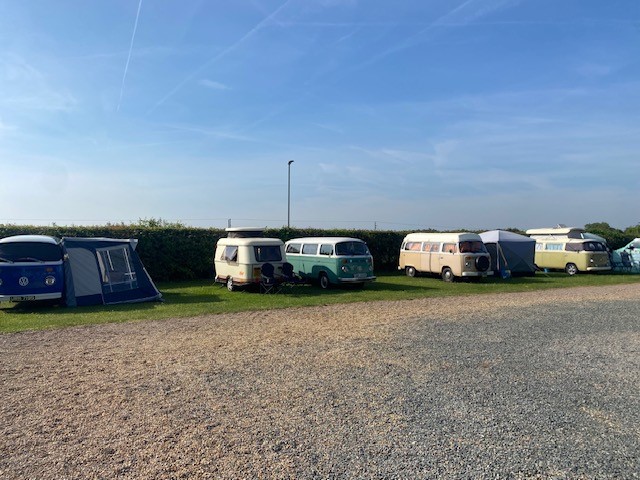
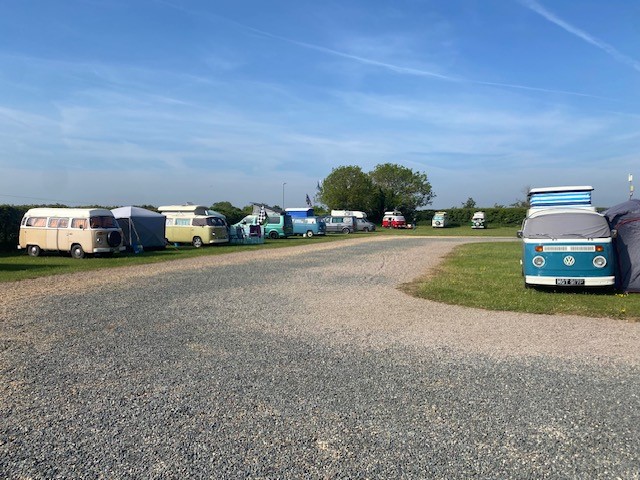
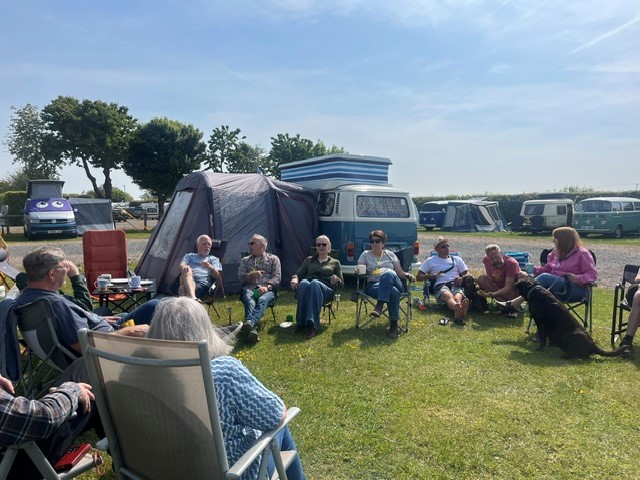
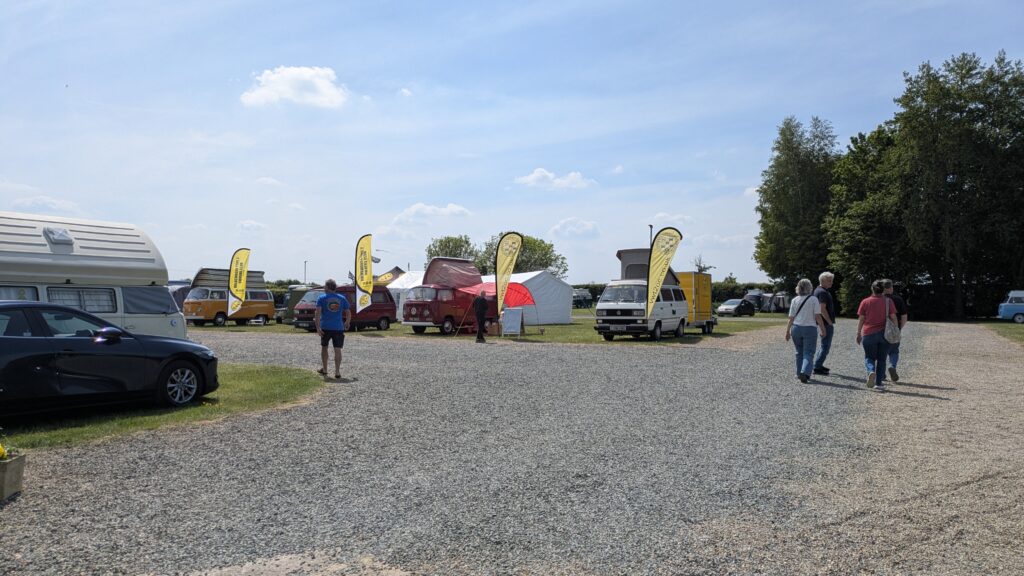
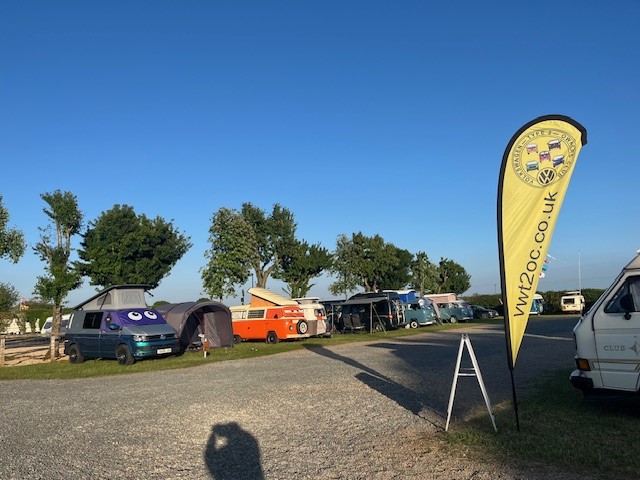
As in previous recent years the venue was Barnstones Caravan & Camping Site, near Banbury.  It was heartwarming to arrive and see so many vans parked and set up ready for a fun but important weekend for the club.  
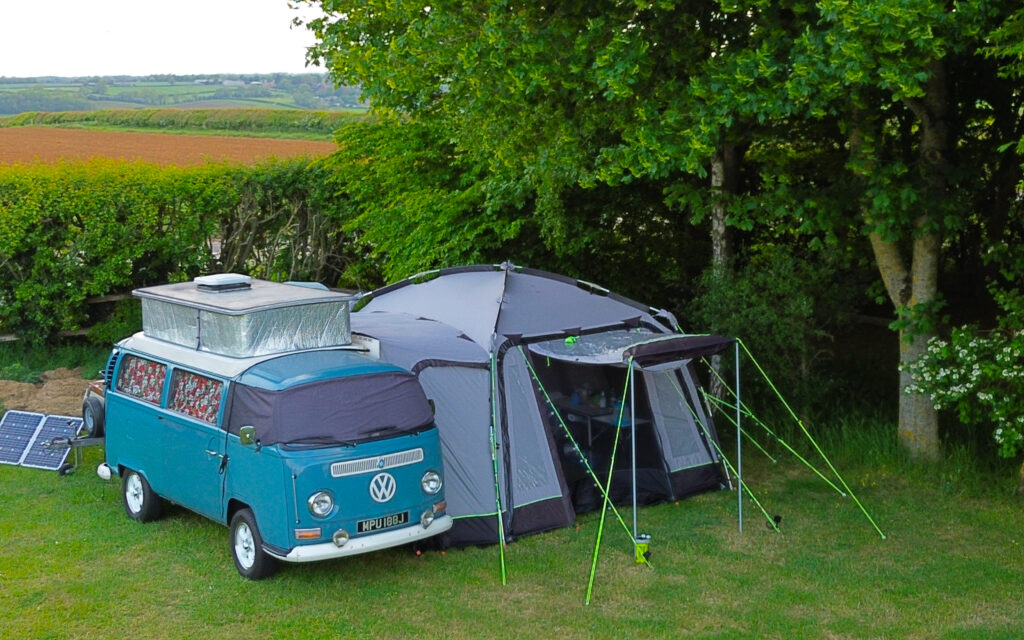
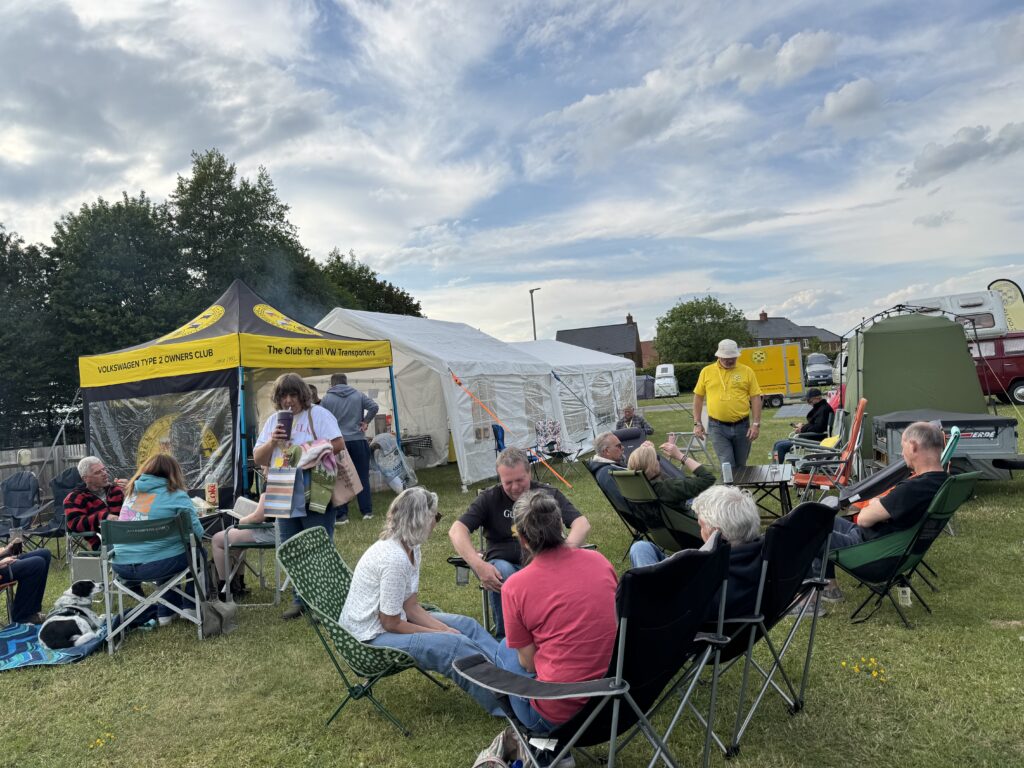
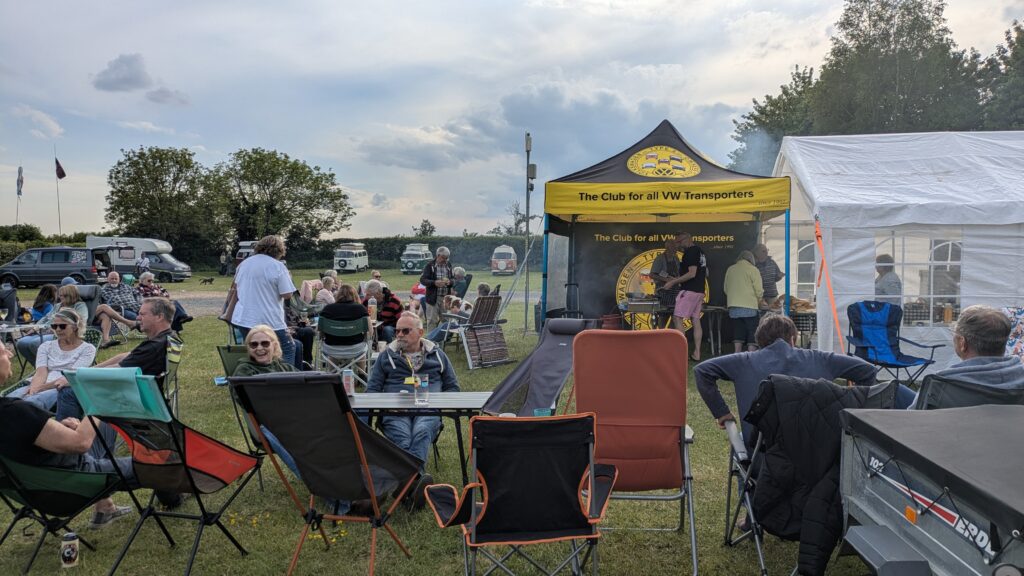
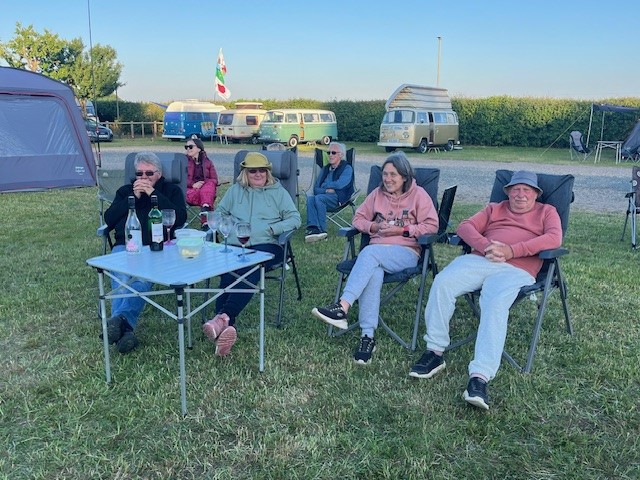
Fortunately the weather held out for the weekend and we were able to sit outside in the (reasonable) sunshine into the early evenings, chatting to friends old and new.

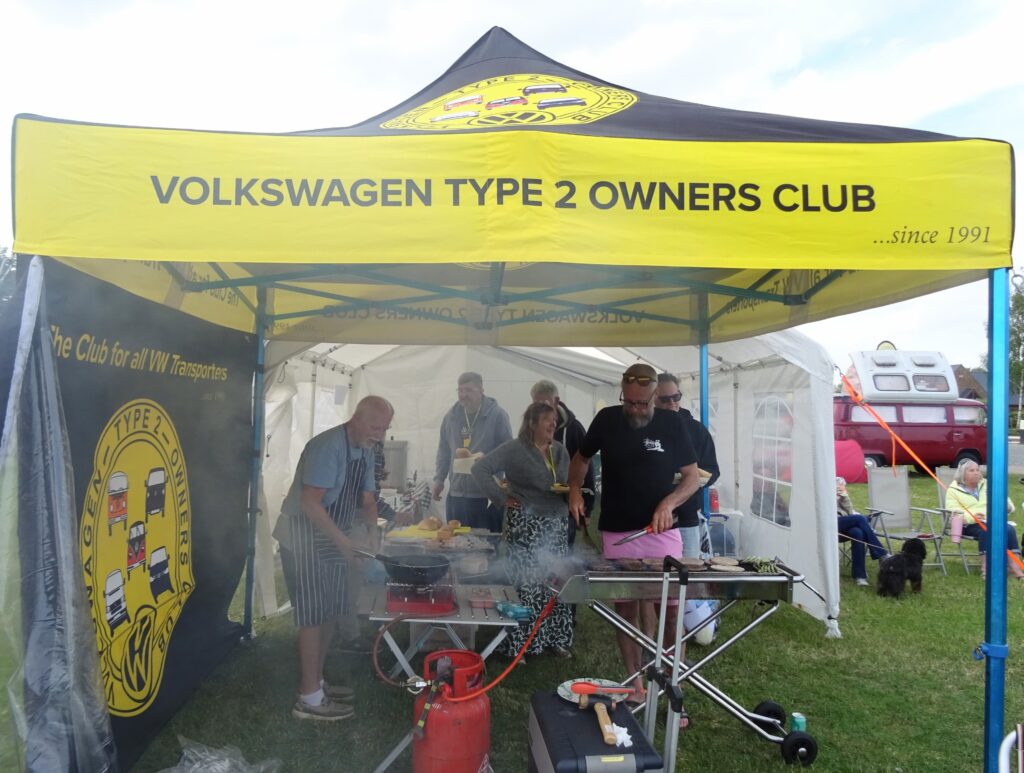
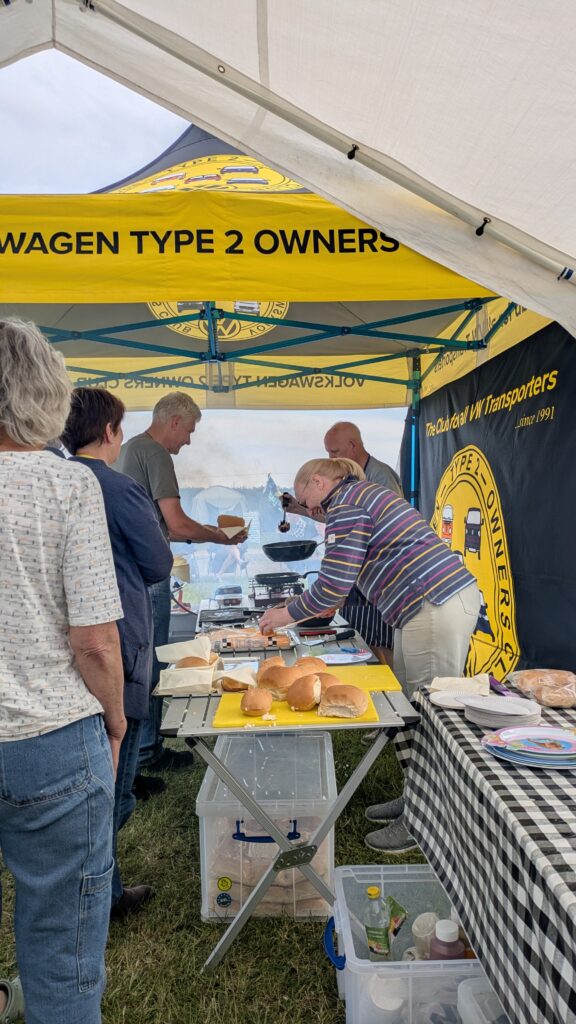
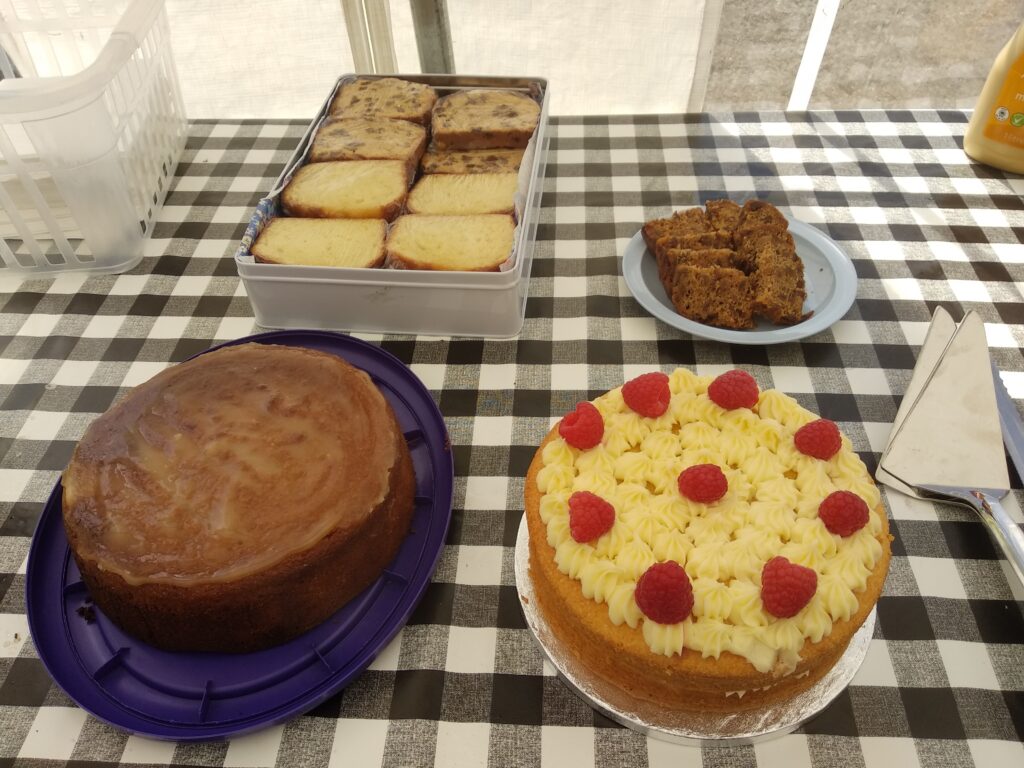
As with every “meet” there was plenty of camaraderie, laughs and fun.   There were opportunities to discuss problems with the vans (who’d have thought!!), share ideas, tips and stories.  A huge amount of effort and hard work was put into the weekend by the management team, this included organising the Friday night fish and chips run from the local chippie, the Saturday BBQ and the Sunday morning bacon rolls.   In addition, there was plenty of cake, tea and coffee for everyone.     There were games, a raffle and a quiz too. 

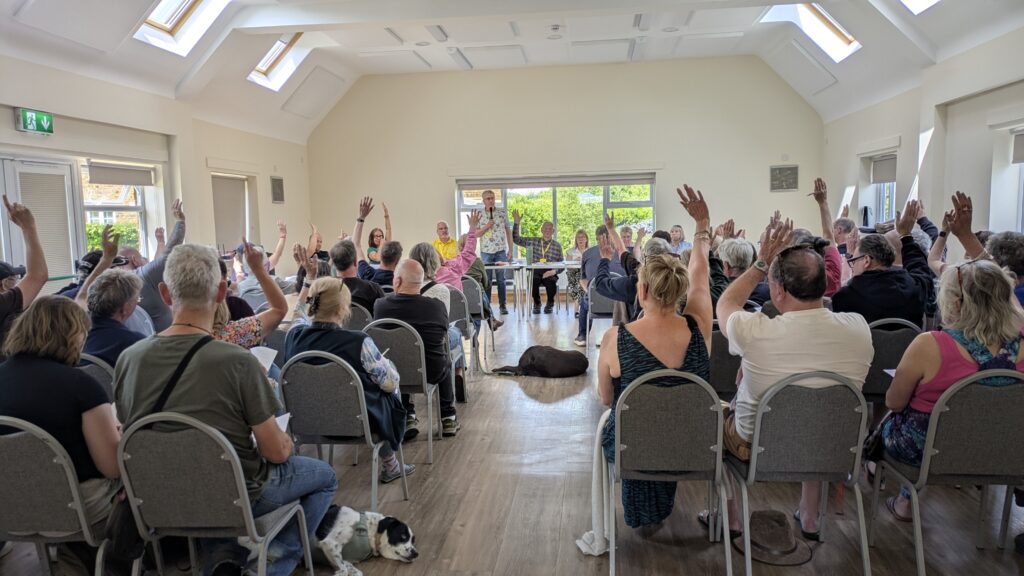
The main purpose of the weekend was of course the AGM which was held in the hall opposite.   The management team put a lot of their own time into running the club and this along with their endless enthusiasm came across from those that spoke.   The minutes will cover the content.  One of the requests was that we, the members, should help fill the magazine with content and I volunteered to make this small contribution of the weekend.   So come on lets all help them. 

Upcoming Club Event – Golden Valley Vintage Fair, June 5-7 2026

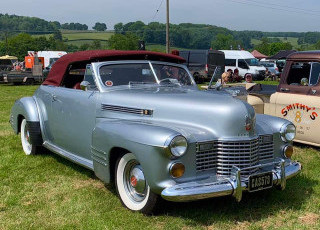
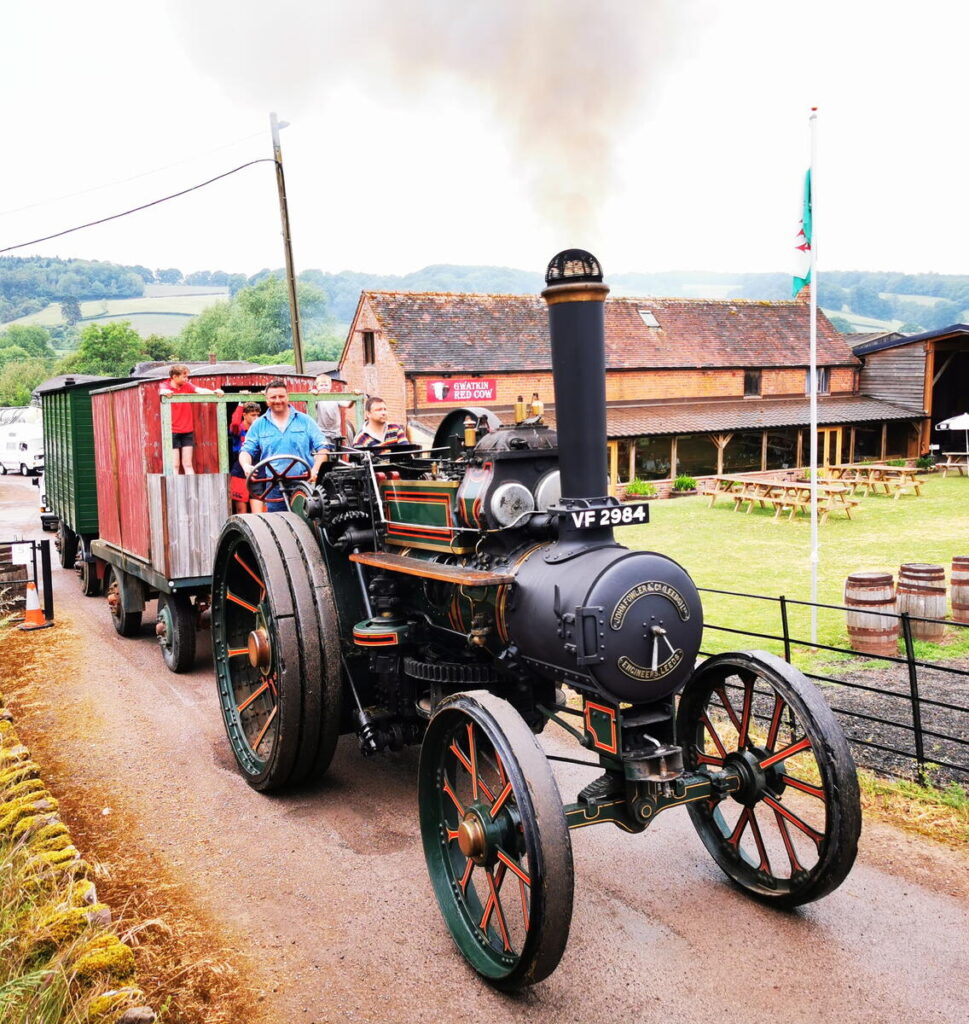
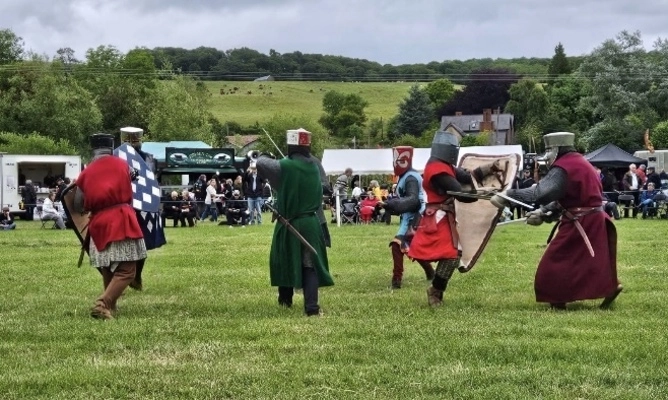
This event is held at the Gwatkin Cider Farm in the heart of Herefordshire’s Golden Valley. What could go wrong with this. Straight out of a James Herriott book this show is English as it will get. I know for a fact i will be sampling those apples for sure. Here we are provided with club camping and a chance to display our vehicles. Better give mine a clean.

 Another one in the bag – Type 2 Detectives Maintenance Weekend

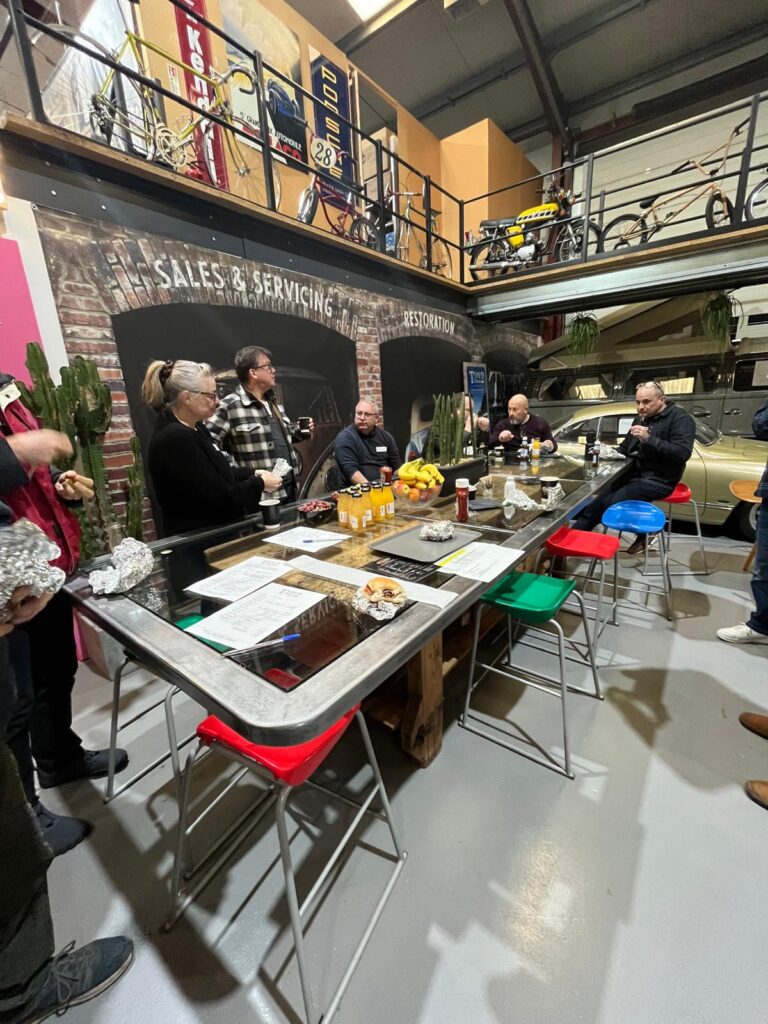
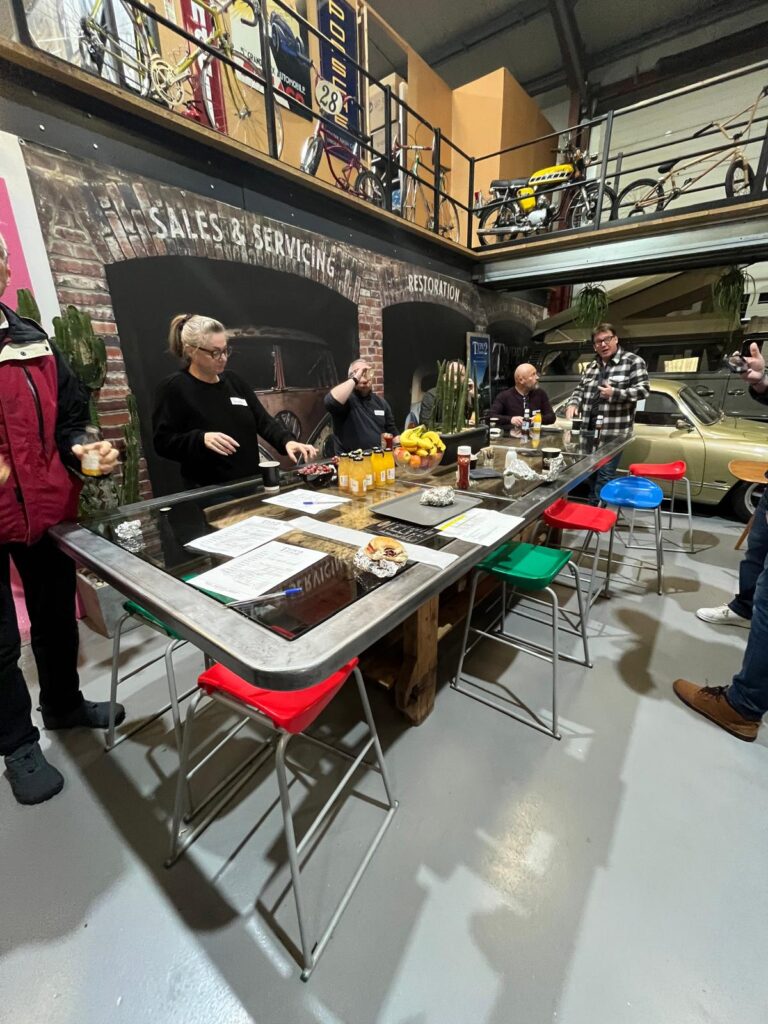
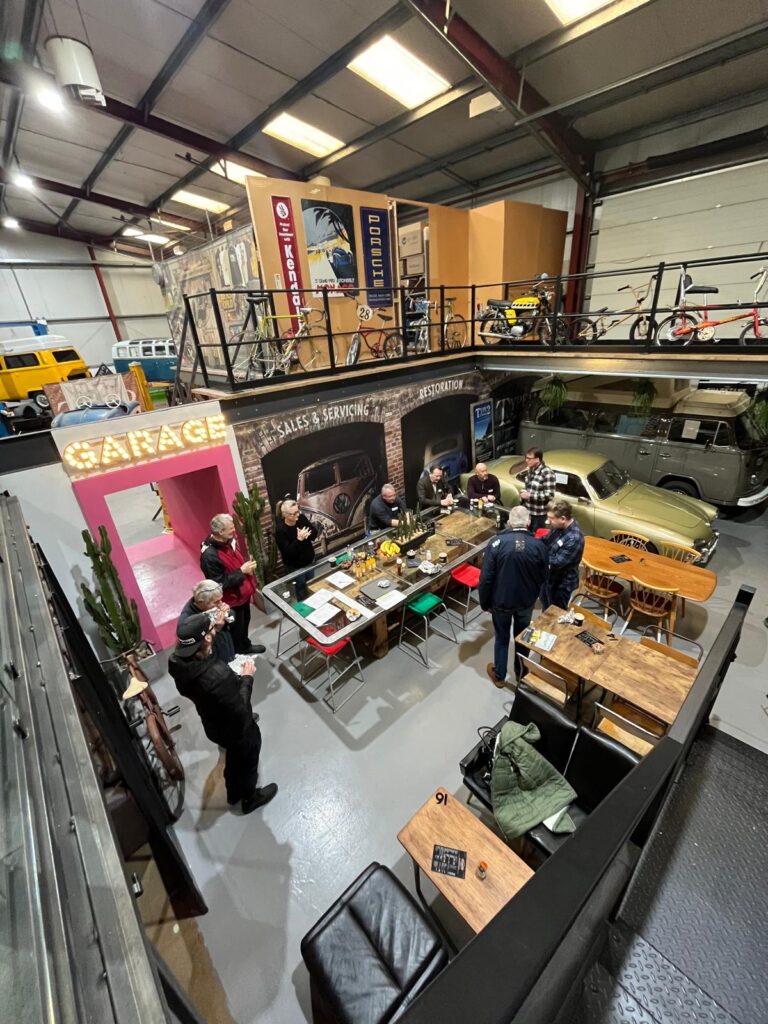
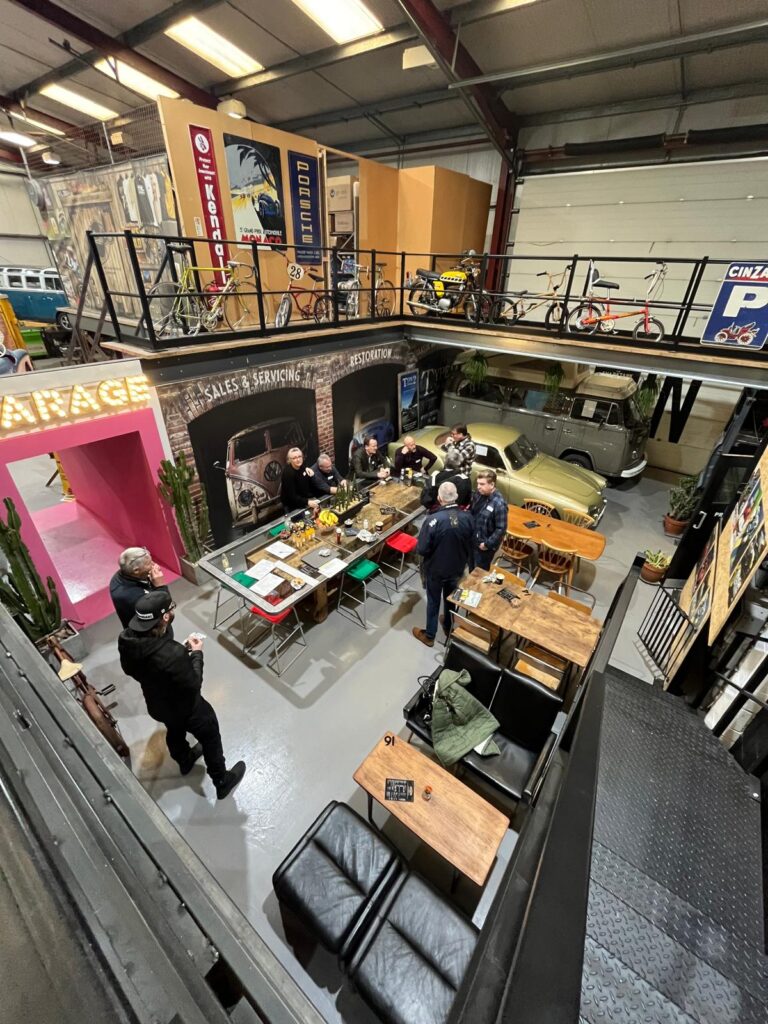
Type 2 Detectives Maintenance Day by Simone Smith

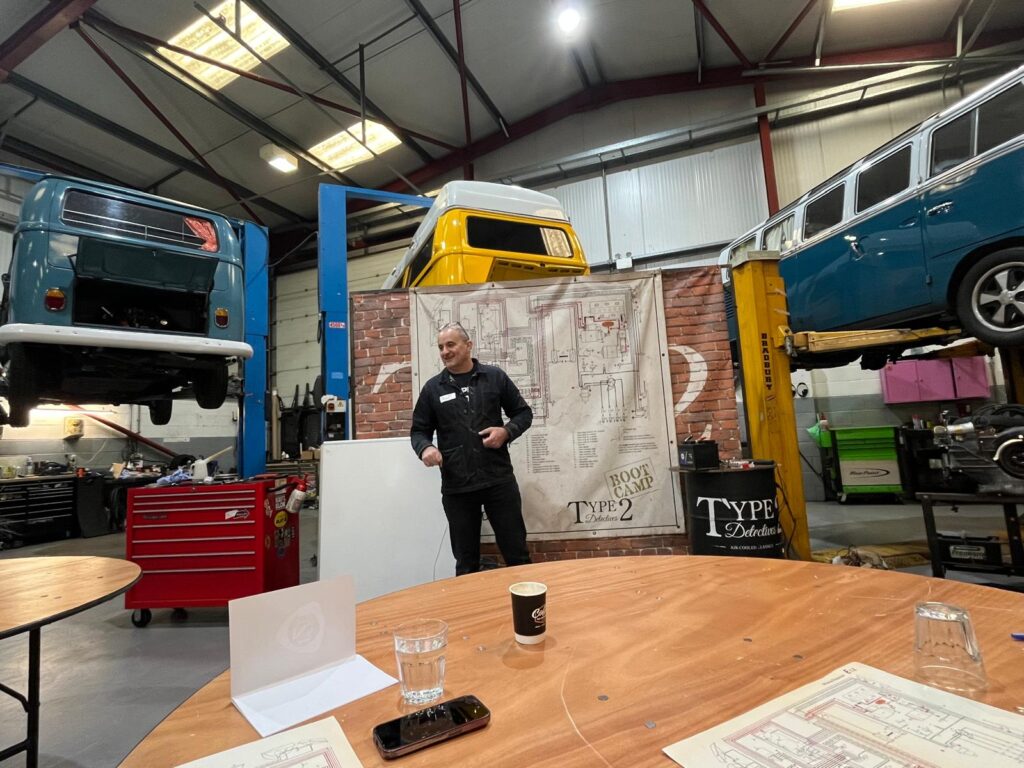
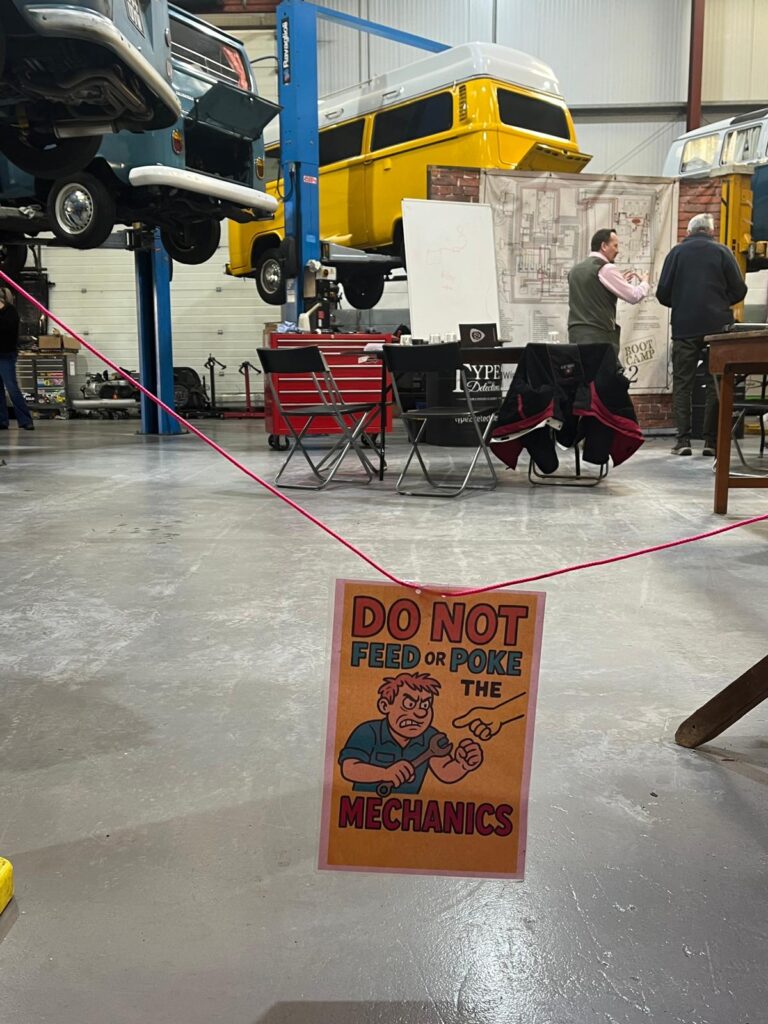
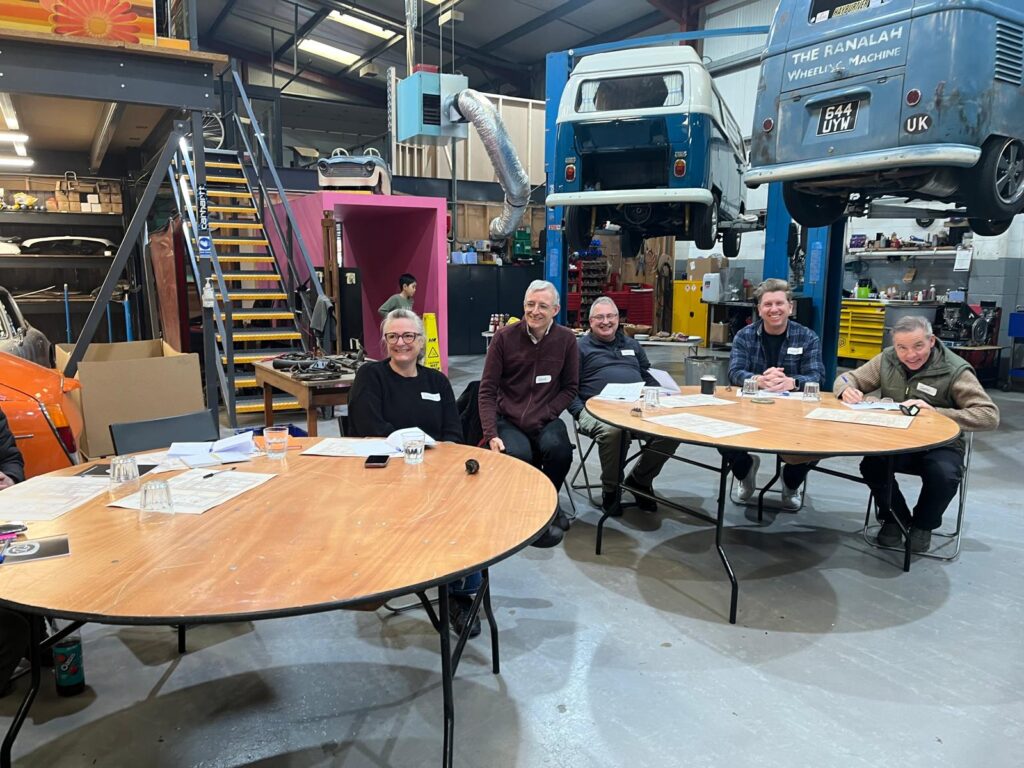
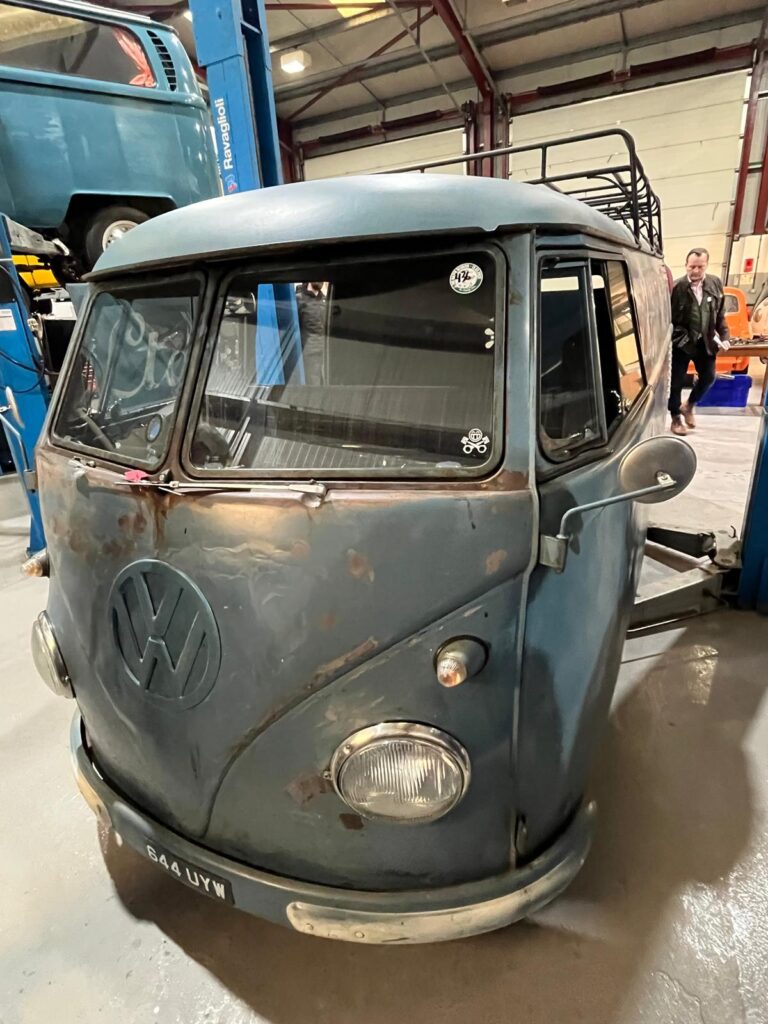
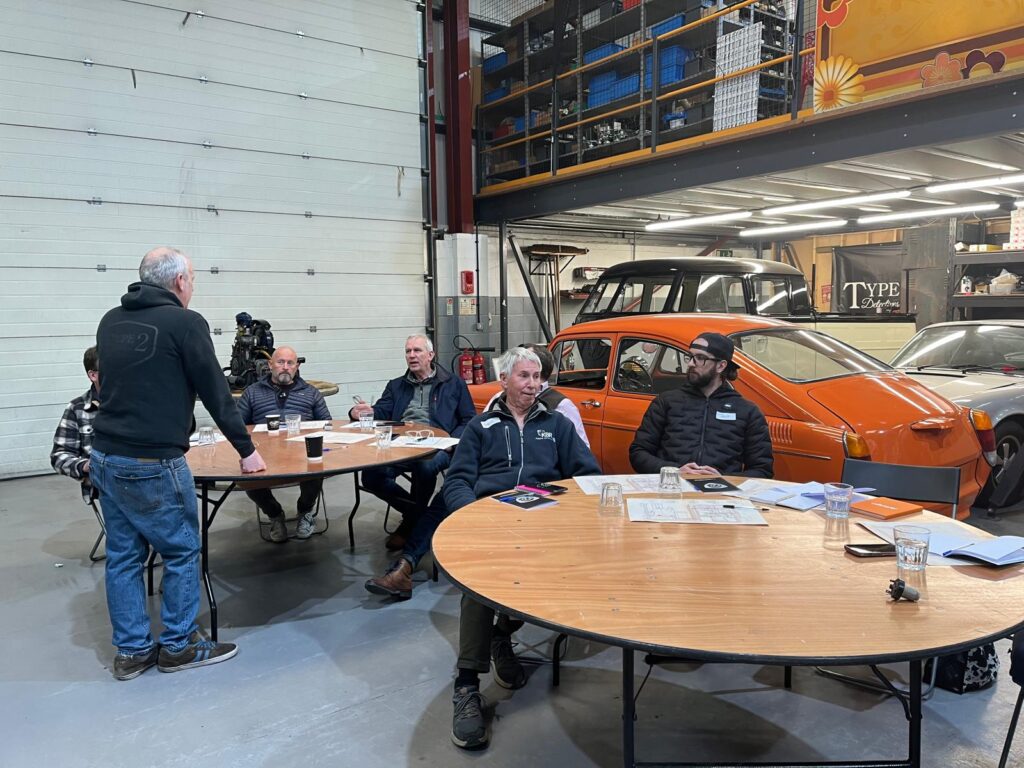
What can I say… this was excellent. If you are not technical minded (I am not and although my fiancée is, I was starting to find that I wasn’t able to help on issues, but after today I can) and want to help on your camper, then do a day at Type 2 detectives.

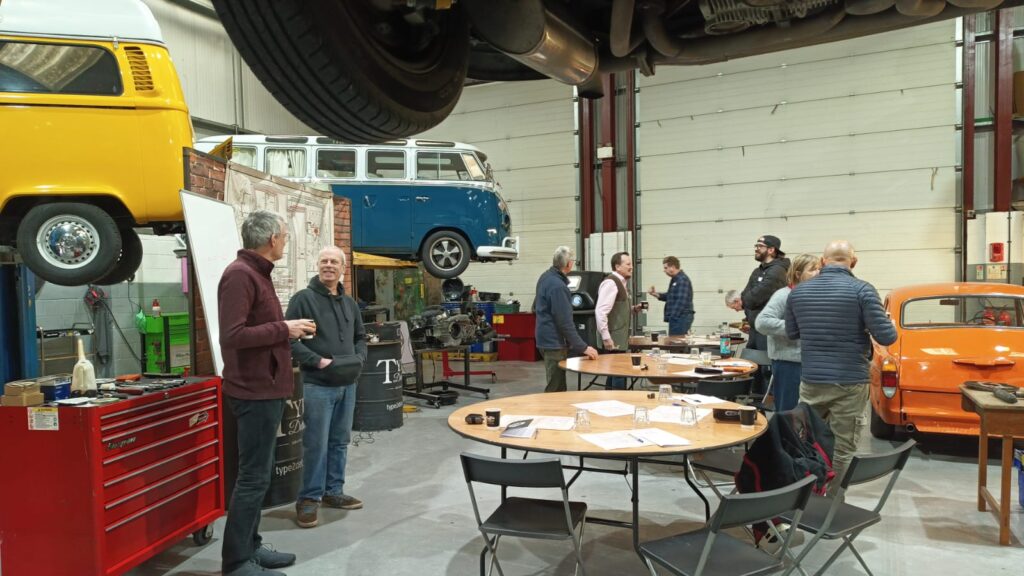
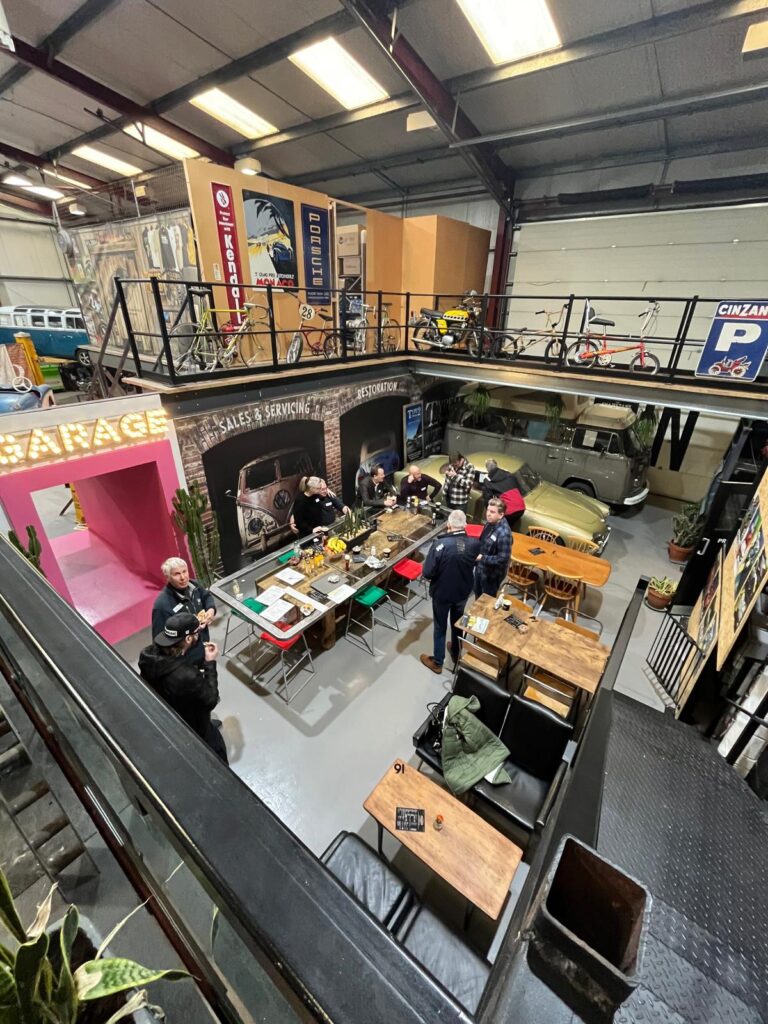
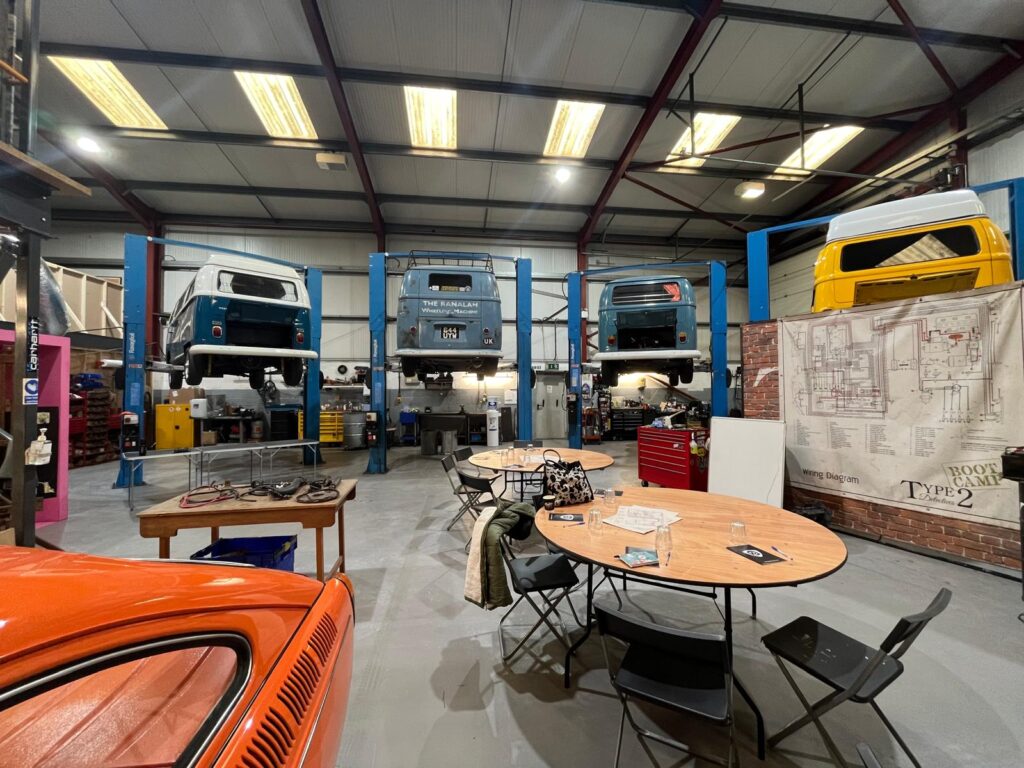
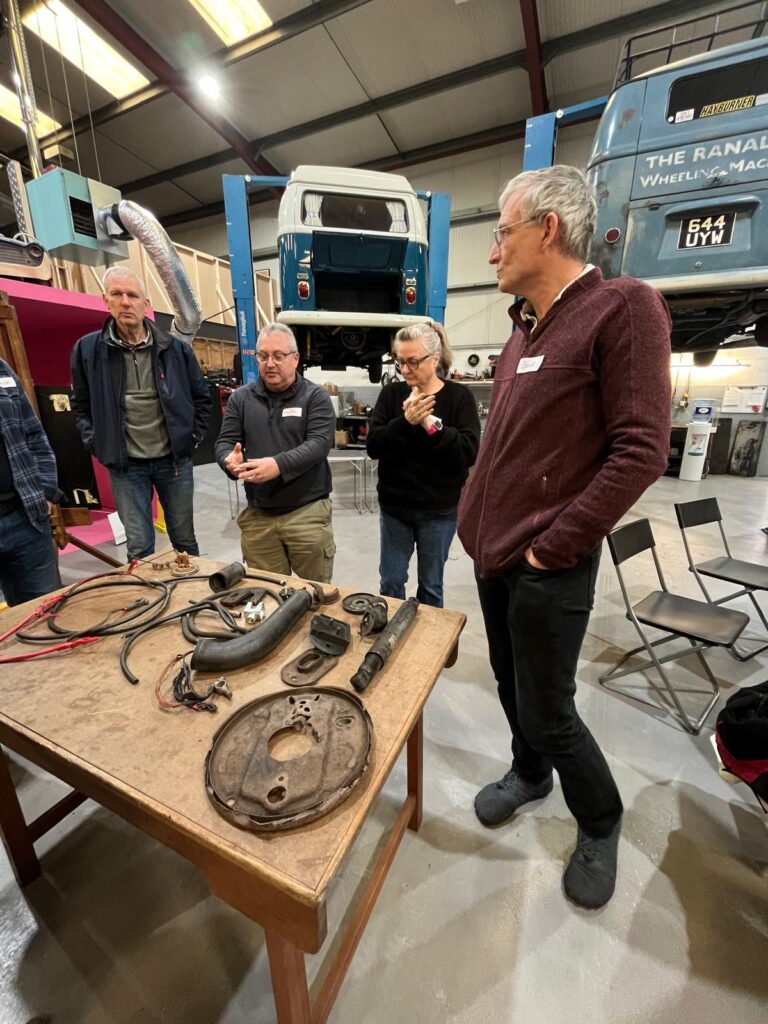
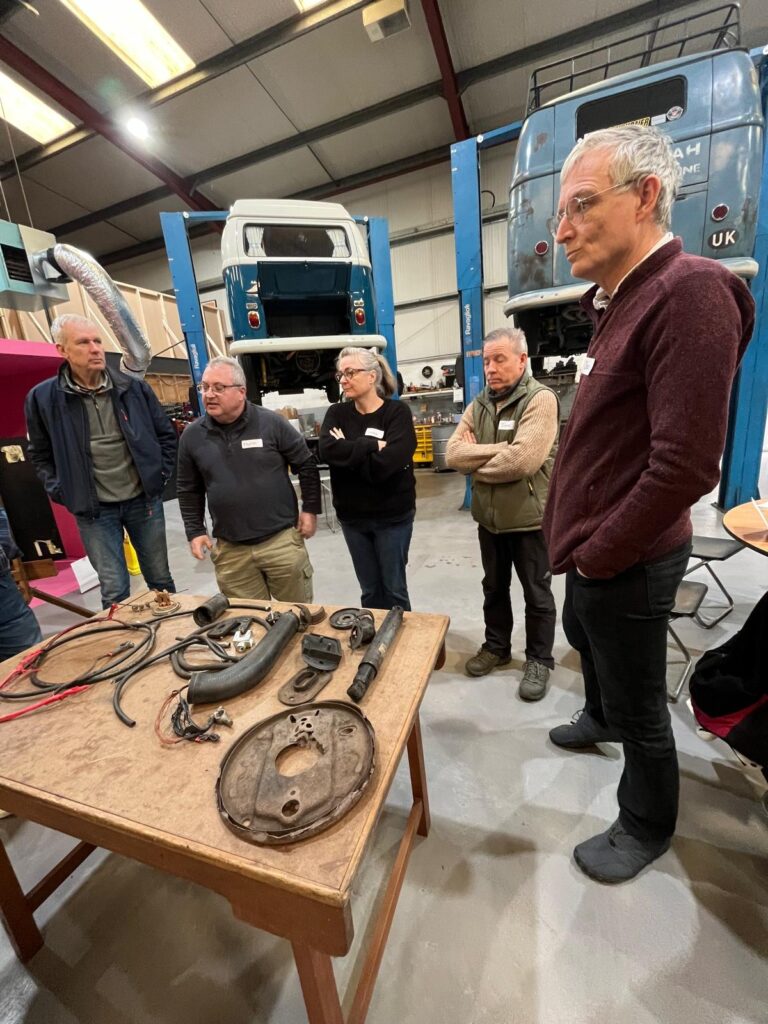
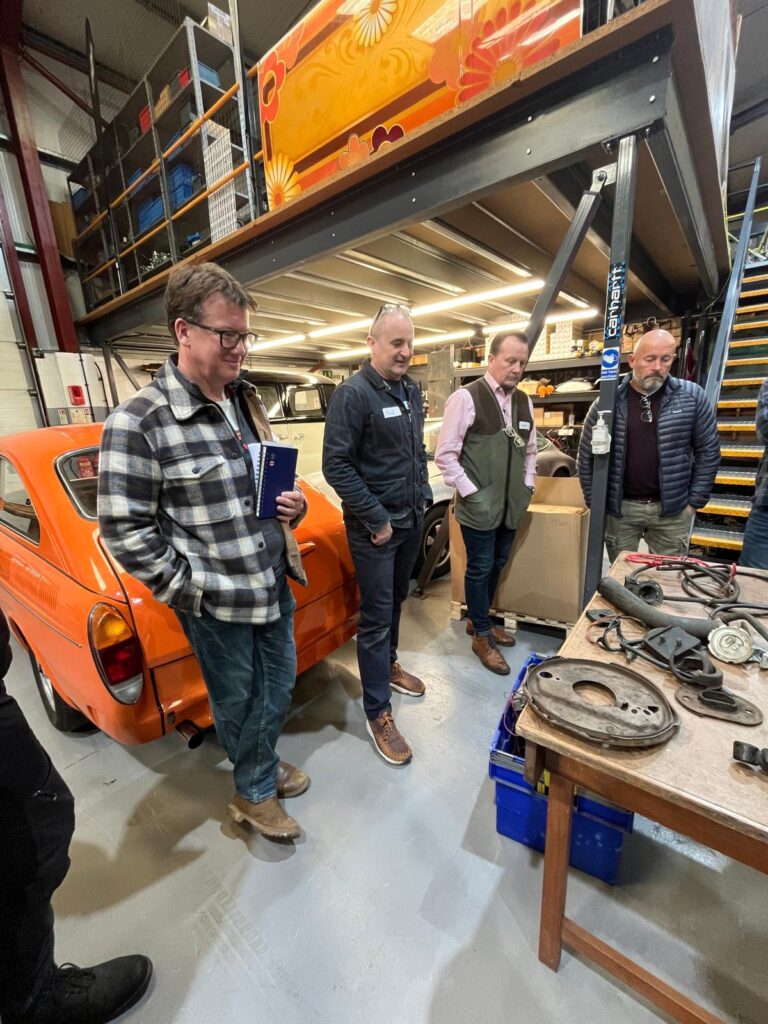
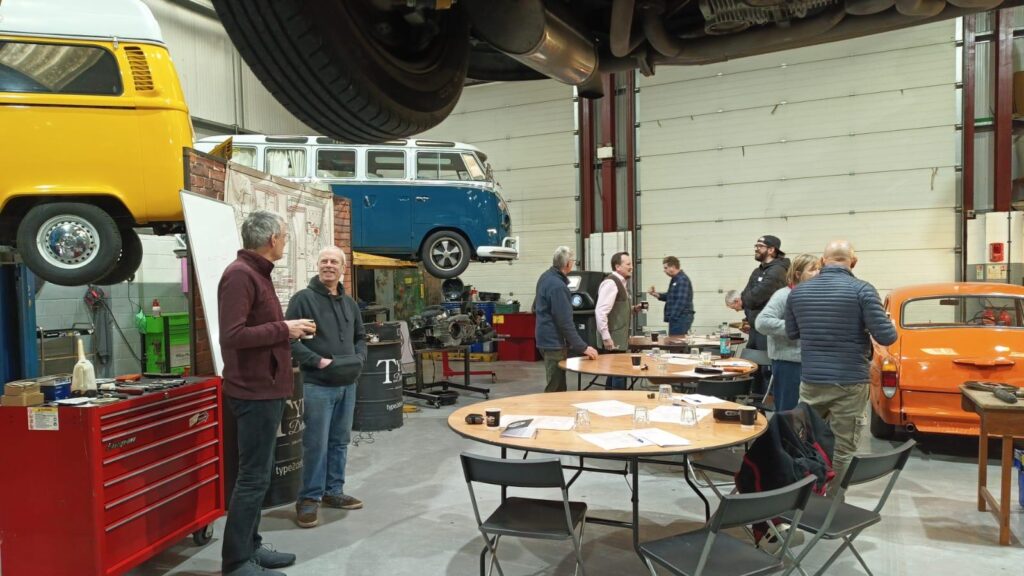
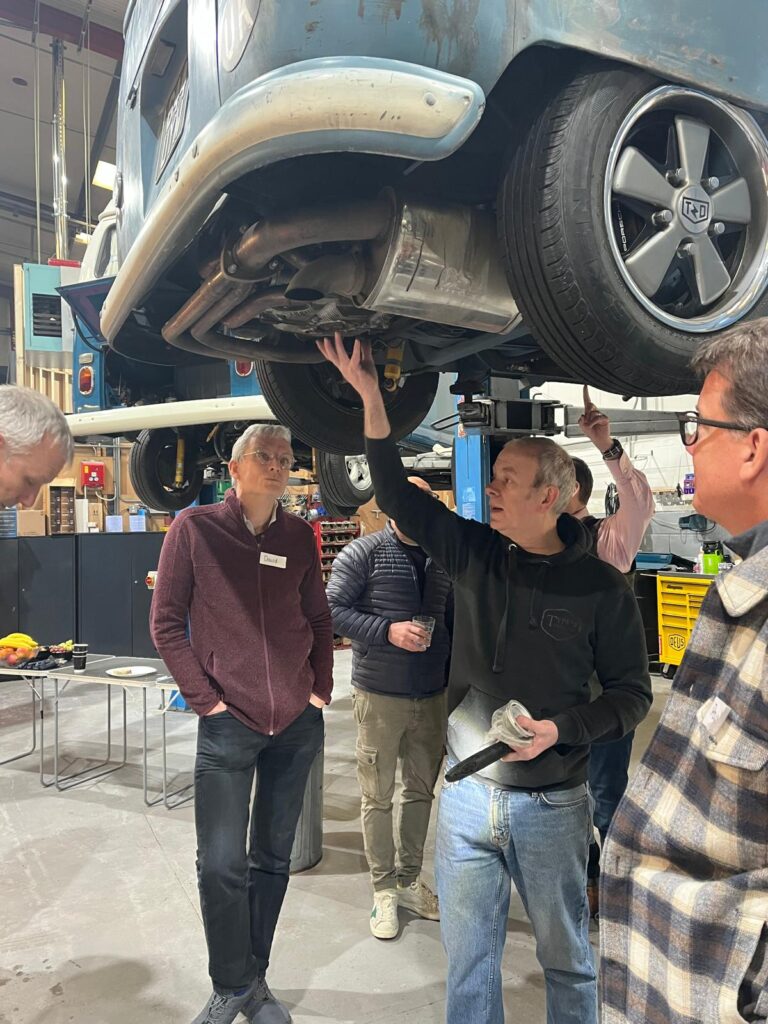
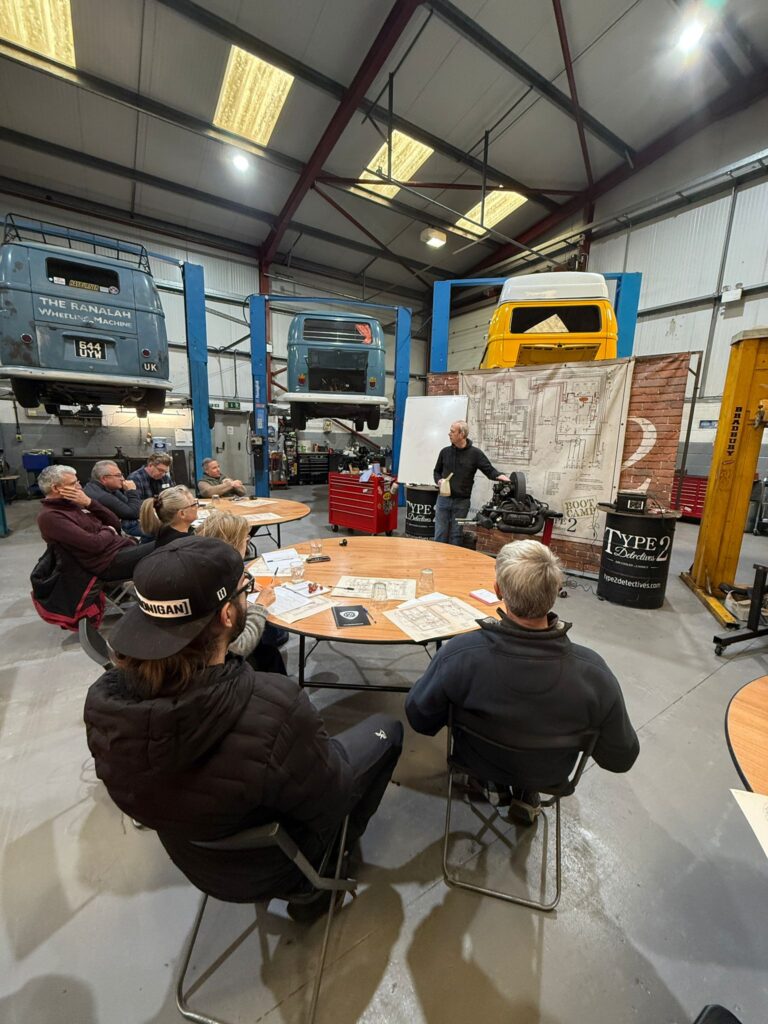
Andy and Paul were brilliant, very clear and great teachers, we were showed around the workshop and then explained what they do. They included everyone and made everyone feel able to fix or service their vehicle. 

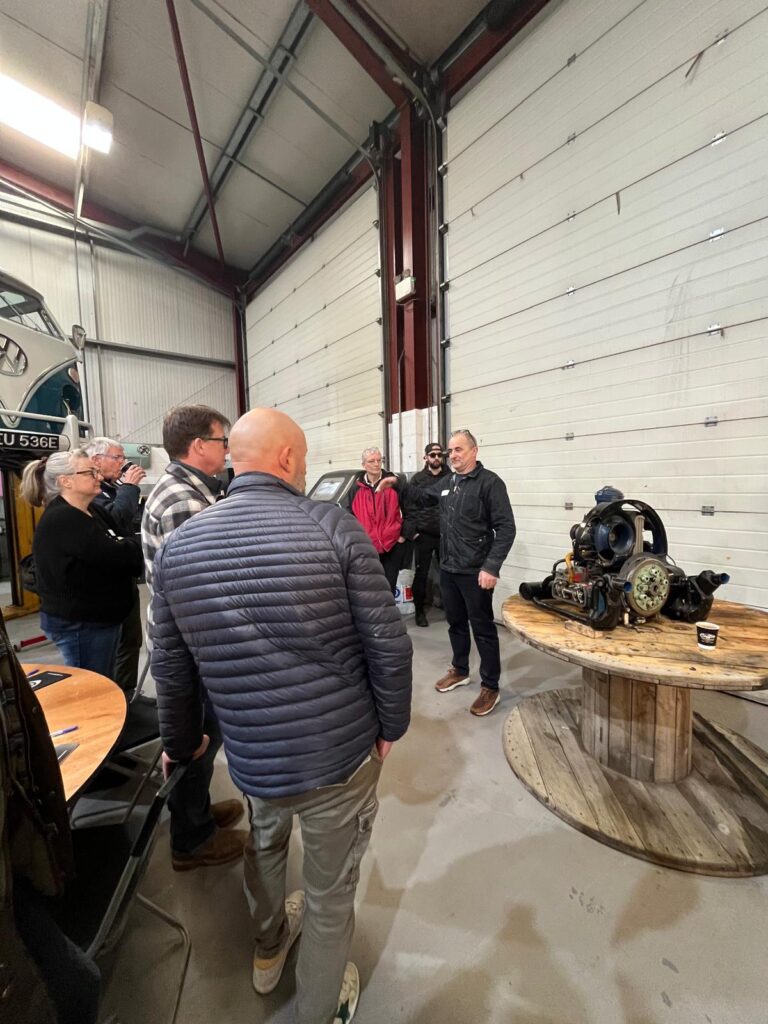
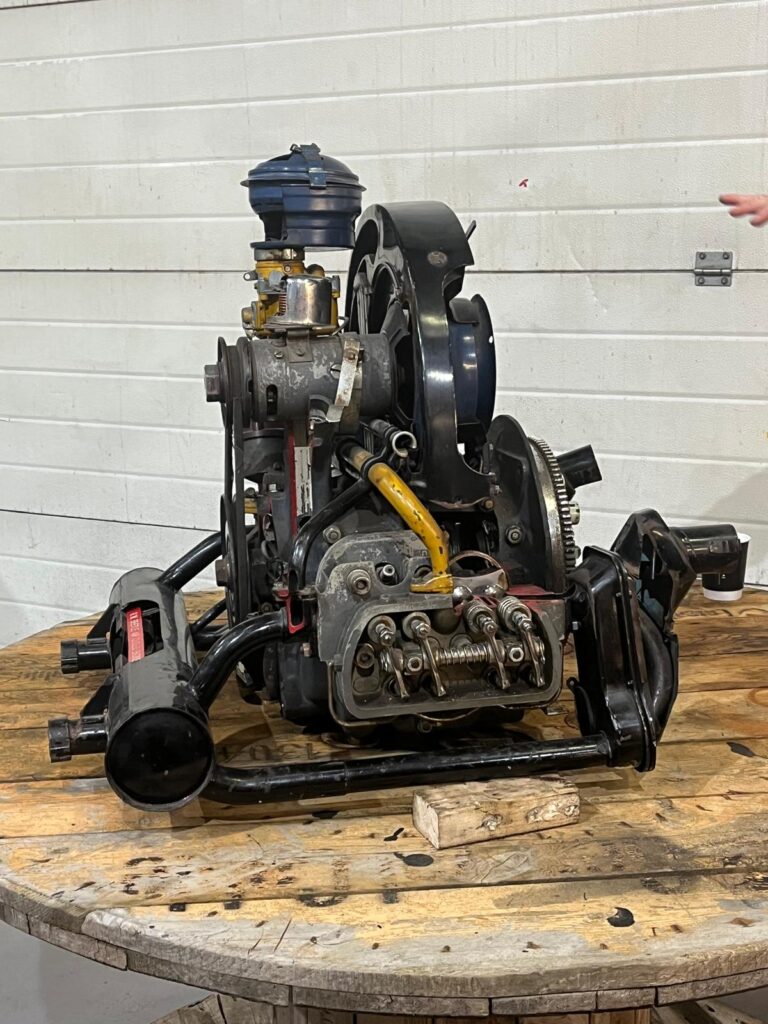
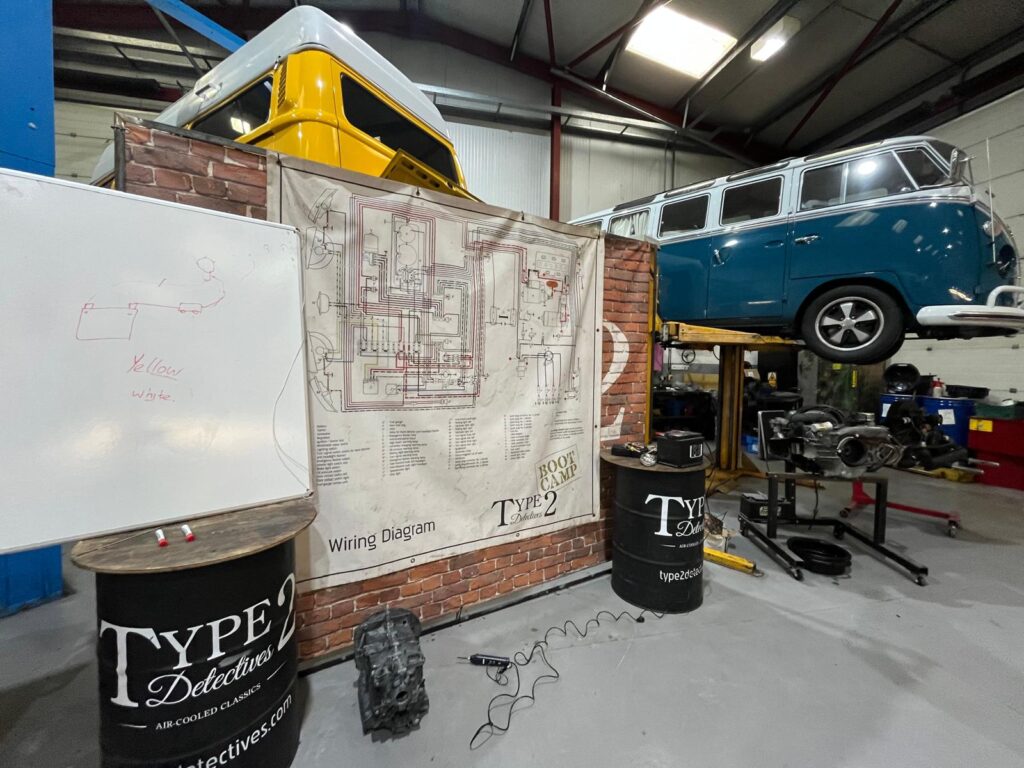
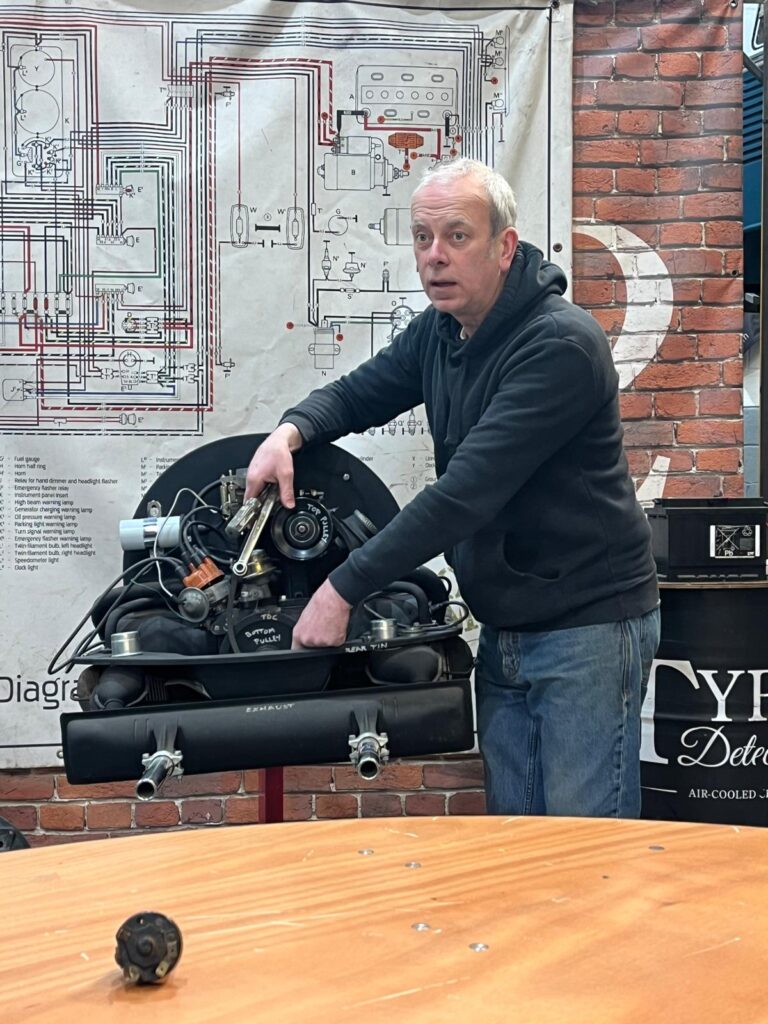
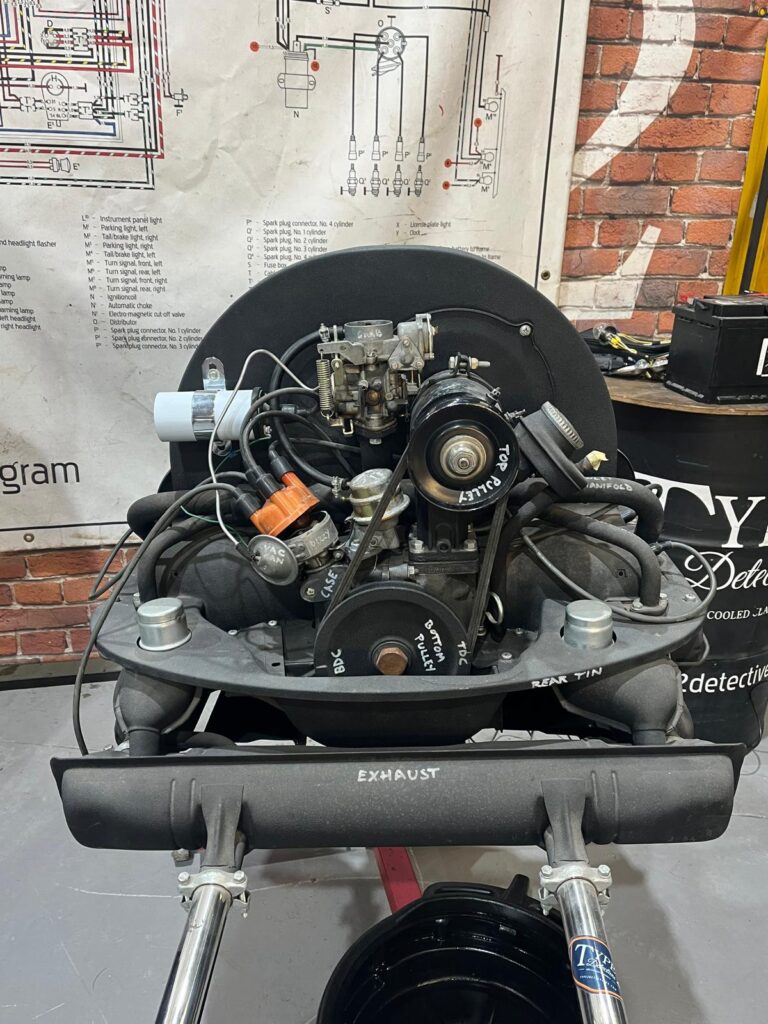
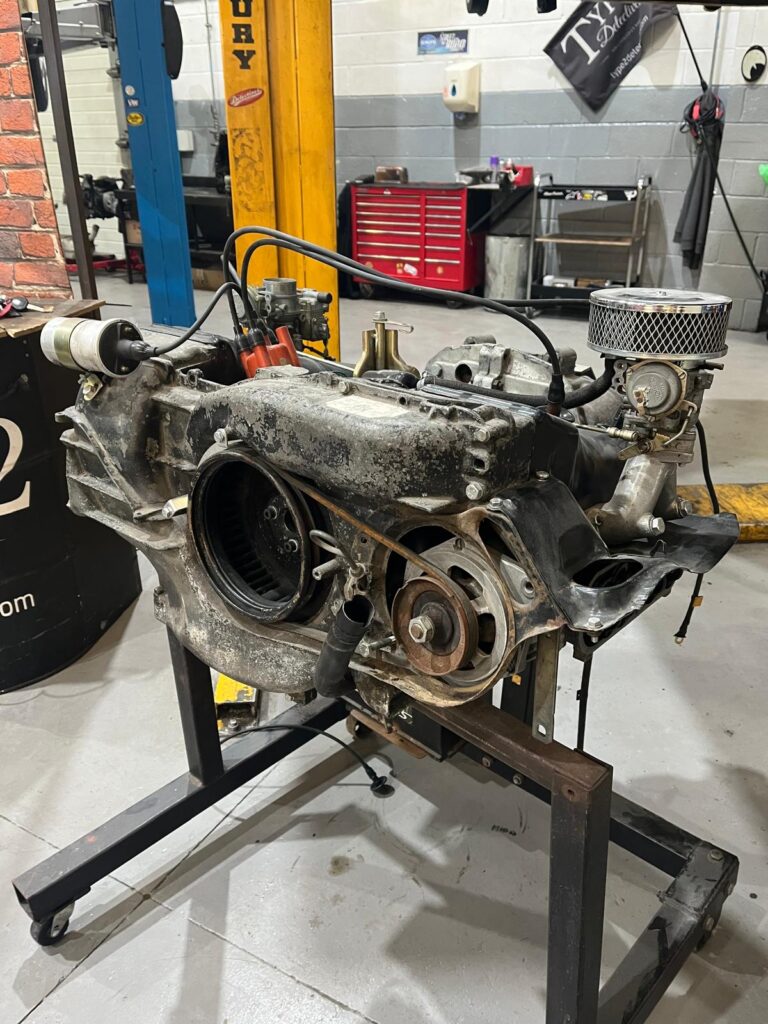
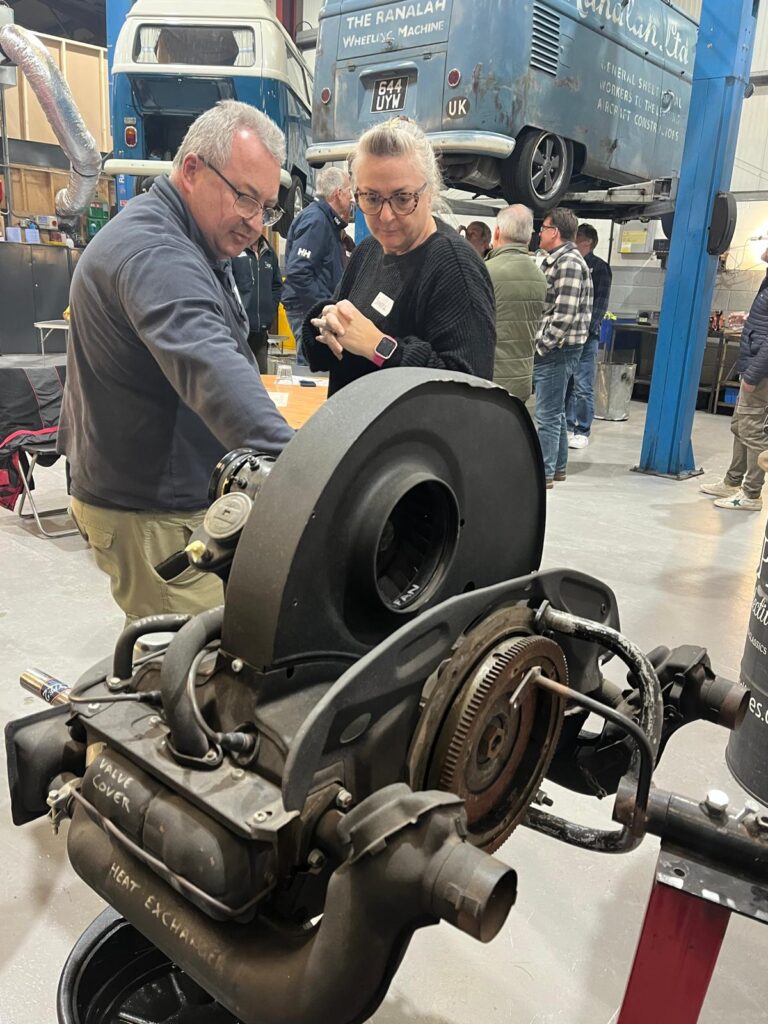
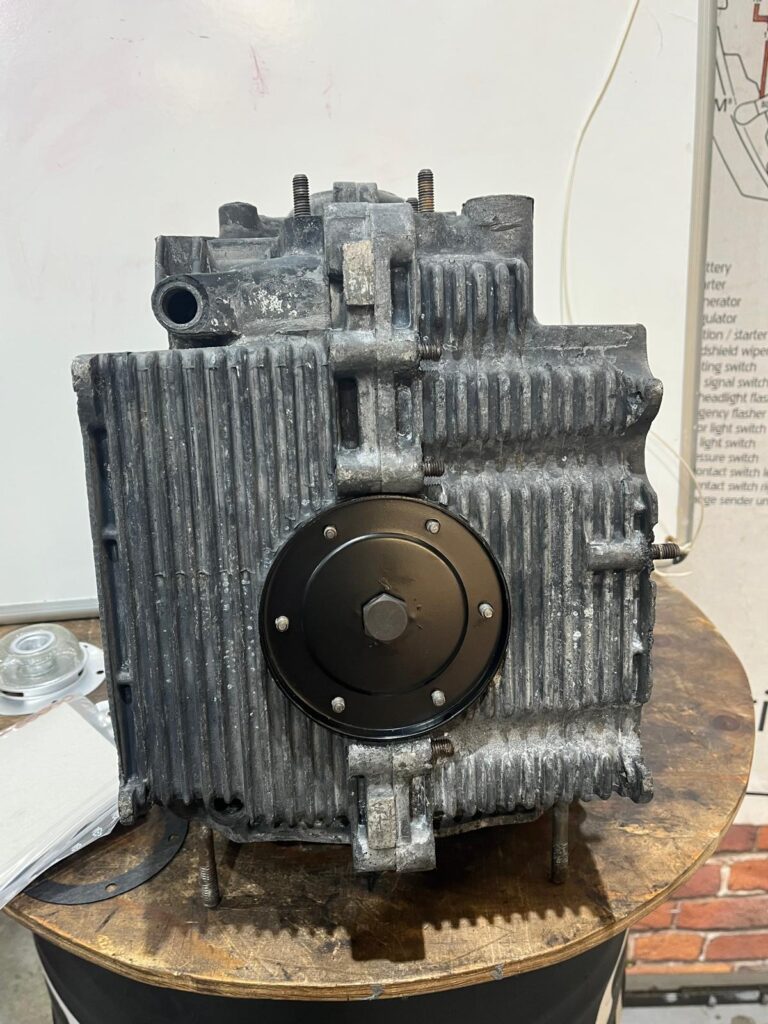
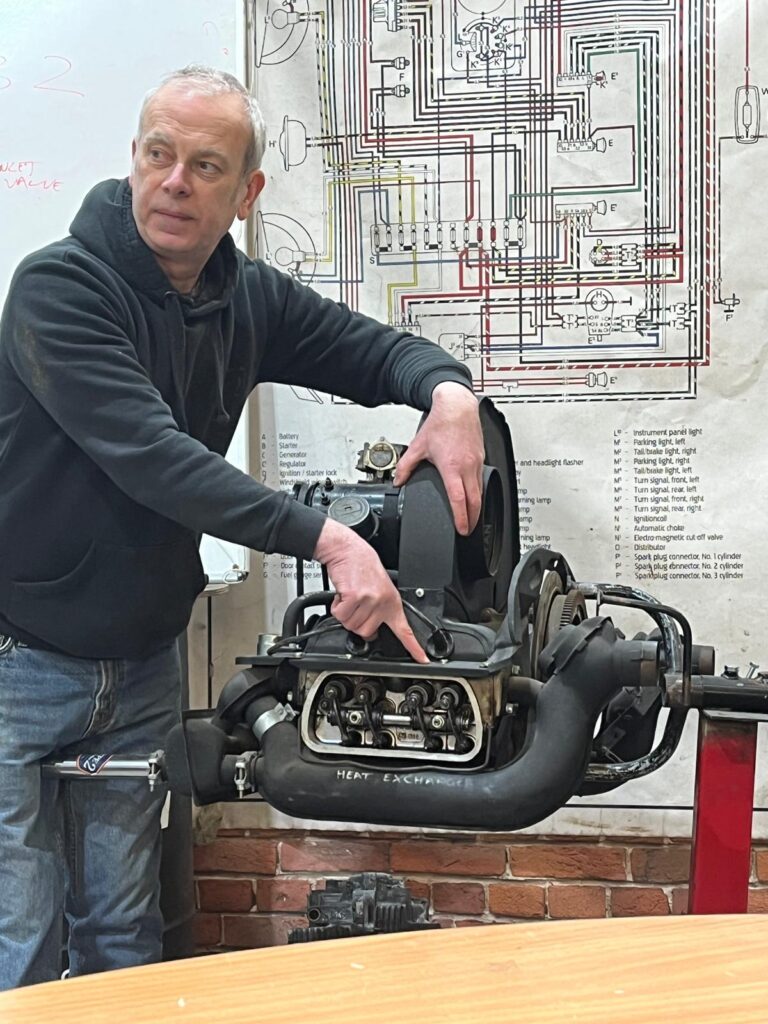
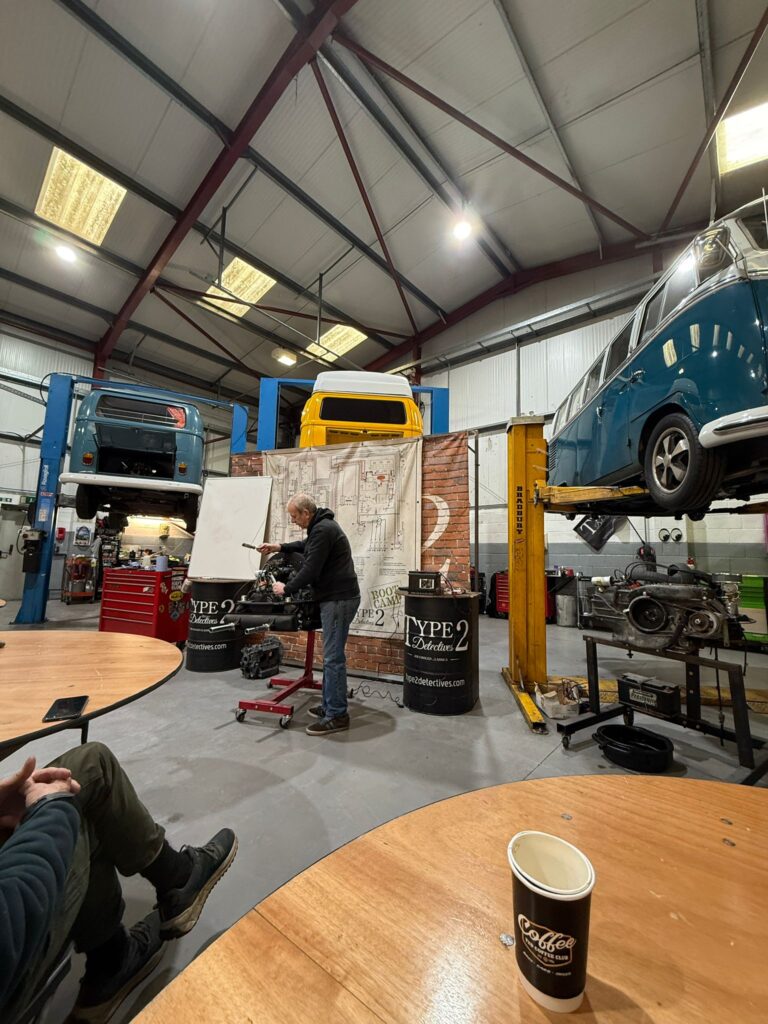
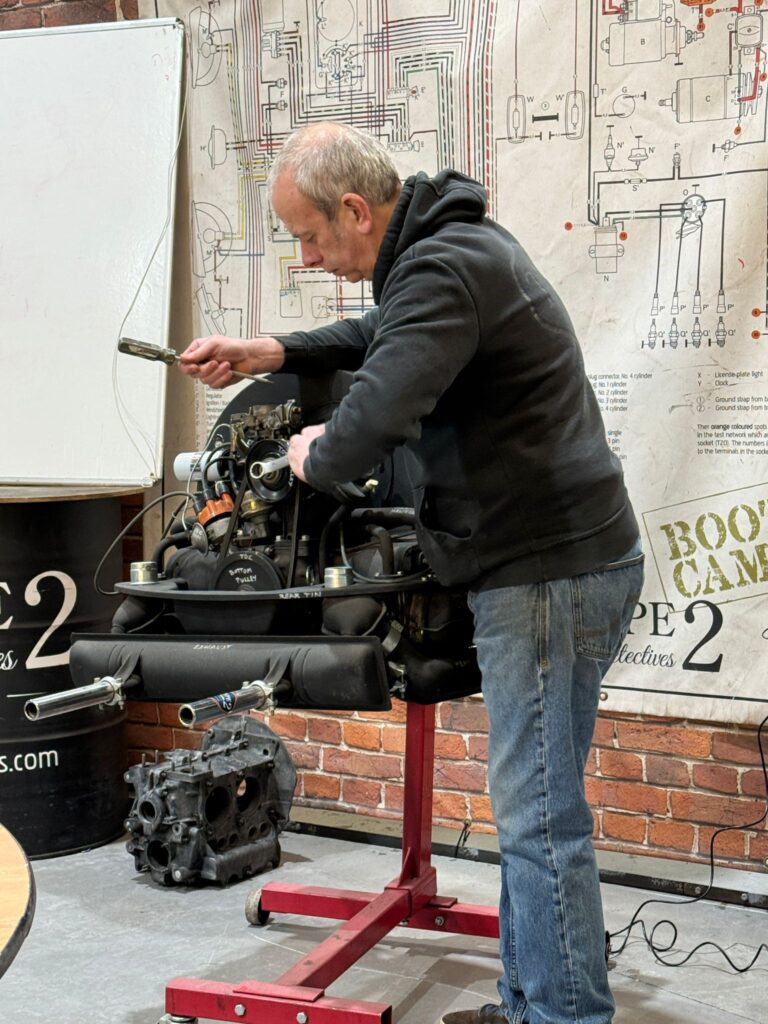
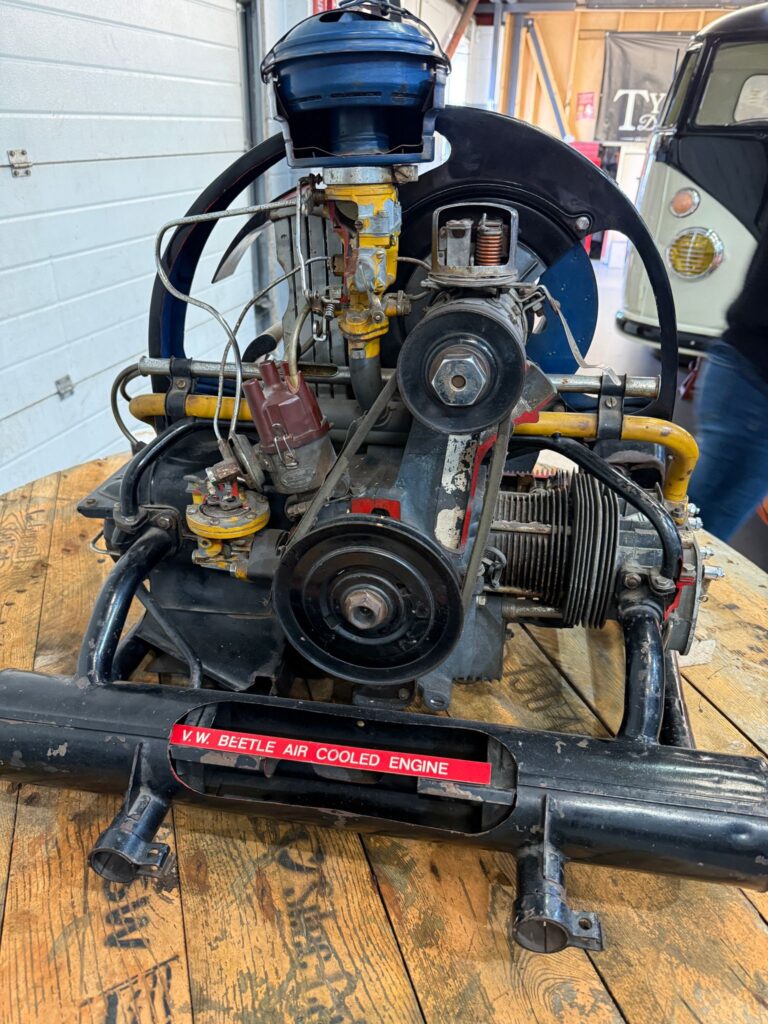
They showed us an engine with clear explanations of how it worked, and labels were on the different components, so we could understand things fully.  They explained a few stories about what could go wrong, and how they fixed them.  They also showed that the scary wiring system isn’t that complex once it had been explained and showed what to do in situations that may occur. Also, you could buy a wiring diagram (which is totally worth getting) (Editor notes that you can get these online and the Bay window 1972 to 1974 wiring diagram is on the club website in the “Technical articles” section because I had it for Eric!). They included everyone and made everyone feel able to fix or service your vehicle. 

We were shown:

  • How to change a fan belt
  • How to change the oil
  • How to set the gap on the valves 
  • How to set the gap on the distributor points and describe the firing order of the cylinders 

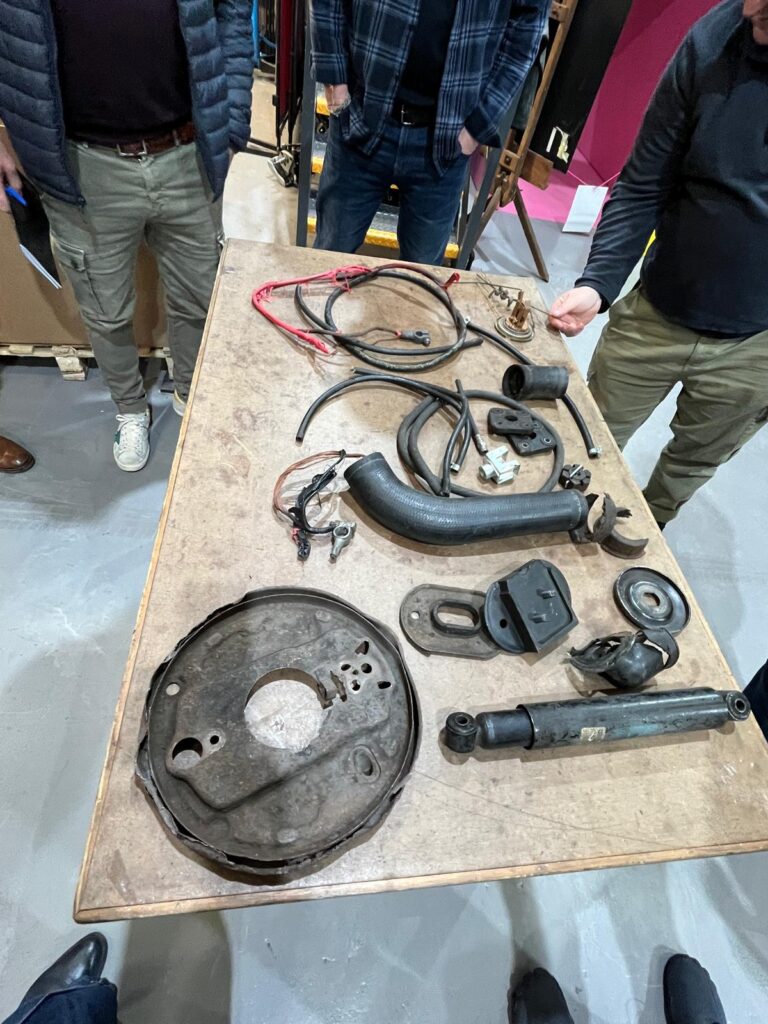
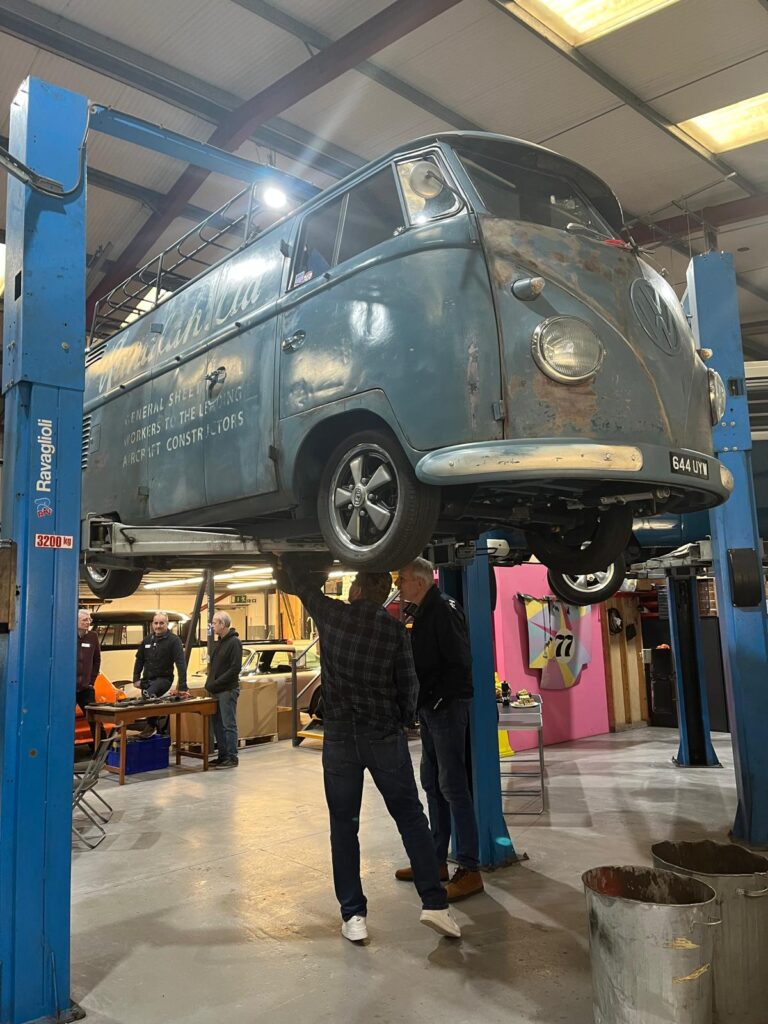
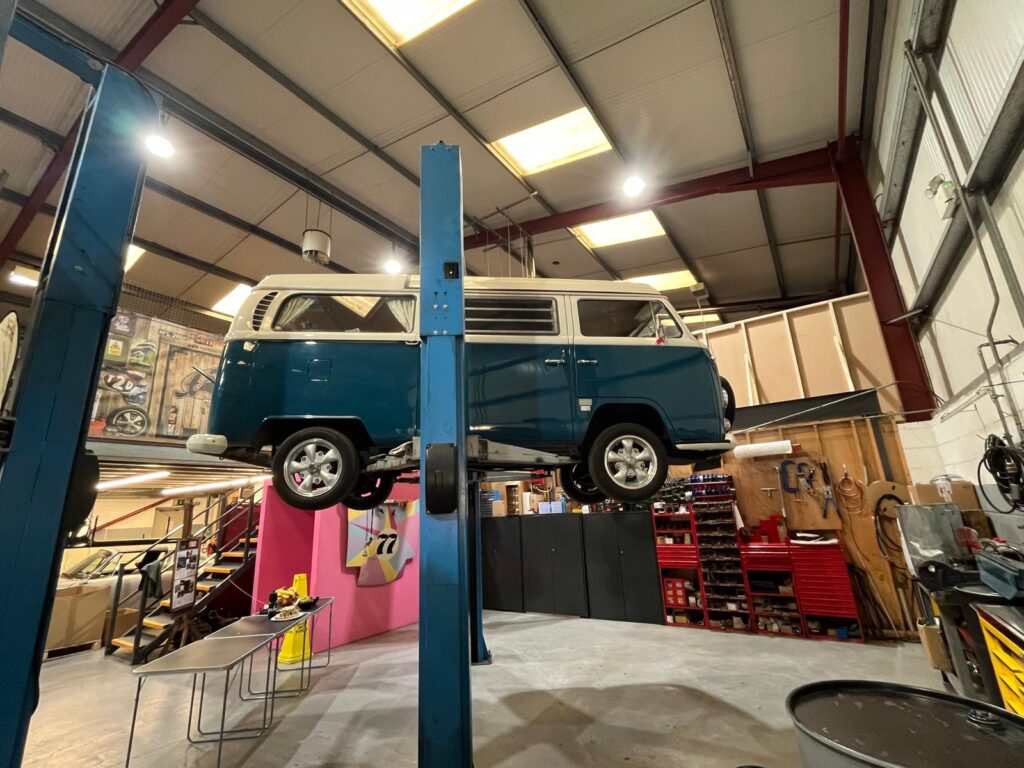
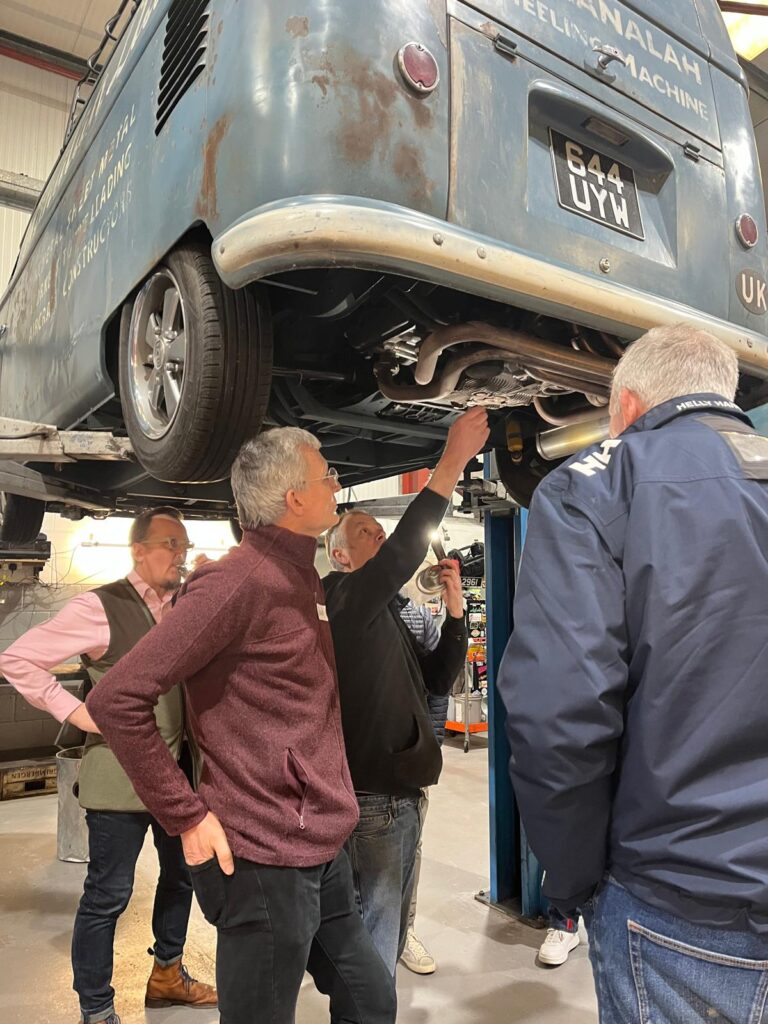
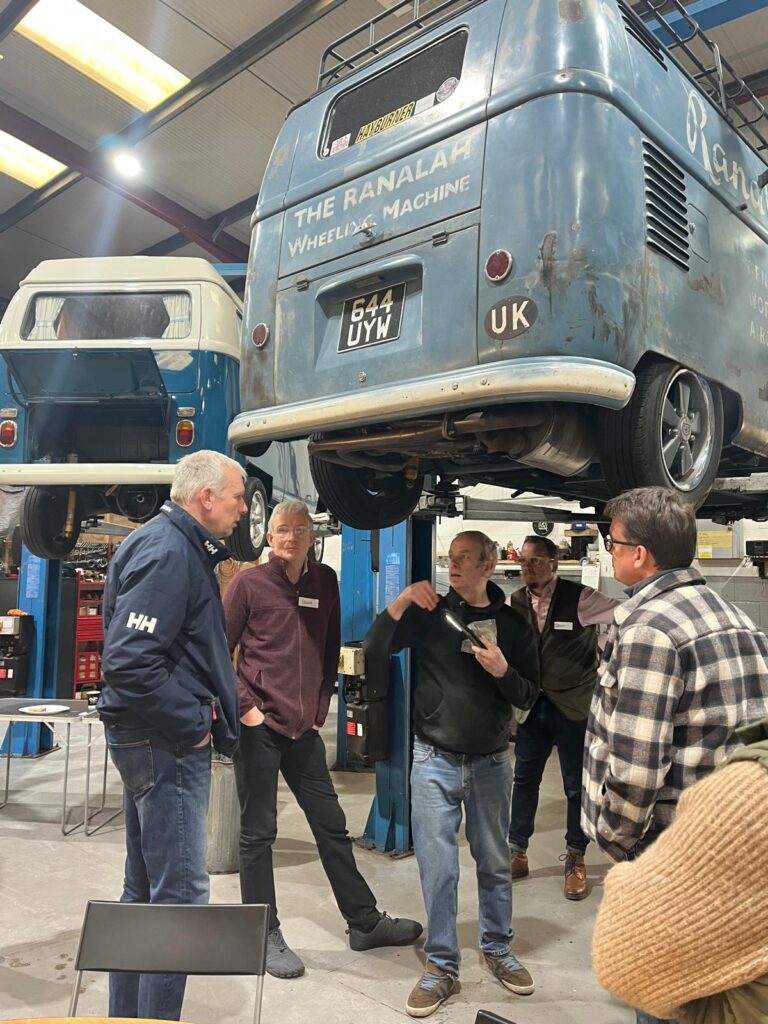
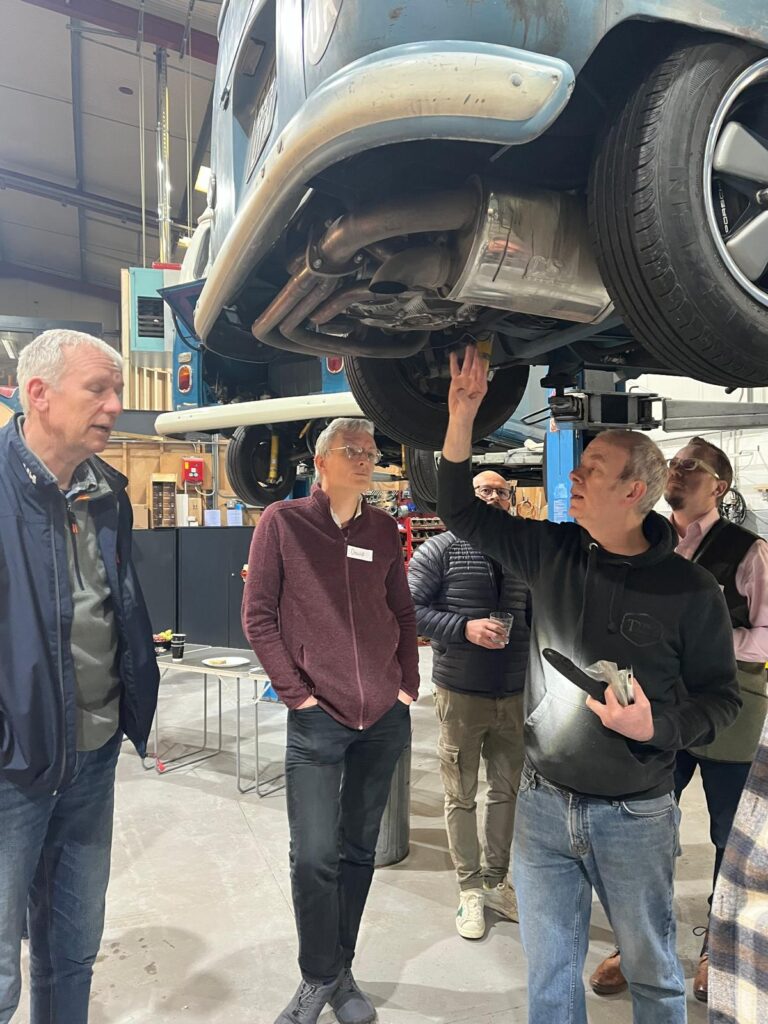
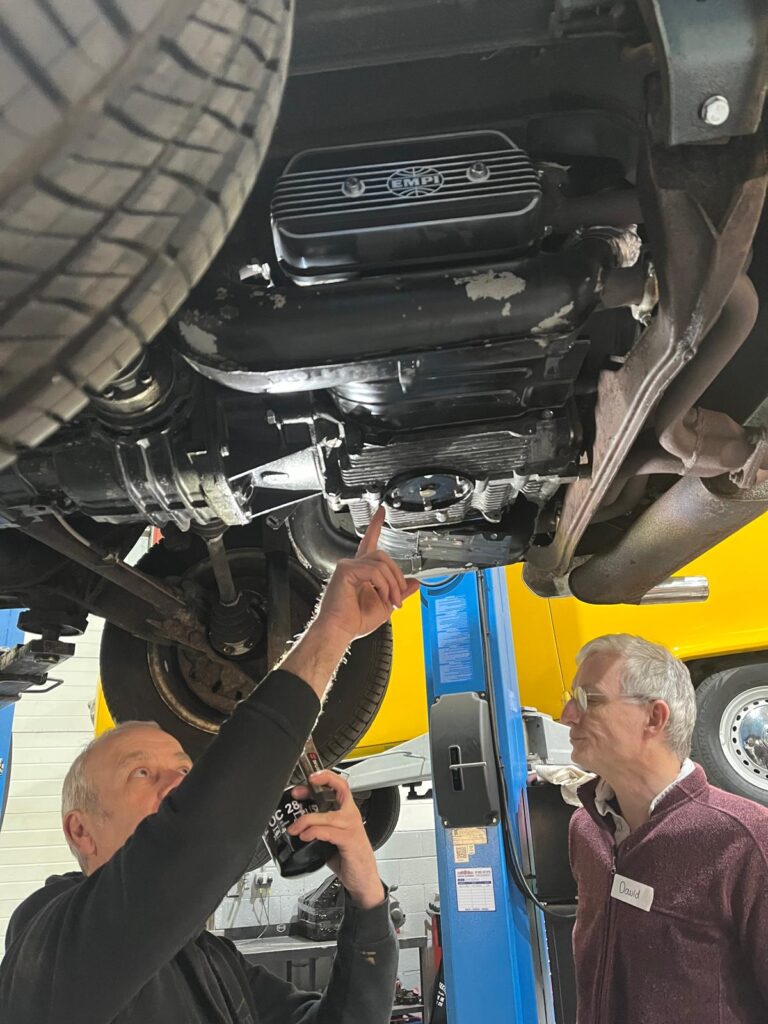
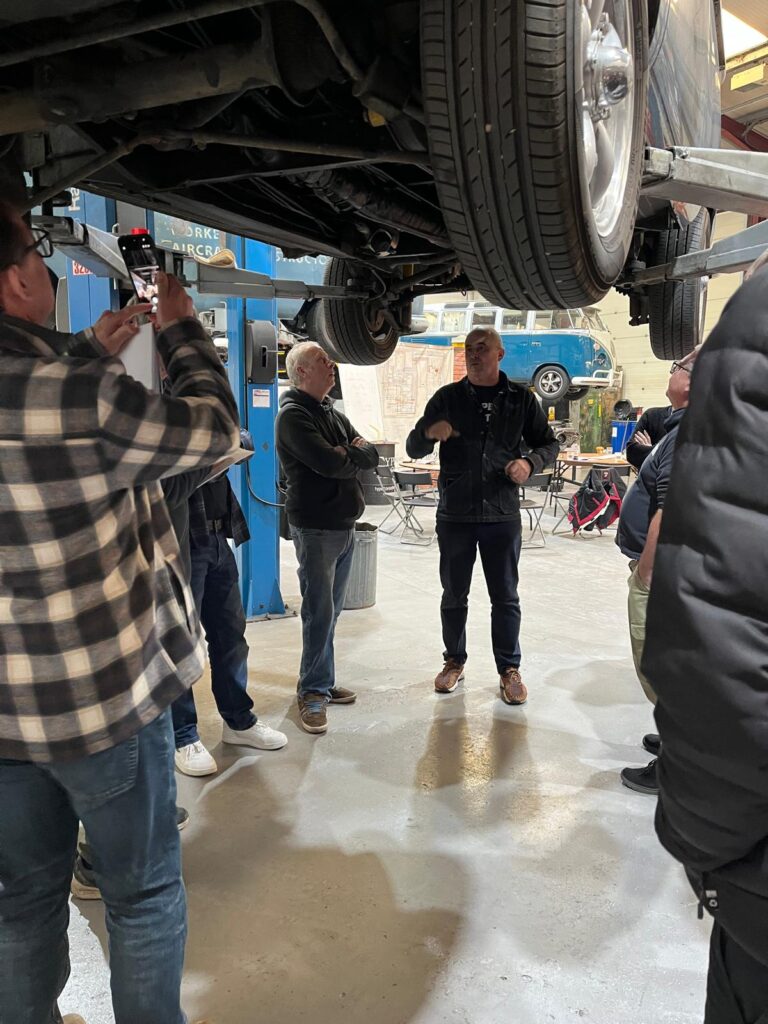
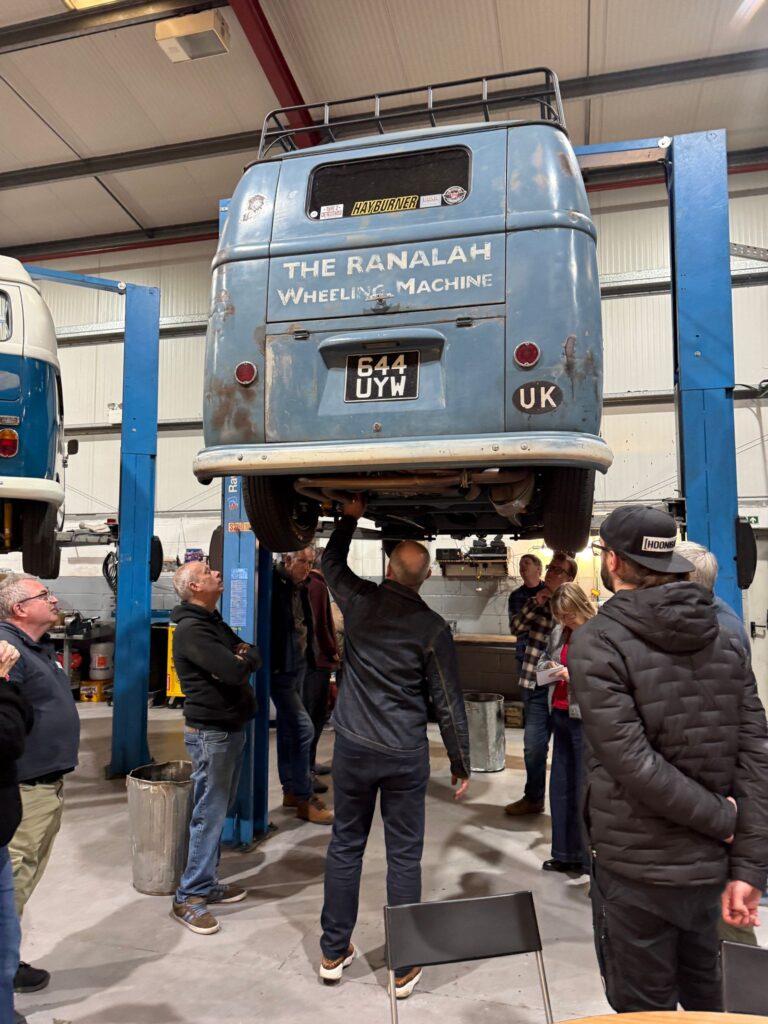
Andy and Paul walked us around the underneath of a variety of vans on ramps, then explained components, common faults and visual checks to keep our vans healthy.

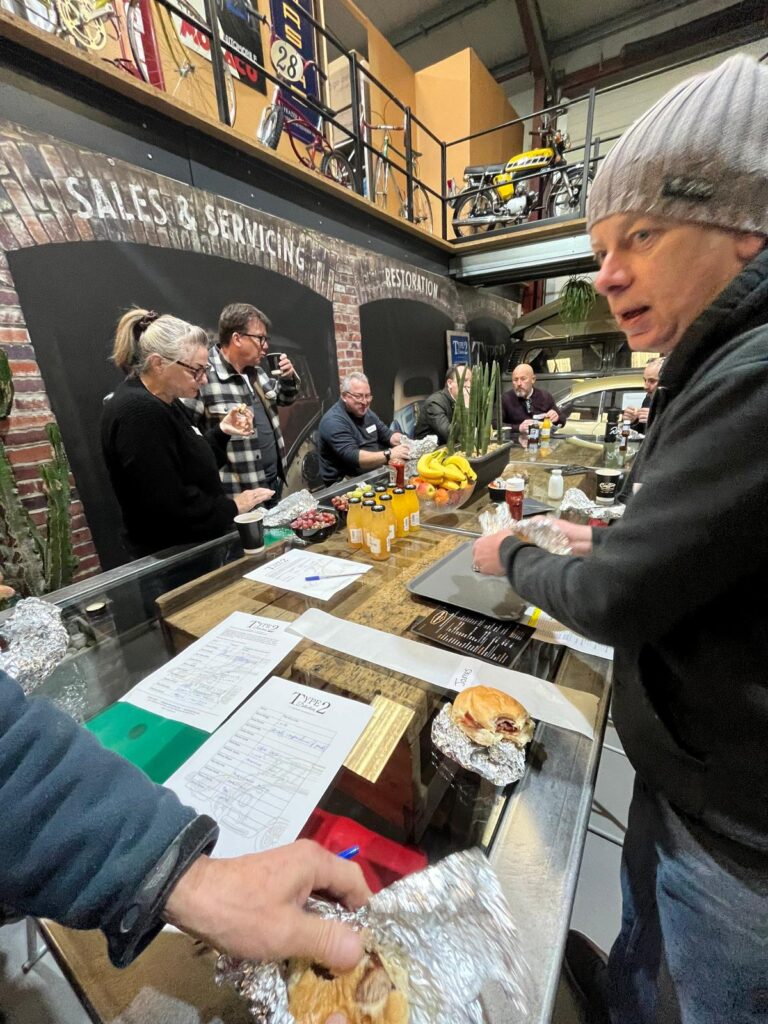
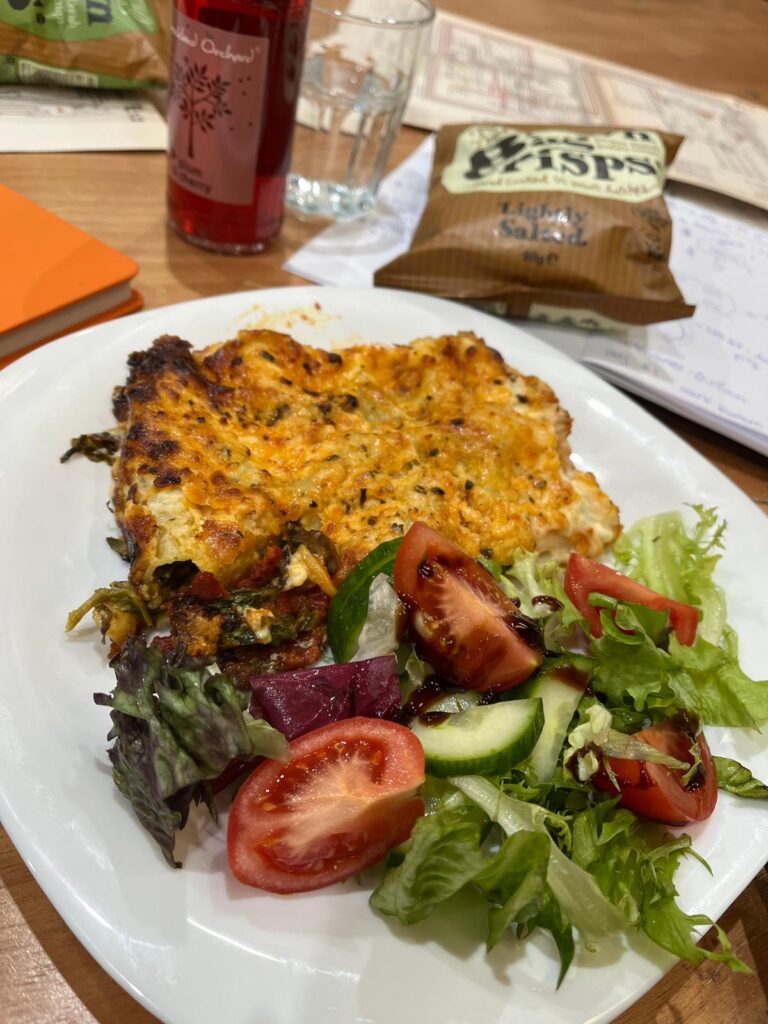
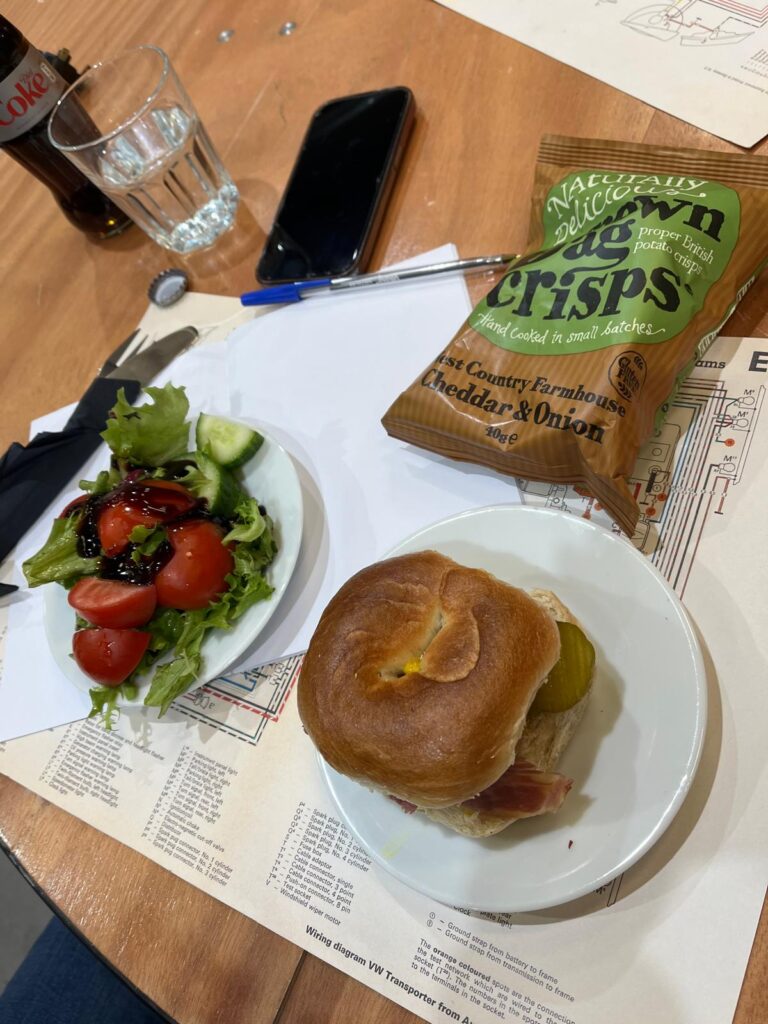
We were well feed and watered – seriously, the choice of food and variety of drinks was excellent. All staff were friendly and welcoming. We would pop in to say Hi, and have a drink if I was ever up this way … and you should too … totally worth a look.

I thoroughly enjoyed the entire day, I have come away with extra confidence of what to do if I was on my own in my Rusty Leigh and had issues or broke down. I also liked that we were told a few times throughout the day that we could just call them and they would talk us through any breakdown (which is so reassuring) also what essentials tools to keep in the van, that you might not think about.  (Editor notes that the Spare parts list is also on the web site in the “Technical articles” section)

Although we were told that Paul had a spare engine in his van when he was on his travels … smart man, we believe he didn’t need it lol!

At the end you were given a boot camp bible to take with you covering what you have been taught to you on the day and we were offered a comprehensive health check for our vehicle at a later date, convenient to both you and the workshop at an amazing cost.

I will pass on Type 2 detectives’ information to anyone who needs it, and when my stepdaughter is ready, we will be sending her to one of these workshops so she can get a better understand of our T2 camper.

Thanks again for an excellent and acknowledgeable day.

Upcoming Club Event – Stanford Hall Classic Volkswagen Show May 3rd 2026

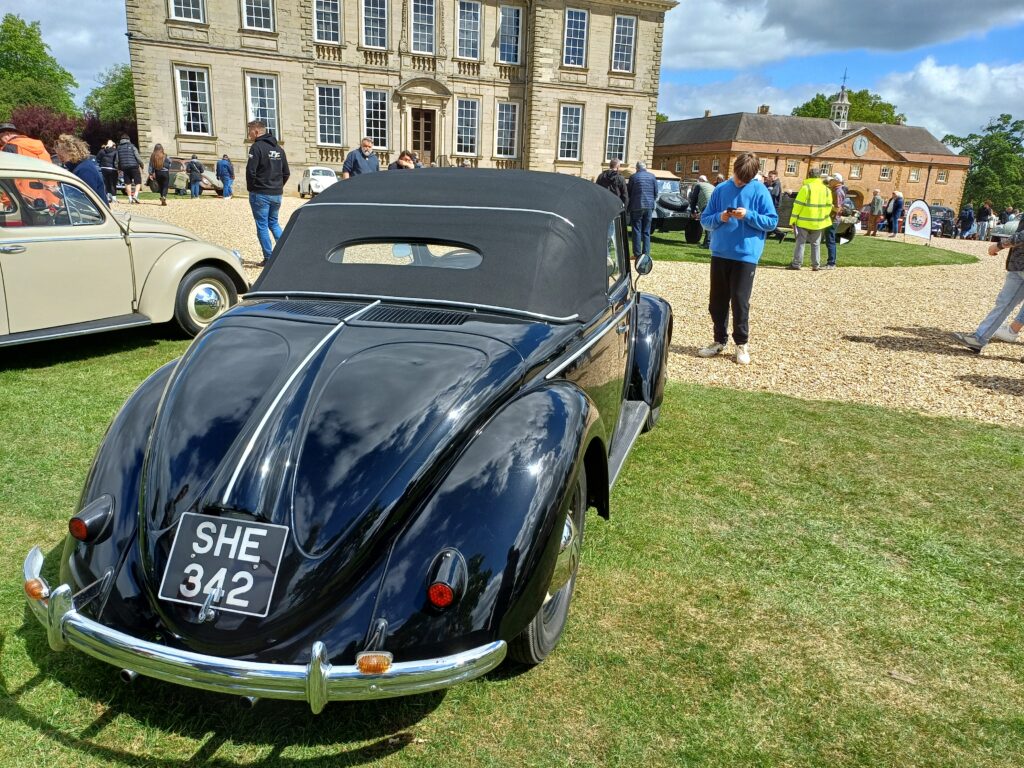
In my humble opinion one of the best shows of the calendar and my personal favourite. Organised by the wonderful Leicestershire & Warwickshire Volkswagen Owners Club the event hosts classic air and water cooled models side by side. This is a one day event Sunday only but camping is available on both Saturday and Sunday nights, details of booking can be found on their Web Site.

Eric the Viking – a restoration in many parts – December 2024

Spend since last report: £136. Total hours labour since last report: 54.6

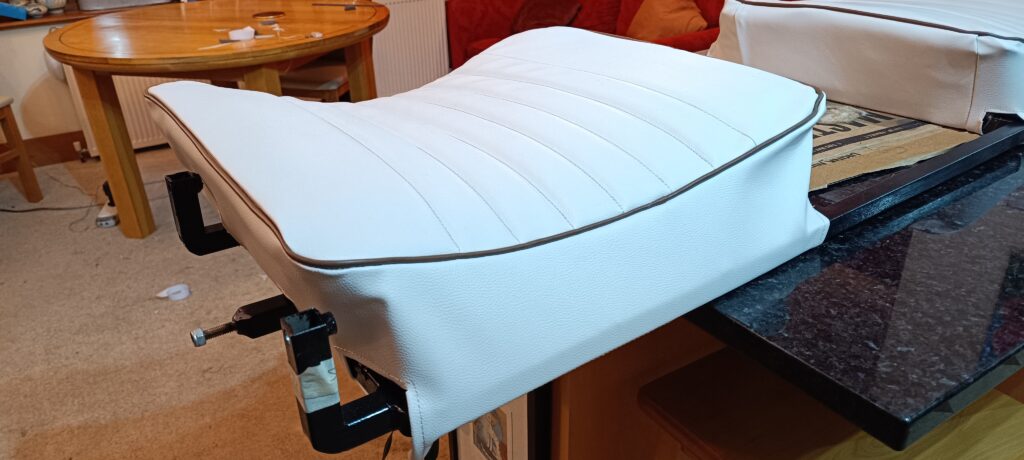
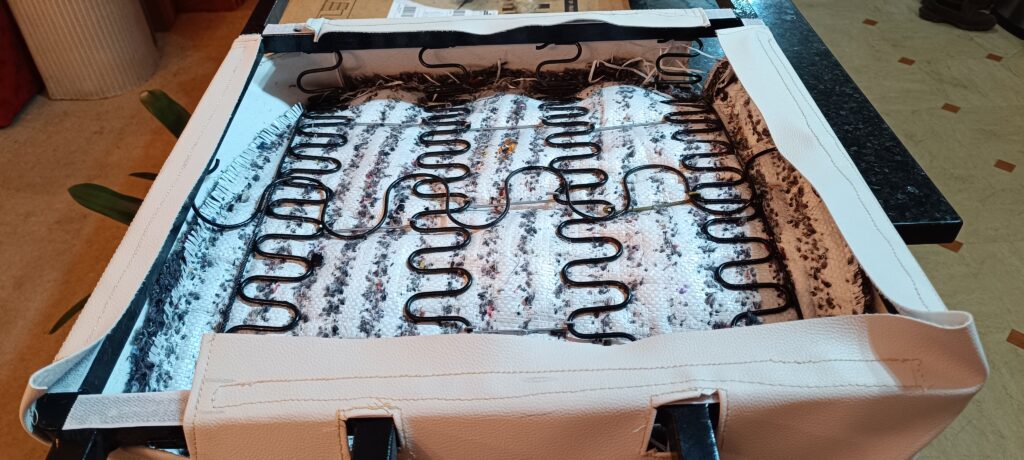
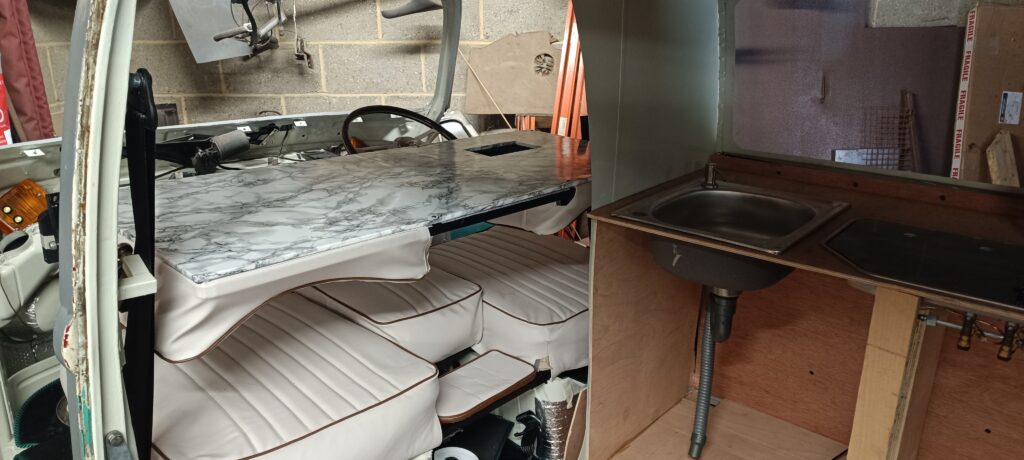
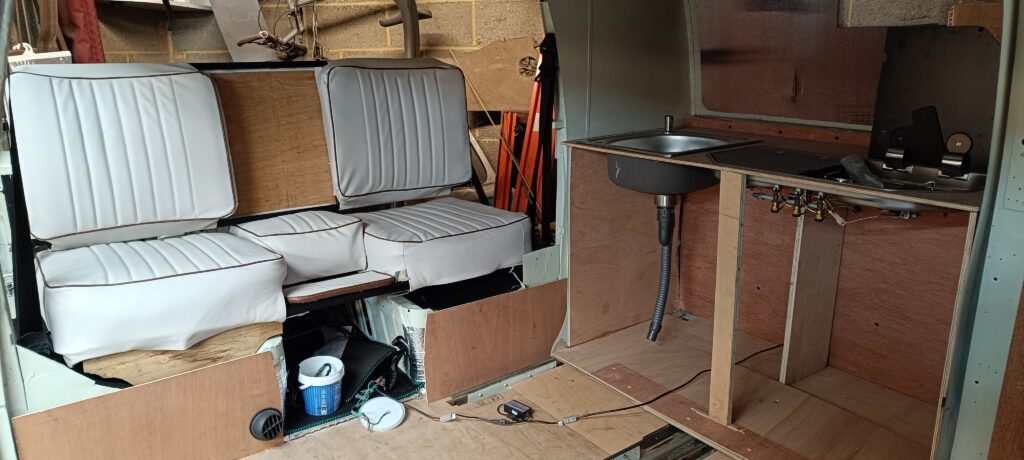
The last two months have been productive but mostly not in the garage. To “be nearby” as Lorna convalesces and frankly, to be warm, I have been busy wielding “Sally Sewing Machine”. The front seats that were originally in Eric are now in Poppy as we decide how to upholster them now that they have got rather old and soggy plus at least one piece needs welding. In their place in Eric, I made a frame for two seats that I wrote about some time ago – they are the same size as original ones and use the same spring and serpentine arrangement but they are mounted on a 20mm box section steel frame to allow them to be inclined correctly when facing forwards or backwards. With some bent metal staples added between the serpentines for support, I brought the base frame indoors and started cutting the material for the base trim.

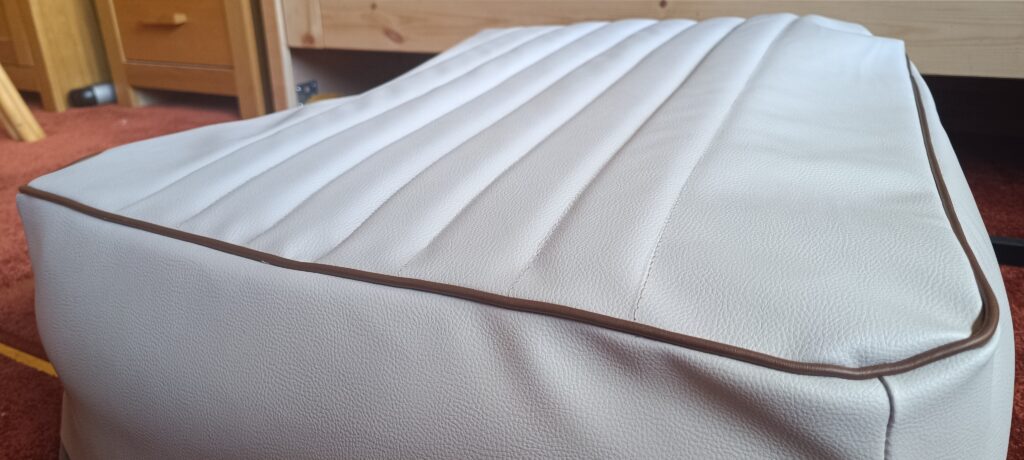
The first piece of material is the seat base top that you sit on, which I cut with a 10mm seam allowance and placed it on the metalwork – already it looked marvellous! Then I took the 10mm scrim foam and cut a piece to match. The new Somabond thread is high strength nylon and is 3,000 metres long – that’s towards two miles on the reel which is enormous. With a practice on a scrap, I found a way to get both material and foam under the presser foot of the sewing machine (it is a domestic one from Hobbycraft, not a professional one with a walking foot so it is a bit more tricky!) and get the pleat roughly straight. Then onto the real thing – a pencil line down the middle marked the first front to back pleat and 3 on each side of the middle at 5cm apart makes 7 pleats plus about 12cm of cheeks on either side. Pencil lines along all of them to guide things and I pushed the material through. The first one had around 1mm of movement along the straight line on a couple of the pleats but that was mainly to do with the domestic machine being asked to sew more material than it can comfortably eat.

The pencil lines can then come off and we have a rectangle of material with a foam backing and 7 pleats that look rather like the real thing. Quietly pleased with myself, although it took a while.

Then I took two full width pieces of the brown door card material (I did side to side and according to the Internet, piping should be cut from a diagonal but that is hugely wasteful), sewed them together into a 3-metre-long piece of 26mm wide and changing to my piping foot on the machine, I made brown piping.

Next up, I took a long rectangle of the cream material which will form the sides of the seat, long enough to go all the way around the seat base. The piping was sewn onto this rectangle of cream.

With my top and my sides made, I then ran a pencil line around the top where I wanted the piping, put on my big boy pants and set to work, the machine now sewing through the top, the side and both pieces of material that form the piping. Once the tension was adjusted high enough, the machine coped – the corners were a bit fiddly but went well. Eventually, I had a cover and once on the metalwork looked rather nice.

Under the cover, I added some man-made horsehair and it was very lumpy, even in a sewn bag that went under my evening sofa chair for a week. Layers of lambswool produce a much flatter, albeit slightly less soft, seat.

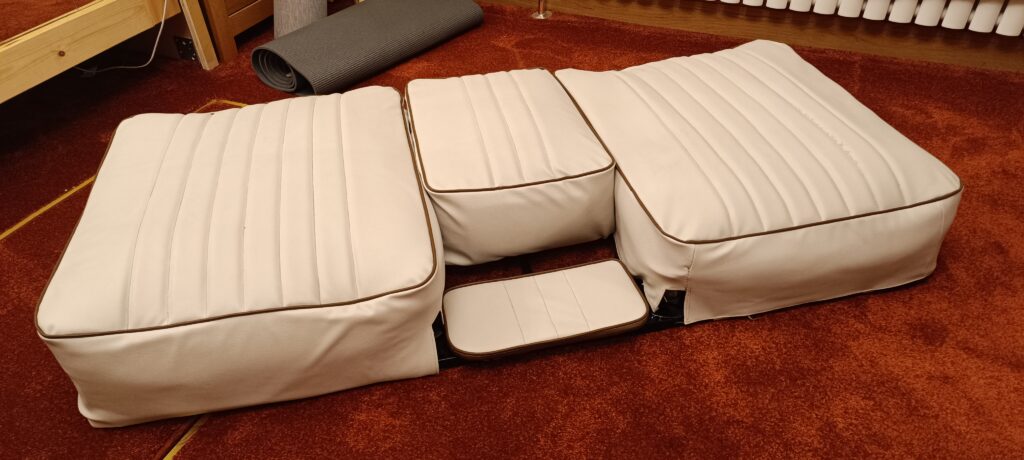
Rinse and repeat for the other front seat and already the pleats are coming out more defined and straighter as I get my eye in. Then a middle seat / arm rest / dog seat that is mounted on board and goes from the front to just in front of the arm rest so that the seatbelt buckle can emerge and a small upholstered flat piece for a drinks table when you are facing backwards.

Both seat bases received ears of fabric to allow a drawstring to be used underneath to pull everything tight, then on to the seat back!

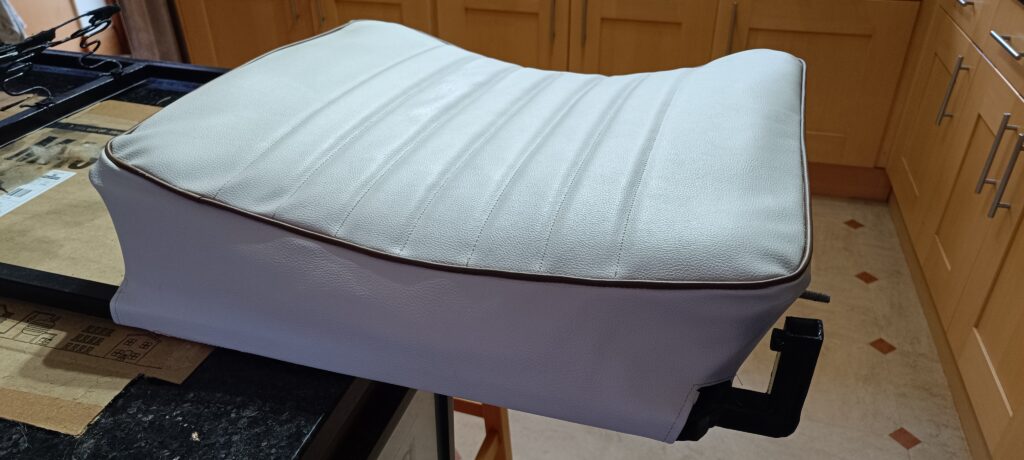
The seat back metalwork is more sculpted to curve around the back of the user, which presented the issue of how to get the material sewed correctly to avoid and bagging. The main piece was made as previously with the foam underneath. The rectangle for the side similarly and the piping similarly as well. The piping was sewn straight for the sides, and in a curve at the top and bottom to match the curve of the metal. Once that had been worked out, it was then a case of repeating the attachment of the bib to the side piping and sewing up the start of the side to the end of the side.

Each of the covers has to go around metal in places which needed careful cutting and seaming.

And then the padding can be smoothed out, Velcro added to the metal (self-adhesive) and to the seat cover (sewn on for strength) and get a final trim.

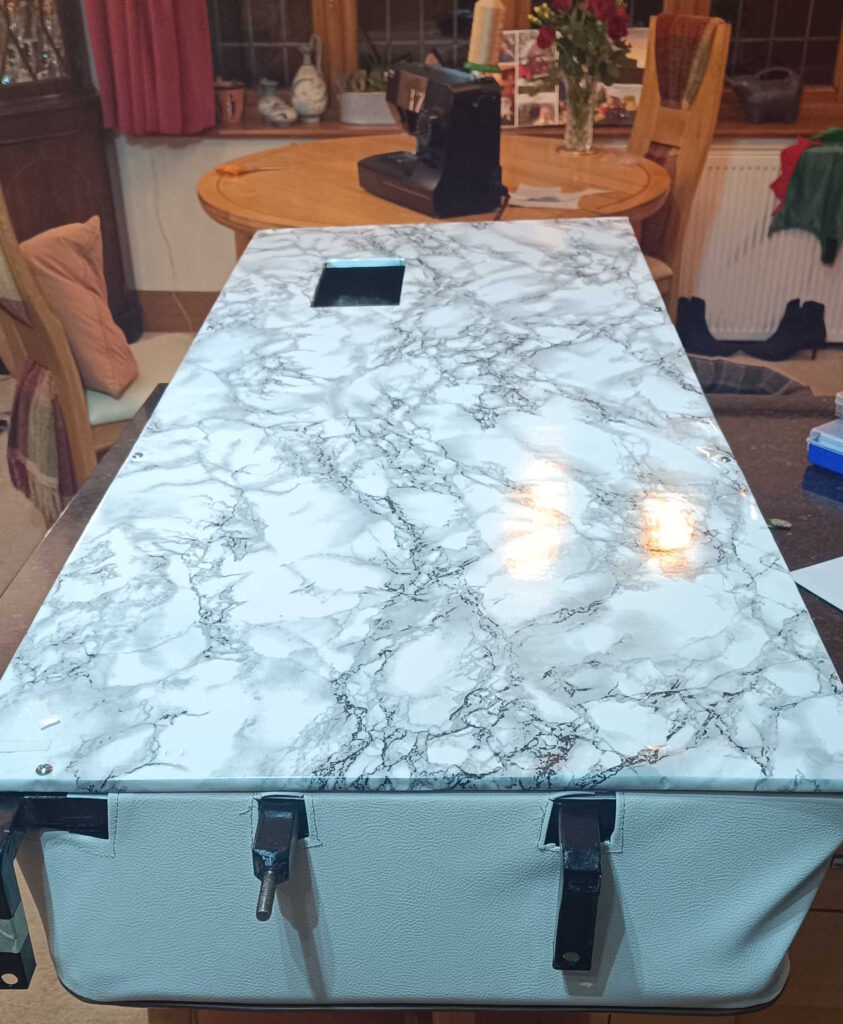
With the material complete, the seat back now needs the rear to be made pretty as you do not want to see the serpentines all the time. When not driving along and not sitting on the seat, I want the option to use it as a table – 3 jobs in 1! I removed the upholstery to keep it clean, cut a piece of 9mm exterior hardwood board and trimmed the edges to fit the metal of the seat back. With a suitable hole for the bottom of the steering wheel cut, I then came in and added some marble effect sticky back plastic and the back was finished.

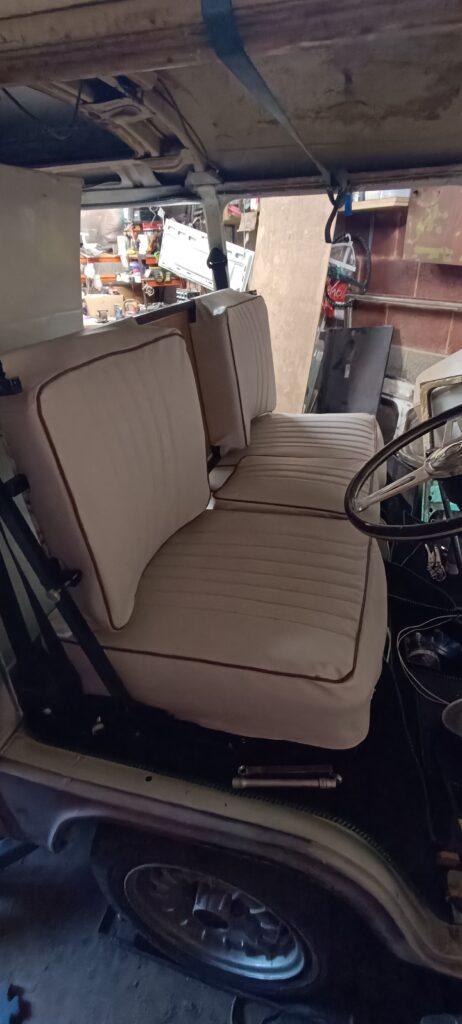
The dining room was requisitioned for sewing, the office was heaving full of rolls of material and the back bedroom was being used to cut material on the floor. With Christmas coming, it all needed to be tidied away to allow us to have pigs in blankets, or “relatives staying in the spare room” as some call it (sorry Mum and Dad, I know that you have heard that plenty of times before, but it is quite clever). The rolls of material, foam, sewing machine and everything else were tidied away, the upholstery stores converted to bedrooms and the seats removed from the house and into Eric both to empty the house and verify it all fits.

I was rather pleased with the result. This configuration gives me seats for driving, the same seats facing backwards for camping and a table for storage / dinner prep.

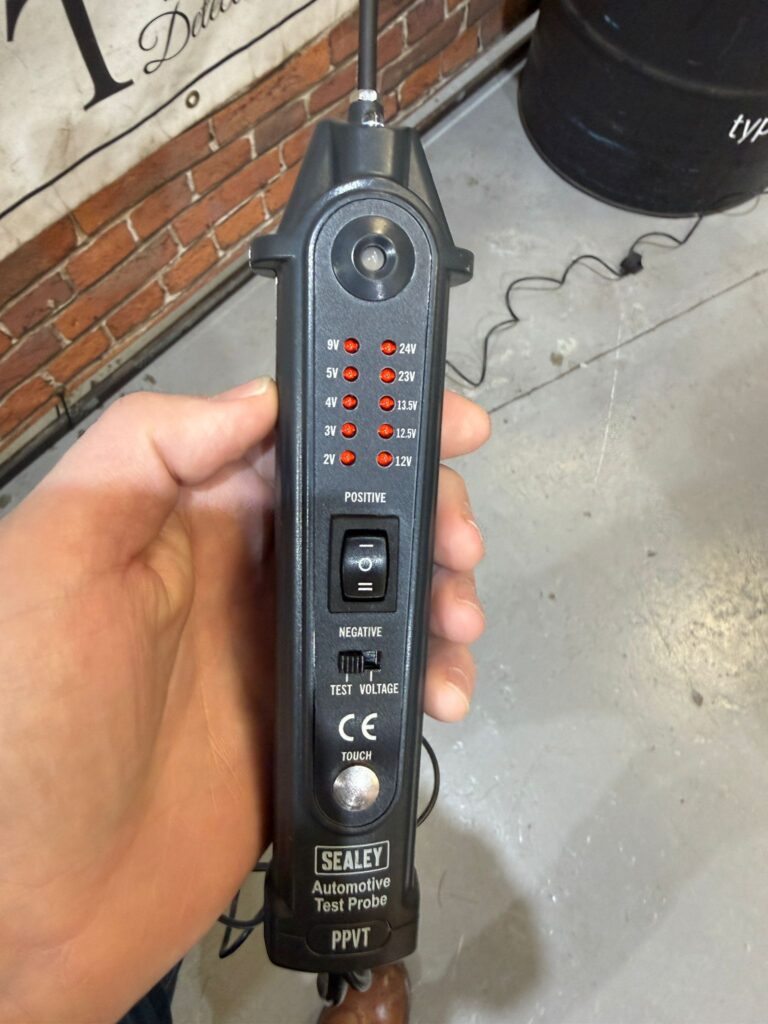
I will admit that in addition to the upholstery, I made a start on the wiring as well. After a full review of the wires, I added a battery to the right place, added the wire that ought to be on the alternator to the battery as well (since there is no alternator and no engine). As I turned on the side lights, headlights, beam, hazards and windscreen wipers, each fuse showed 12 volts as the right time. I was rather heartened and finished the day in a celebratory mood. The next day, I joined the right fuse to the actual side lights, headlights, beam, and windscreen wipers. Nothing worked, not a single circuit. Which was a key reason why Sally Sewing Machine came out.

A job for another day, perhaps I can persuade Malcolm to pop down and help me get it all sorted?