Category Archives: T4

Always trying to stay ahead of the curve, the T4 used all the automotive design enhancements that had occurred in the last 10 years. The very essence of Volkswagen usability.

Ask The Mechanic – 169 – Solar Panel Charge Controllers

For this instalment of The mechanic, we welcome a submission from the club’s chairman;
Malcolm Marchbank.
SR PWM MPPT – A question of control
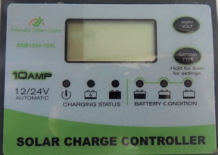
If you have or thinking of getting a PV (photo voltaic) solar panel, then these terms may concern you.
There have been several articles about the use of solar panels to provide power in vans when there
is no hook up available. The panel(s) will almost certainly be used to charge a battery for use when
there is insufficient power available from the sun. The maximum power available from any panel is in a very clear set of circumstances, the sun needs to have an energy at the panel of 1000 watts per square meter, the sun’s rays must strike the panel perpendicularly, the air temperature should be 23 deg C. So, if you set up your panel at noon on a cloud free midsummer’s day carefully angled so the sun strikes it at 90 deg and there is a gentle breeze, a 100w rated panel will give 100w of electrical power. In any other circumstances the power will be substantially less. So, in reality it is better to estimate the average power to be 30 to 60w from a 100w panel.
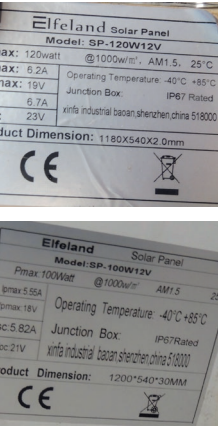
The next thing is how to make the most of the power we do get. If you examine the “rating plate” fitted to almost all solar panels you will see some numbers. Ok you see 100w max power but look at the “ipmax”
this is the current at maximum power, ”vpmax” this is the voltage at maximum power. A typical example
of a 100w panel ip max =5.55a vp max =18v 185.55 =100w. So we need a control unit to regulate the power sent to the leisure battery. Small panels less than about 30cm square sold as “trickle chargers” to maintain a battery while laying on the dashboard have so little power they are self regulating (SR) as the current is so small as never to damage the vehicle battery. Those for phone or device charging rely on the internal battery controller in the device to regulate the power and prevent overcharging of the internal battery. This leaves the choice of the two types of actual control unit PWM (pulse width modulation) or MPPT (maximum power point tracking). At first the generally available controllers were all PWM and cost from £8 up to around £35. These work by monitoring the battery voltage and sending pulses of power to provide an average voltage to the battery. Initially when the battery is low, the power pulses are very wide, but as the battery voltage rises then the pulse width is reduced. It is important then for the controller to “know” when the battery is at full charge so the pulses can be reduced. Different (lead acid) batteries fall into at least 3 types; Flooded, AGM and GEL. Each has a different charging requirement. So, any controller needs to be set to the correct type. Cheaper controllers may have no settings at all or be described as “automatic detection” and are probably best avoided! When you look at the typical full power voltage and current from a solar panel you will notice the voltage is too high as the maximum needed for the battery is 14v so the best this controller can do is to give 145.5=77w. The rest of the power is wasted due to the effective internal panel resistance.

So around 25% of the power we do get is just wasted, to overcome this a MPPT controller can be
used. This is often a combination of PWM control (for trickle charging when full power is not needed) and
an inverter which is controlled by a microprocessor. This changes the 18v 5.55a into 14v 7a, this is an
example as the controller constantly measures both panel output (change in sun intensity) and battery
condition (low, charging, full) and adjusts the inverter to maximise the power to the battery. This results in
an efficiency of better than 95%.

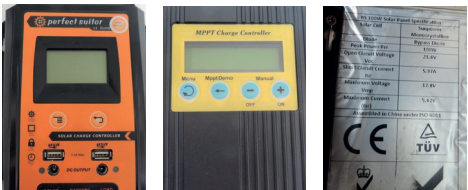
I have tested this and can confirm that just changing the controller increased the current from 5a to 7a. If as I have, you have more than one solar panel (I use 3) and they are all slightly different outputs, the MPPT sorts out the balance even when one is in shade and 2 are in sun. The MPPT controller is as you would expect, more complex and expensive up to around £70. This may mean that some suppliers may claim to be MPPT when they are not. I was fooled by this but claimed back from the seller as the description was clearly false. I have some photographs of the various types; PWM 10 amp, fake MPPT (plenty of usb points on it!) and a real MPPT 10 amp unit. So check that you get the correct item!
I have 2 panels on the roof of my Westy and when raised the angle is quite close to optimum. I also have
one on the front luggage rack so I can get power even as the sun passes over. I have this arrangement
to support not only lights and water pump, but the compressor fridge that is of course run 24/7. I would
not want to run out of ice for our G&T’s after all!
Malcolm
Upcoming event – Club Camp, BBQ & AGM Banbury, Oxfordshire – 13th to 15th May 2022

This event has proved to be so popular that we are now operating a waiting list as we are over-subscribed! If you are not already on the list, please do not book with the site.


The 30th Anniversary Club Camp (delayed a year), BBQ & AGM will be
held at Barnstones Caravan & Camping Park, Main
Street, Banbury OX17 1QU.

Please get in touch with our Events Manager Lorna at
events@vwt2oc.co.uk, or on our Facebook page with any questions.

Wakey Wakey!

Yes, it is that time again. Hurray! Finally, after the long winter in our non-mobile houses, we can get out our beloved vehicles.

Checklist

Hopefully you all followed the article Time for bed/ to help put your vehicle to bed for the winter. Now that spring is in the air and we are starting to think about getting out and communing in nature, this is a key time to get things ready.

Doors locks – there’s nothing more annoying than a failed lock. get it fixed now before the season really gets going. Door lock issues can be very straight forward but a simple lubrication can be key. Pun intended. A non residue lubricant is best to move the dirt away as WD40 can leave enough gunk to create issues. We favour silicon spray. A little into each lock.

Windscreen wipers – did they perish in the cold winter freezing them to the windscreen. Inspect and replace now.

Water – check the radiator if you have one. Ensure that the bottles that you emptied in the Autumn / fall have no mice, carefully hidden Christmas presents or mildew. Clean with a weak Milton solution if it is drinking water or food related.

Batteries – check the charge on each battery with a good meter. A flat battery can indicate an earth leak. A failed battery needs careful investigation.

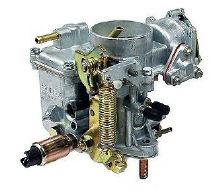
Carburettor – Or equivalent. Check for good operation, no stuck flaps or other deterioration over winter. If you are a professional, this will be straight forward. If you are an amateur, a test drive very close to home will highlight problems! But only after the other checks.

Brakes – your vehicle should roll easily, otherwise this can indicate jammed brakes. Parking in gear for long periods of time can be better for your brake health than a jammed set of brakes. Check the brakes for operation. Check the brake fluid level. If it has been more than 5 years, change the brake fluid as it is hygroscopic and slurps up water incredibly quickly. Water is not a good fluid for applying the brake pads to the disks.

Seals – inspect all door seals for any signs of damage, water ingress or other problems and sort them out now. Glue any loose bits back down with the correct glue.

Windows – ensure that they all open and close fully. Or at least as fully as they did last year if applicable!

Ignition – Once you are feeling confident, get in to your pride and joy and turn on the ignition to number 2. Look at the lights on the dashboard. Check there ARE lights! Are they what you expect / are used to seeing? Have you got fuel (for those with a working fuel gauge)?

Crank it over – don’t expect it to start immediately but things should kick into life within a few seconds.

A little test drive on your driveway will allow you to test the brakes, maybe the steering and other important parts. Softly, softly.

Stay local, take your phone with you and warm clothing. Just in case!

Once you get home, assuming that you have a big smile on your face, make a list of snags, get indoors, put the kettle on and start planning for your summer.

Check out the events page and come and see us at a meeting soon!

Upcoming event – First camp of 2022 – Are you going to Cheddar?

We are excited to announce that our first club camp and BBQ is booked in! Join us from Friday 22nd to Monday 25th April at Petruth Paddocks, Cheddar in Somerset.

You can come early, stay later and we have arranged an excellent rate with the site.

See the source image

Chill out, use it as a base for exploring, come and go as you wish. Read more about it in the next issue of Transporter Talk and see the Events page on this site for other club events this year.

Club Easter coffee morning achieves fame!

What started out as a suggestion from long time club member Paul Turner (second page, bottom left image) for sitting in your van and having a cuppa turned into the largest meeting, albeit virtual, seen by the club in many years.

We even got the event featured in Volkswagen Camper and Commercial magazine.

If you want to buy the magazine, you can get just the one from

https://magsdirect.co.uk/magazine/vw-camper-commercial-no-151/

or just take a look at the club article here

http://vwt2oc.co/wp/wp-content/uploads/coffeemorning_C151.pdf

Dubside Summer Solstice photo event – together while apart

Another wonderful turn-out from the Club! Dressing up and Stone Henge appeared in many of our members’ photos, to celebrate the Summer Solstice, in lieu of our planned Isle of Wight Club Camp. That’s been put off till next year, but you can spend a few enjoyable minutes looking over these photos instead. No ice creams, though, I’m afraid…

See more on our private Facebook page, or on our Instagram page

Barry Paxton

On the ferry
Ann Eaton dressing in style
Derek and Christie’s one owner Bay window “Daisy” enjoying the Solstice sunset
Staying safe!
Ian Jennings with the BBQ going (jealous)
Kirsteen’s stunning interior
A mini dubfest!
Lorna and Nick and “stone hinge” (yes, we need to get out more)
Dressing up for Lulu Wright
Susan Drake enjoying a drink
Malcolm and Val (and Lottie) enjoying Stonehenge in their garden
Complete with their T25 Connie and the club trailer

Virtual coffee morning – Sunday 5th April

Virtual Coffee Morning brings people together by Events Manager Lorna Williamson

In these strange times, it’s easy to feel lonely. Even the passion you feel for your VW Campervan is not always enough on its own, let alone the frustration of knowing that the open road is still out there, waiting… 

Enter stage right the VW Type 2 Owners Club. This British Club decided to create a feeling of togetherness when people can’t actually get together, with a simple event built around the joy that only a VW Campervan can bring.   

Using the Club’s Facebook and Instagram pages plus good old email, the VWT2OC encouraged its members to take their Sunday morning coffee out to their van, and get a picture.   

“Nick and I had been joking for weeks about camping out on the driveway,” said Events organiser Lorna,  “…we always sleep better in Poppy! Combined with input from a member who wanted to feel connected, and the fact that you can never have too many photos of vans, we came up with the virtual coffee format. We’ll be trying something similar on VE Day!” 

Not everyone had access to their van – some being in storage, in the workshop, at home while people were away caring for relatives, or simply not available on the oil rig where the member was based! But people valiantly entered the spirit of the thing, with well over 100 photos shared, and these are some of the results… 

2020 camps!

Is it March already? I have barely had chance to remember to write the correct year and already we are into March, the clocks “spring” forwards this month and next month was to see our first camp!

April 4-19 – Easter Club Camp, Petruth Paddocks, Cheddar, Somerset (Club camp)

Sadly due to the Coronavirus, this has had to be postponed.

Head over to http://vwt2oc.co/wp/events/ for details of other events happening this year. If you are interested in any camp, contact our lovely Events Manager on events@vwt2oc.co.uk. She doesn’t bite.

Wakey wakey!

Yes, it is that time again. Hurray! Finally, after the long winter in our non-mobile houses, we can get out our beloved vehicles.

Checklist

Hopefully you all followed the article Time for bed/ to help put your vehicle to bed for the winter. Now that spring is in the air and we are starting to think about getting out and communing in nature, this is a key time to get things ready.

Doors locks – there’s nothing more annoying than a failed lock. get it fixed now before the season really gets going. Door lock issues can be very straight forward but a simple lubrication can be key. Pun intended. A non residue lubricant is best to move the dirt away as WD40 can leave enough gunk to create issues. We favour silicon spray. A little into each lock.

Windscreen wipers – did they perish in the cold winter freezing them to the windscreen. Inspect and replace now.

Water – check the radiator if you have one. Ensure that the bottles that you emptied in the Autumn / fall have no mice, carefully hidden Christmas presents or mildew. Clean with a weak Milton solution if it is drinking water or food related.

Batteries – check the charge on each battery with a good meter. A flat battery can indicate an earth leak. A failed battery needs careful investigation.

Carburettor – Or equivalent. Check for good operation, no stuck flaps or other deterioration over winter. If you are a professional, this will be straight forward. If you are an amateur, a test drive very close to home will highlight problems! But only after the other checks.

Brakes – your vehicle should roll easily, otherwise this can indicate jammed brakes. Parking in gear for long periods of time can be better for your brake health than a jammed set of brakes. Check the brakes for operation. Check the brake fluid level. If it has been more than 5 years, change the brake fluid as it is hygroscopic and slurps up water incredibly quickly. Water is not a good fluid for applying the brake pads to the disks.

Seals – inspect all door seals for any signs of damage, water ingress or other problems and sort them out now. Glue any loose bits back down with the correct glue.

Windows – ensure that they all open and close fully. Or at least as fully as they did last year if applicable!

Ignition – Once you are feeling confident, get in to your pride and joy and turn on the ignition to number 2. Look at the lights on the dashboard. Check there ARE lights! Are they what you expect / are used to seeing? Have you got fuel (for those with a working fuel gauge)?

Crank it over – don’t expect it to start immediately but things should kick into life within a few seconds.

A little test drive on your driveway will allow you to test the brakes, maybe the steering and other important parts. Softly, softly.

Stay local, take your phone with you and warm clothing. Just in case!

Once you get home, assuming that you have a big smile on your face, make a list of snags, get indoors, put the kettle on and start planning for your summer.

Check out the events page and come and see us at a meeting soon!

Fuel hoses

Anyone with a vehicle knows that fuel is really rather flammable. This is why you do not smoke at a fuel station. Anyone owning or driving an old vehicle should be equally careful with the state of the fuel “line”.

From the tank to the engine, the fuel is permanently sitting in metal pipe, plastic pipe and rubber pipe. There is no off switch, so if this ruptures, you are dumping the entire contents onto the ground, so from a financial point of view it is a sensible idea to ensure this is all in good order. From a heartache perspective, it is imperative as well.

You do not want your pride and joy catching fire due to a leaking pipe spraying fuel onto something very hot in the engine bay.

Taking the Type 1 engine as an example, there are multiple systems in place as primitive fuel emissions systems.

The U shaped pipe number 9 is the one that you can see on the roof of the engine bay in a Bay window just above the number plate.

Red pipe numbered 24 needs a long arm and can be reached by putting your left hand up past the rear light cluster up the side of the bus and is quite a tricky little one to replace. If you can smell fuel always, especially if you sniff the air intake on the left side, that is often missing or perished.

The ones next to the fuel tank in the picture by green 24 are all behind the fuel tank firewall and need the engine to be removed.

My local VW mechanic recommends replacing all of the rubber components at least every 3 years and last time , we found that blue 24 in the middle of the picture on the pipe heading to the right was actually disconnected, causing fuel to spill over the top of the tank when turning right with a full tank! We had a clean section of tank and a lucky escape.

In summary. Ensure that your fuel system is inspected regularly by a competent mechanic and relevant parts are changed. The new fuels have either Biodiesel or Ethanol in them, which are not good on modern rubber pipes.