1 pack of Swedish meatballs (available in most supermarkets, not just Swedish furniture shops!)
1 Onion
2 cloves of garlic
A handful of dried fruit
One tin of chopped tomatoes
Flaked or chopped almonds (optional)
Dried mixed herbs
Butter or oil for frying
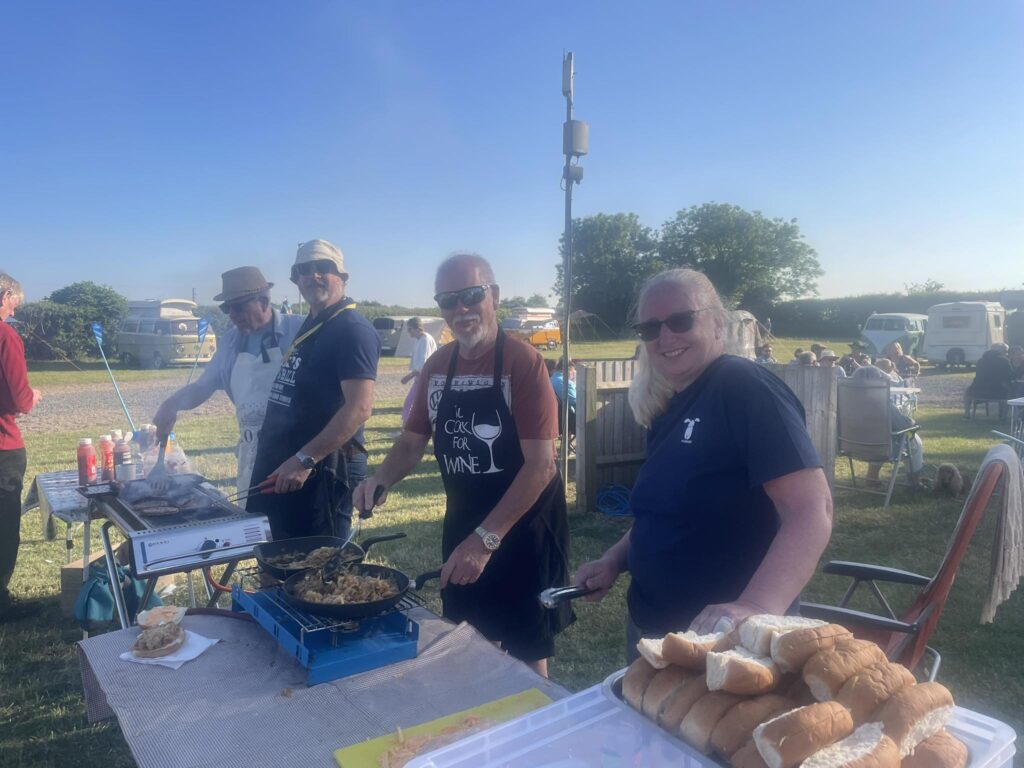
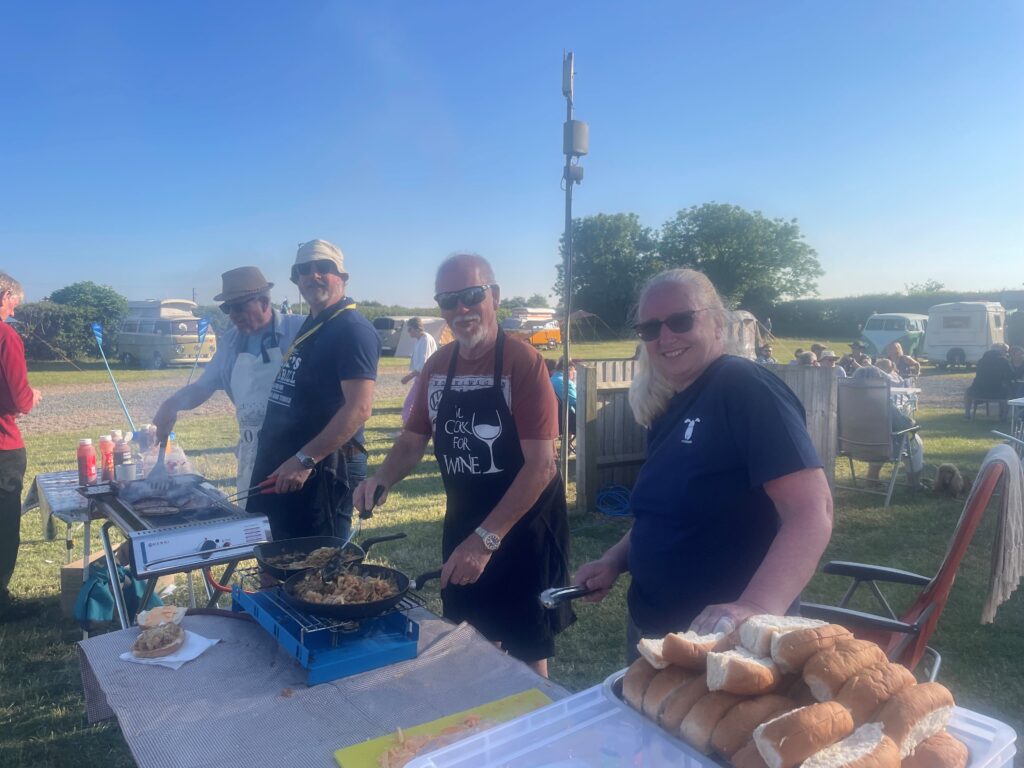
Fry the chopped onion for about 5 minutes until nicely soft and starting to go translucent. Then add the garlic, herbs, fruit and nuts. Stir a few times over the next few minutes. Add the can of tomatoes and the meatballs then simmer for 10 minutes stirring occasionally. Serve with crusty bread.
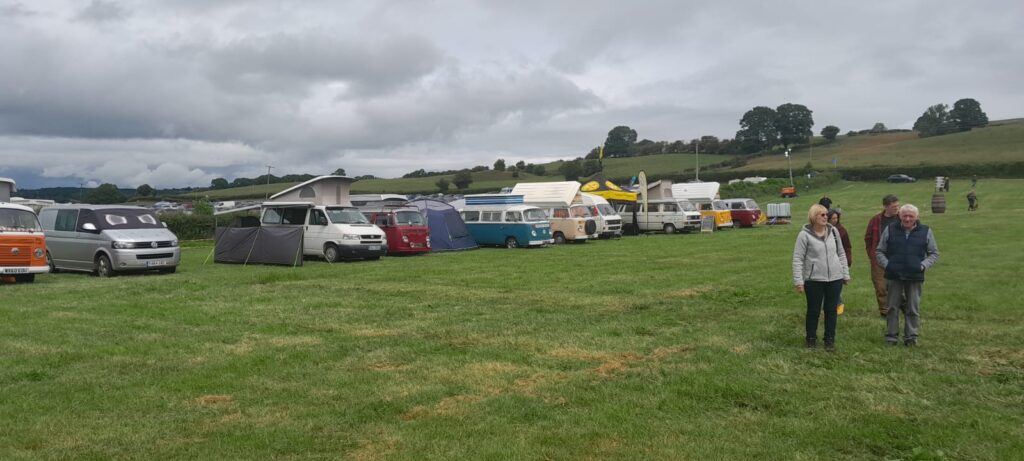
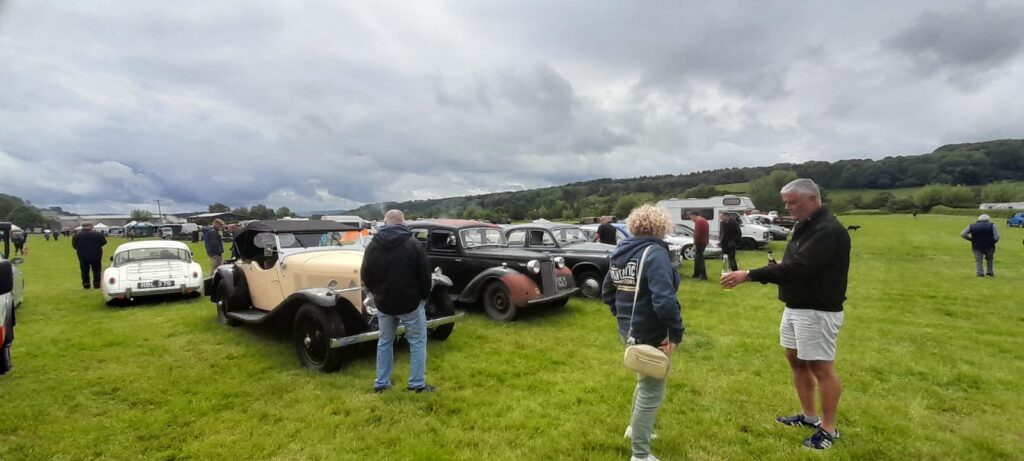
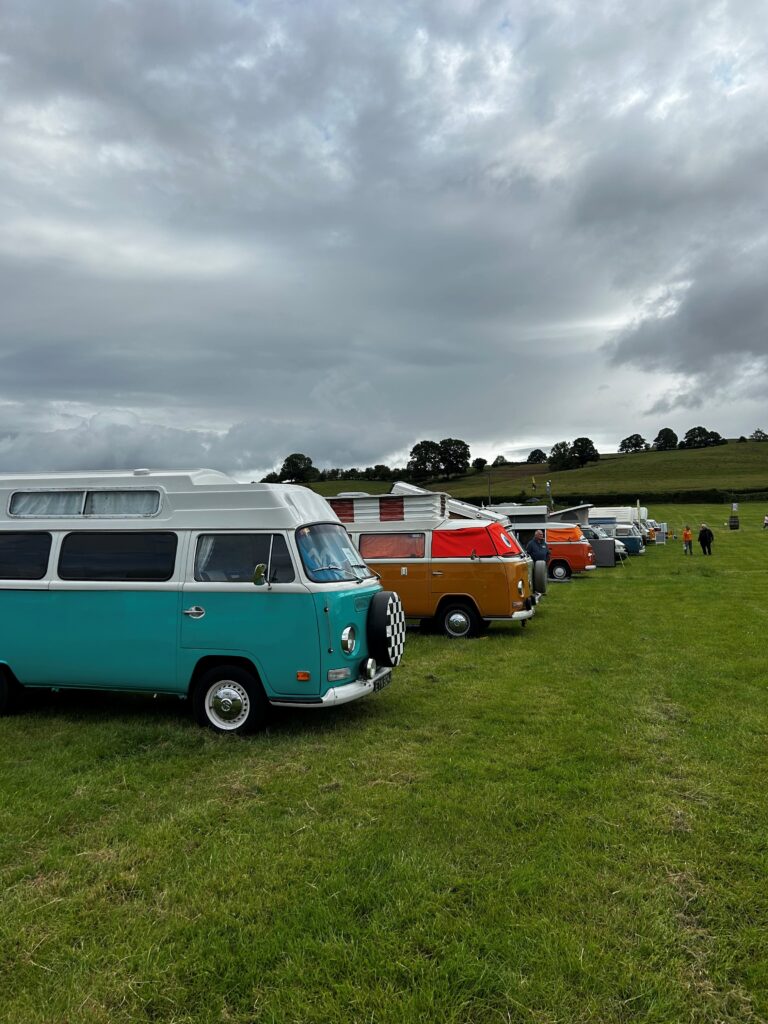
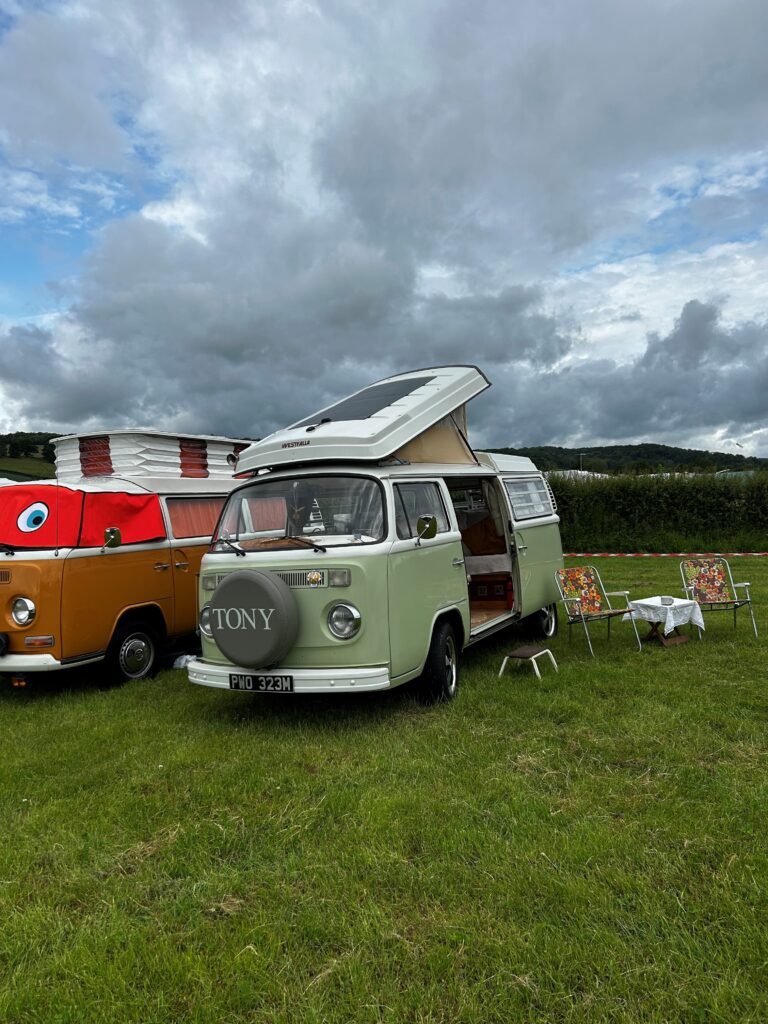
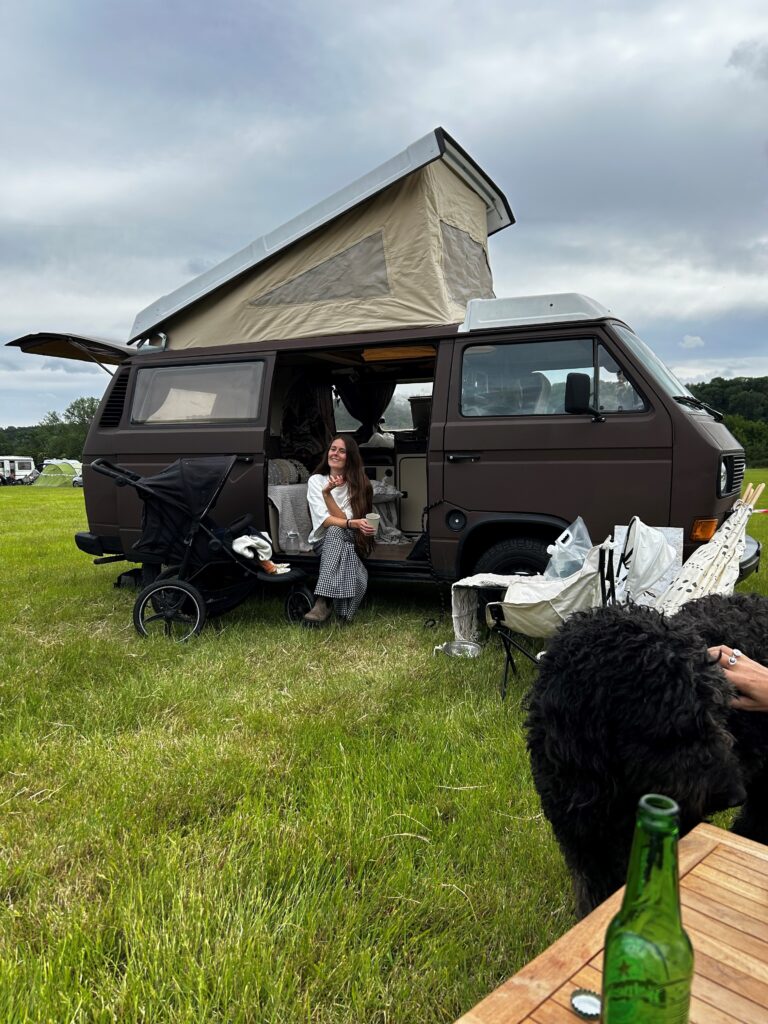
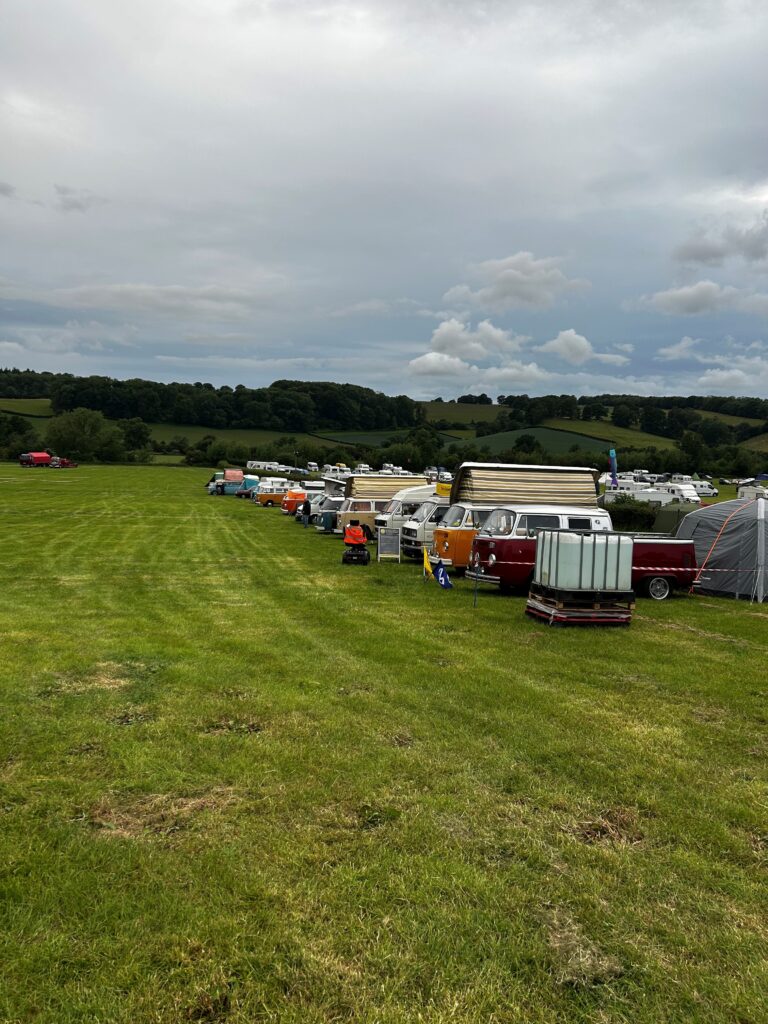
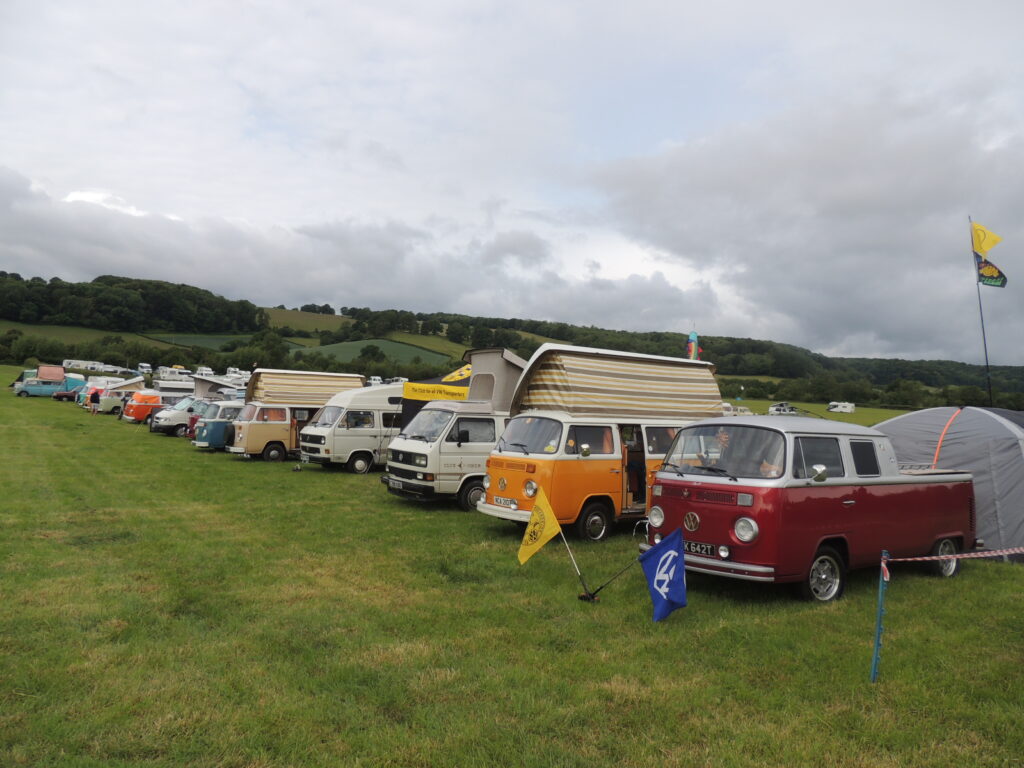
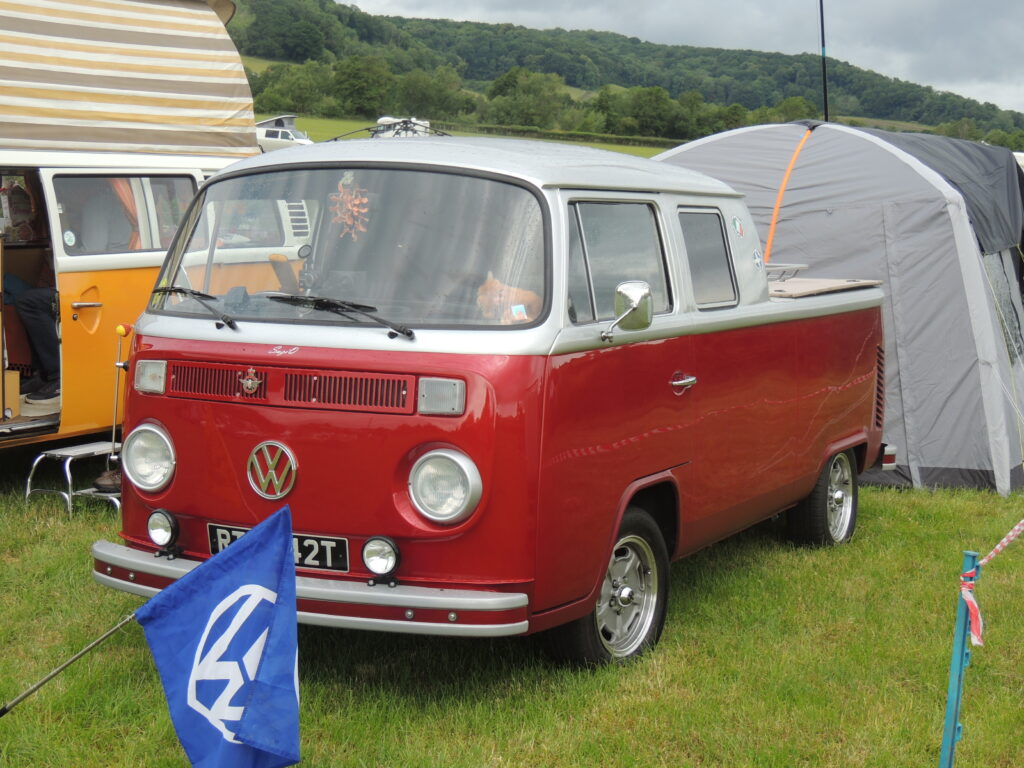
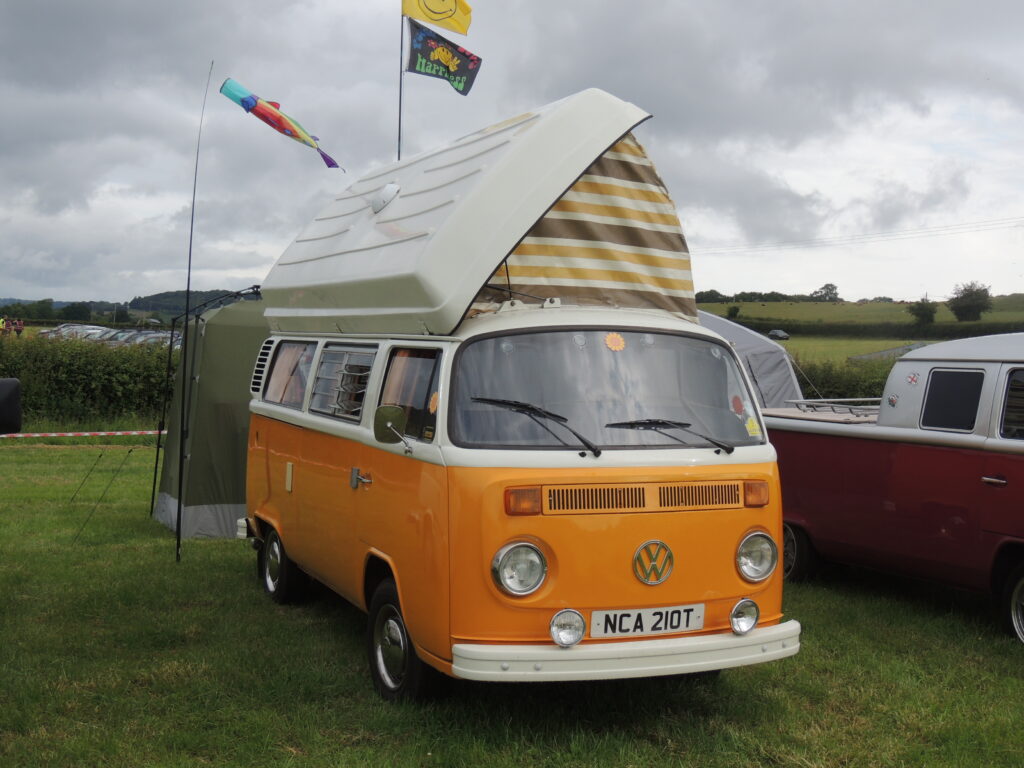
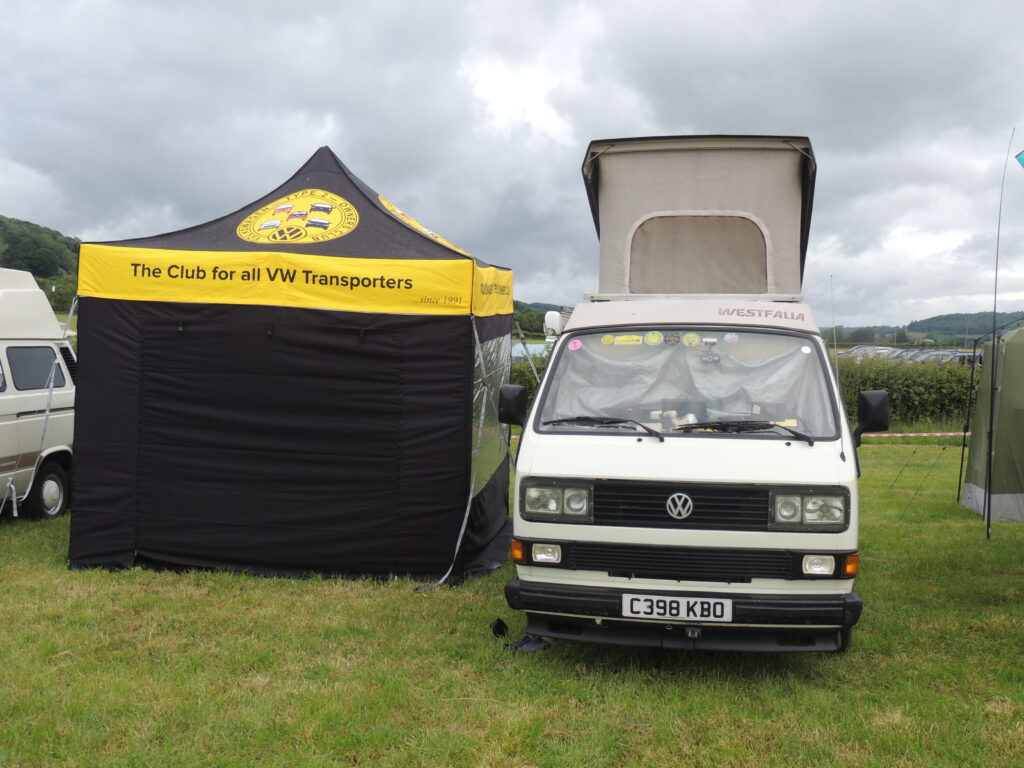
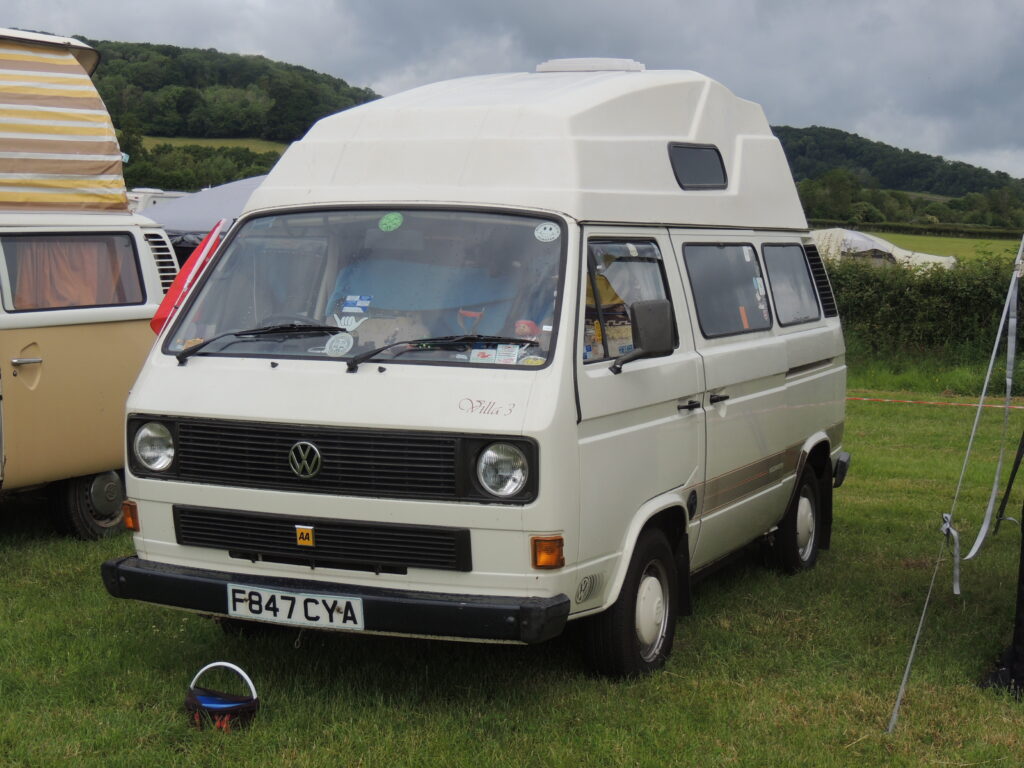
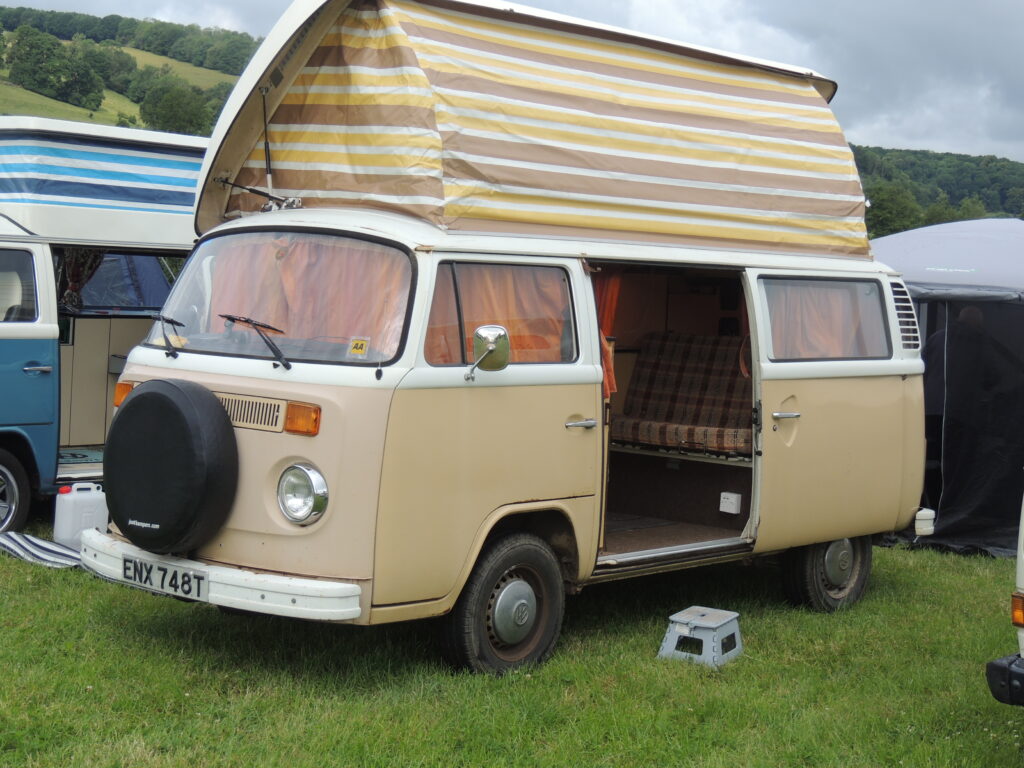
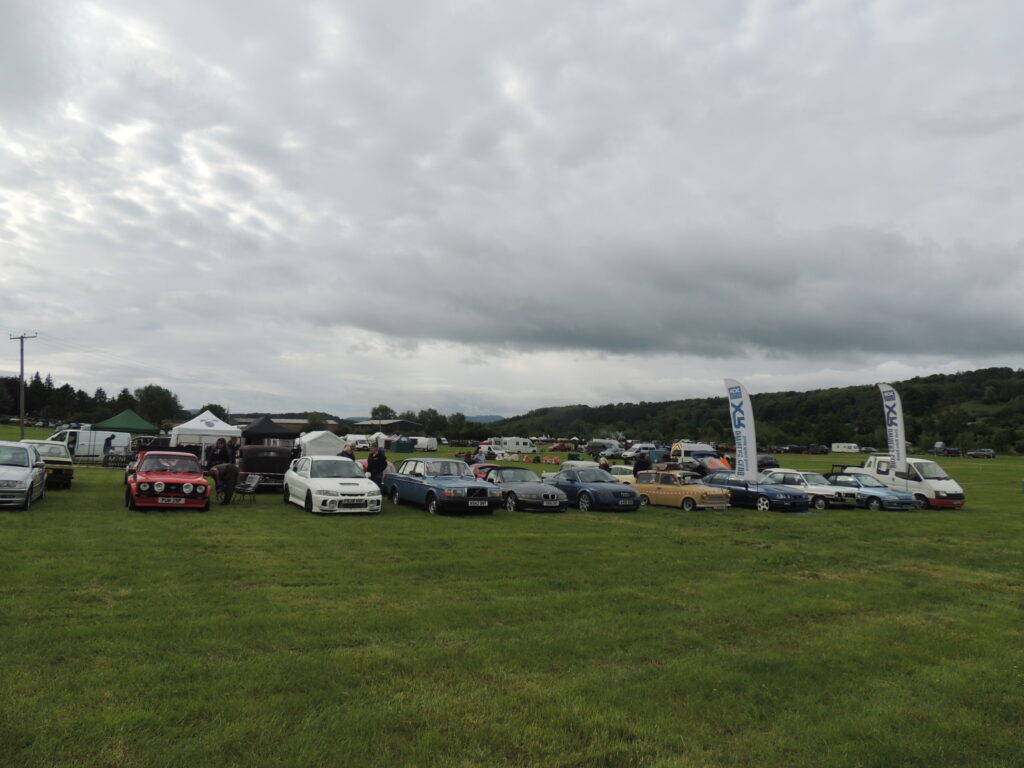
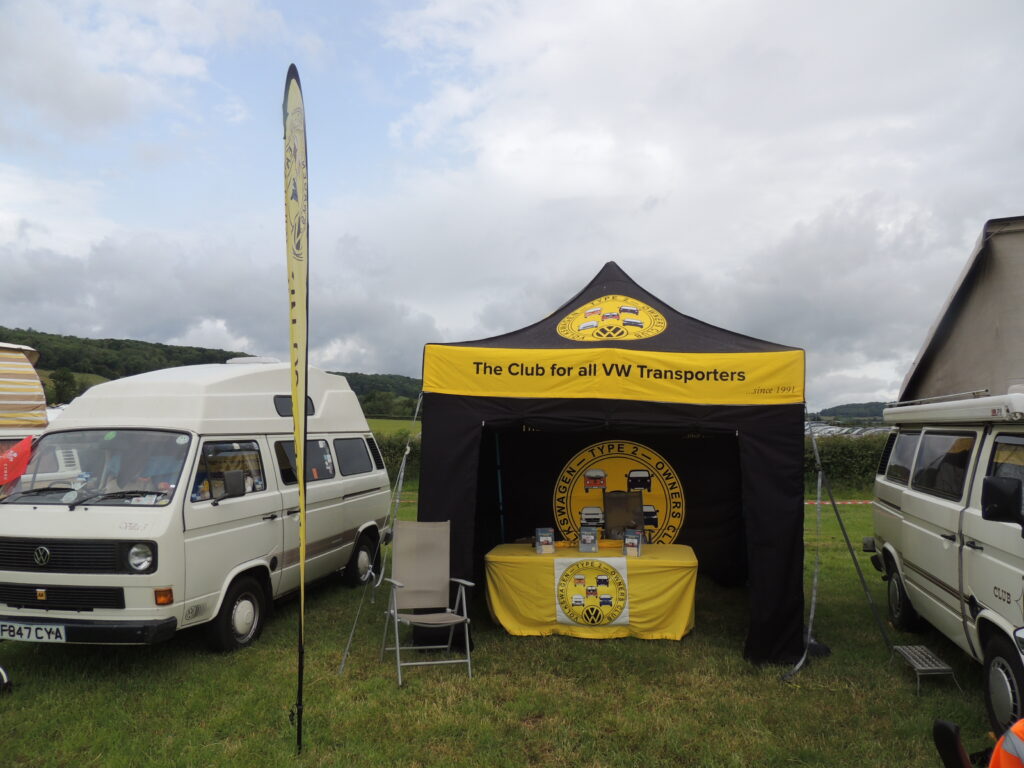
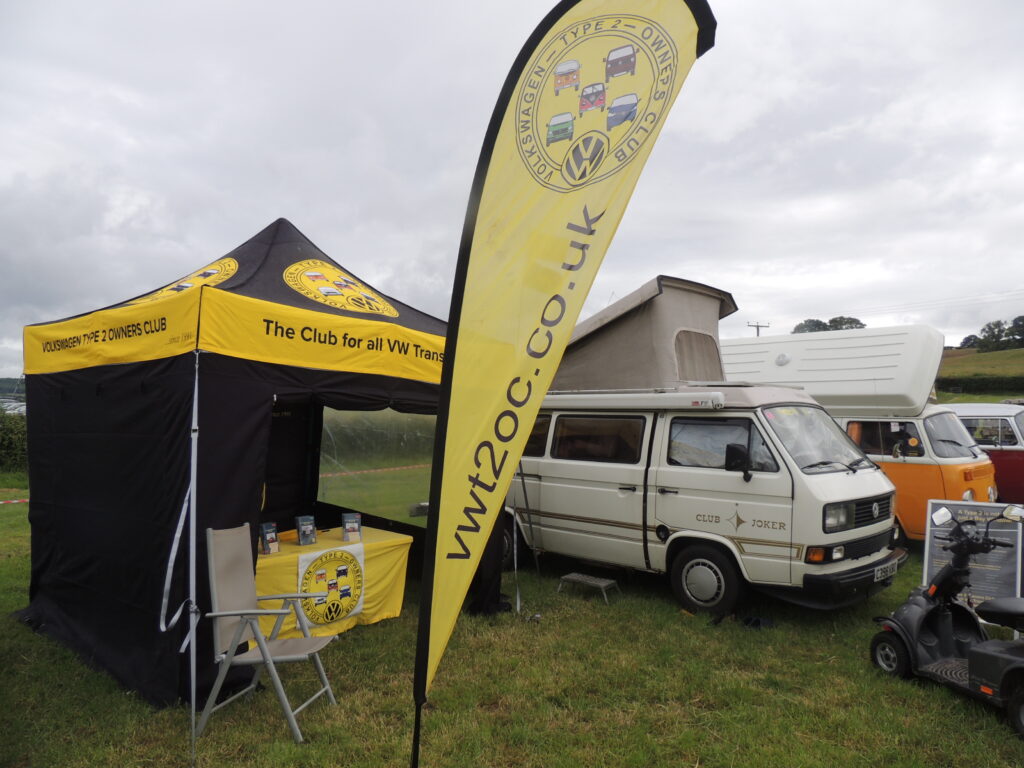
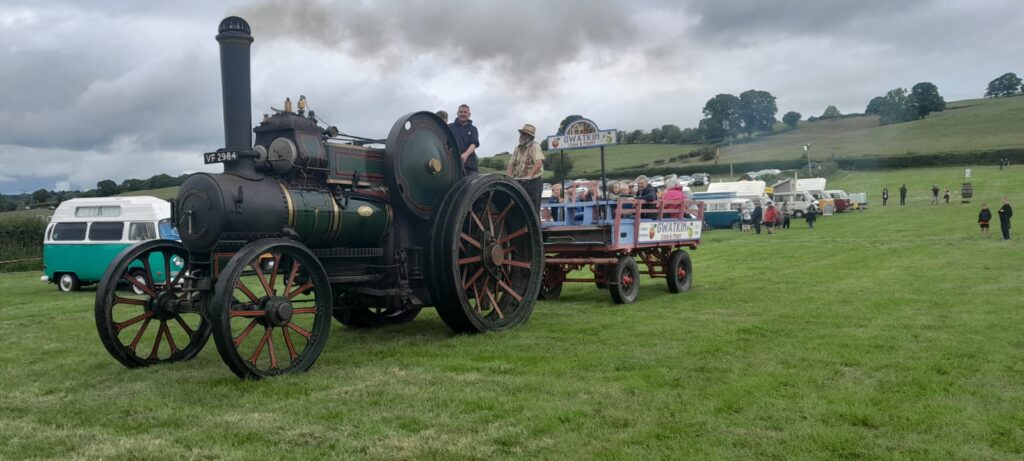
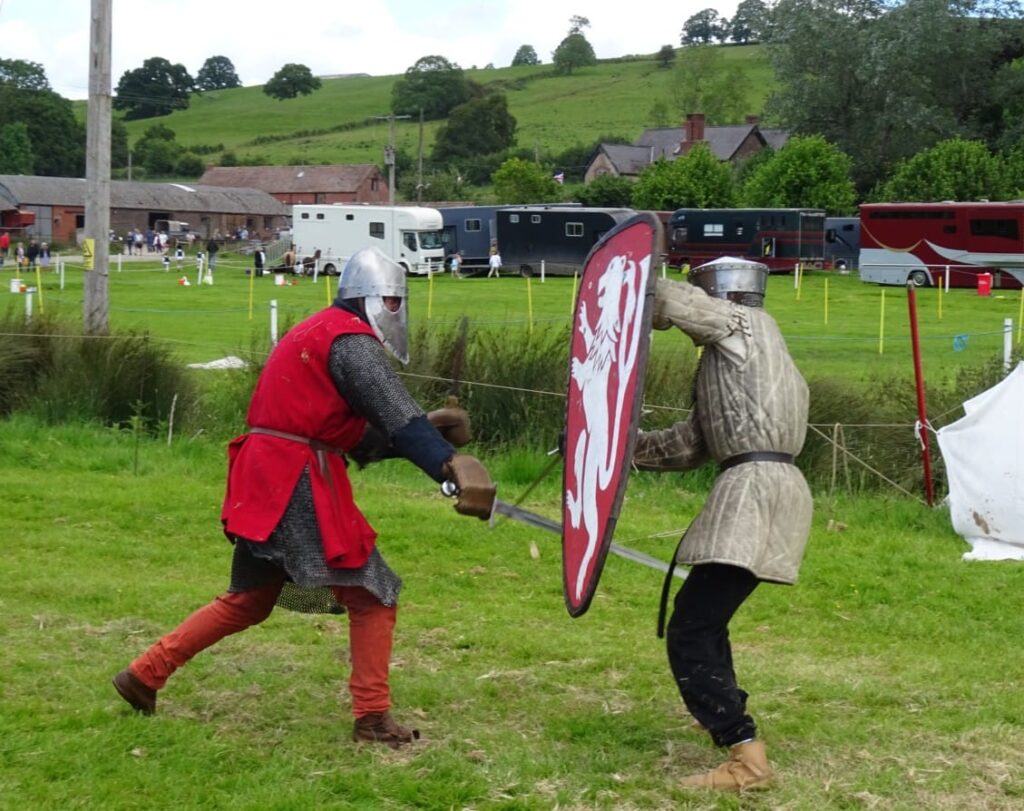
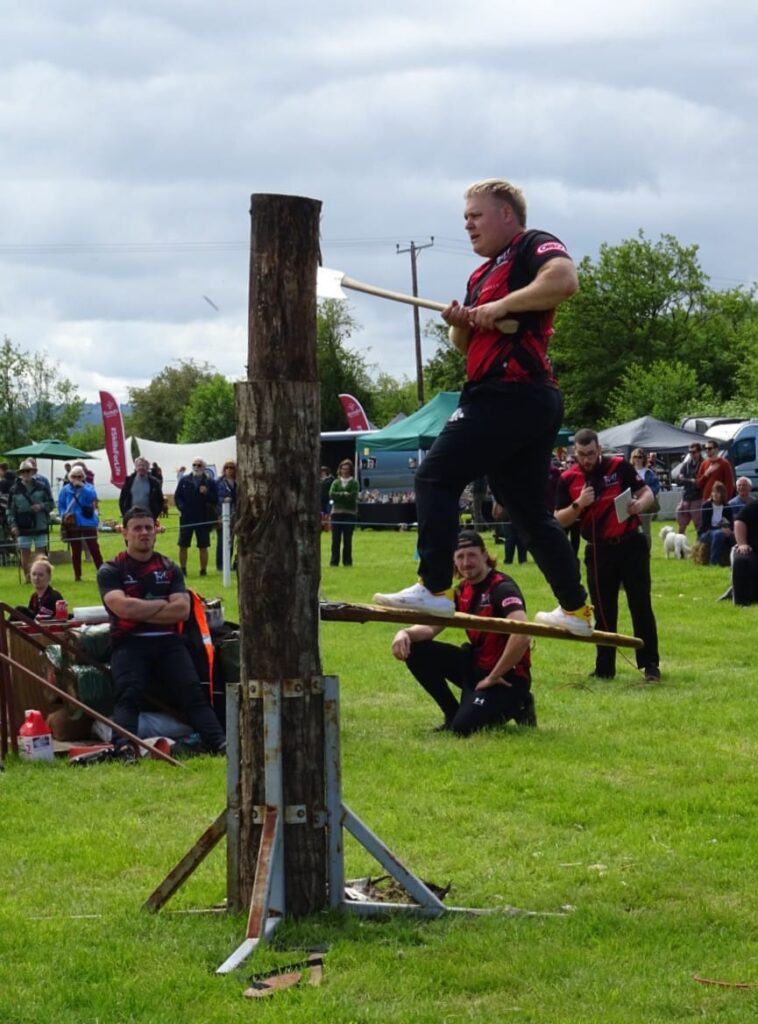
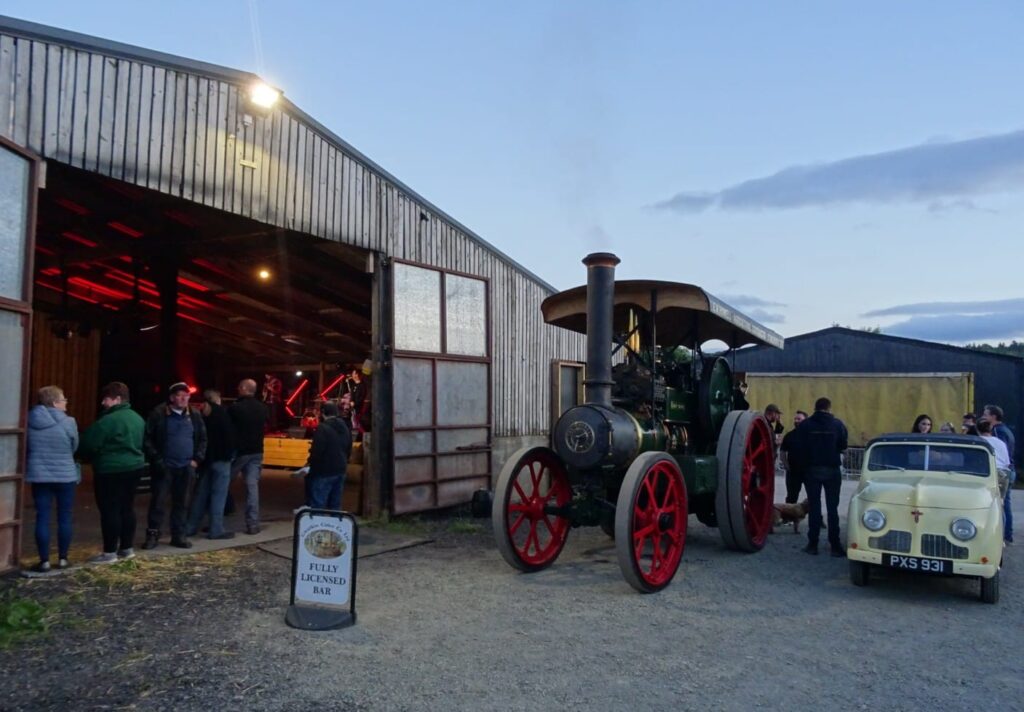
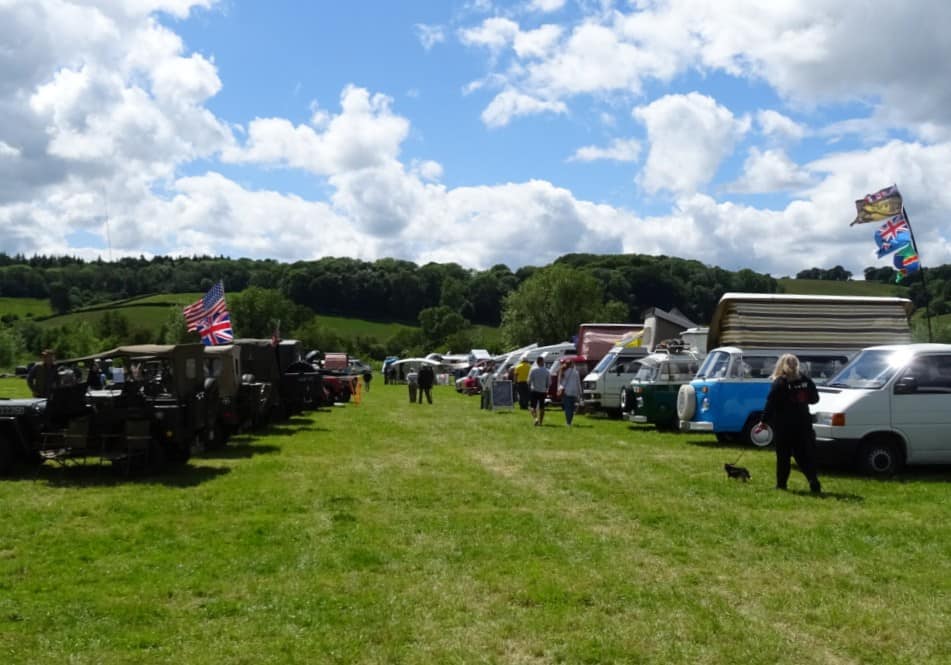
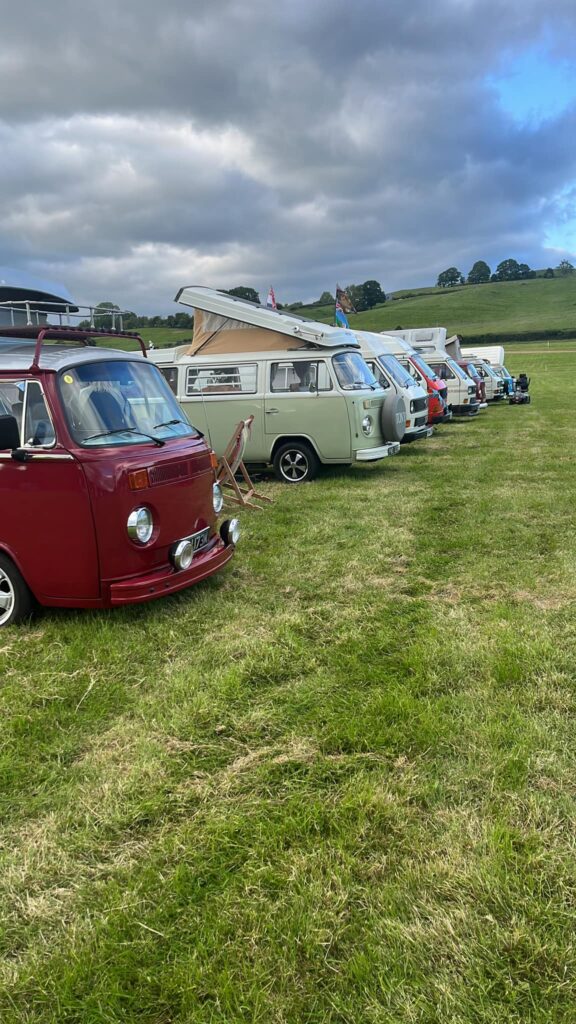
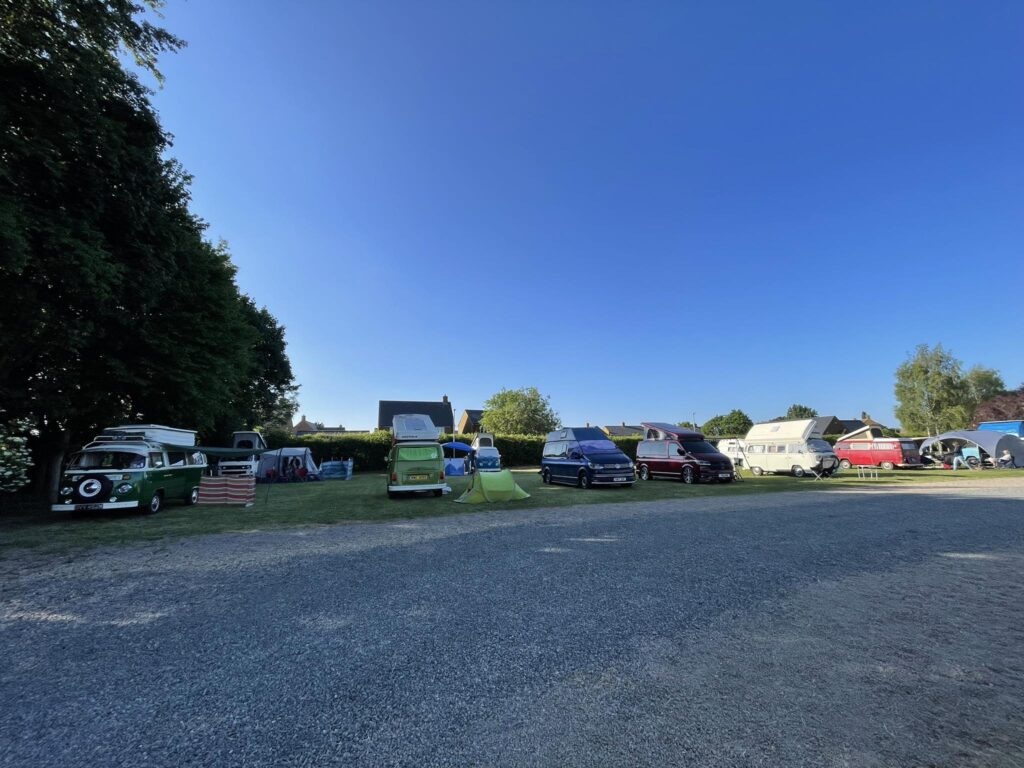
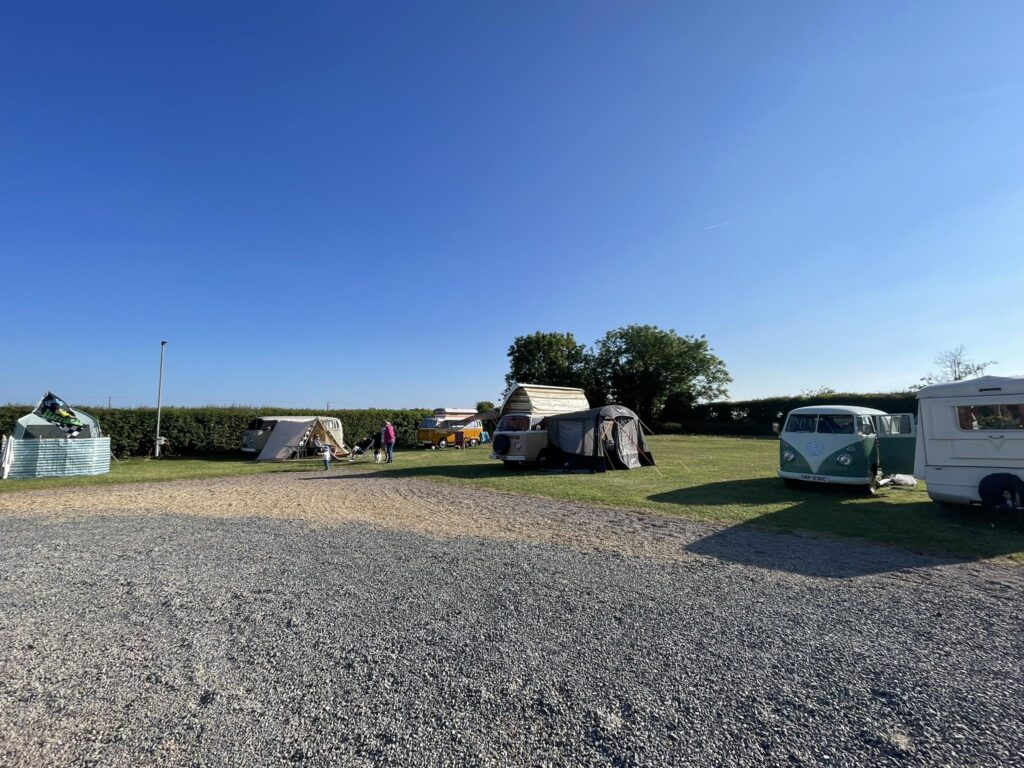
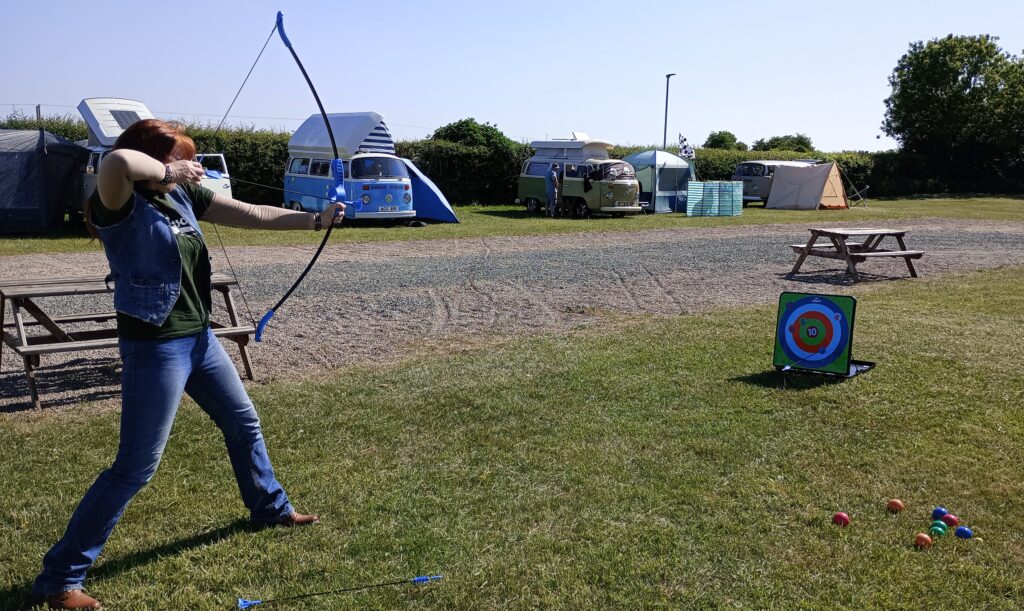
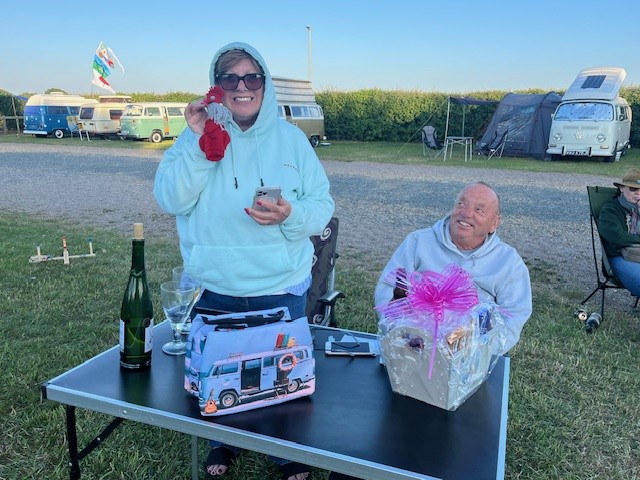
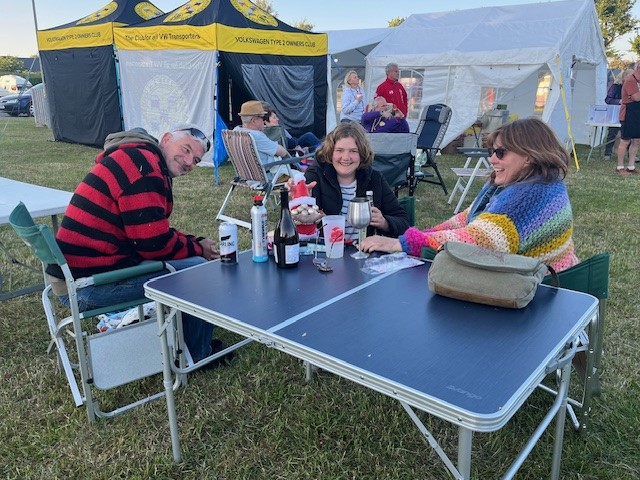
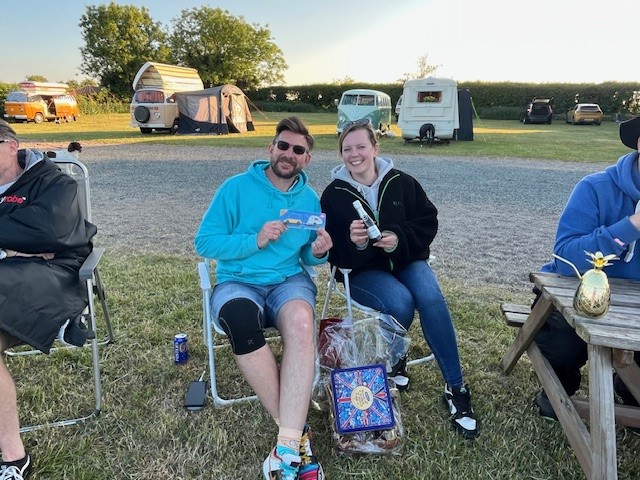
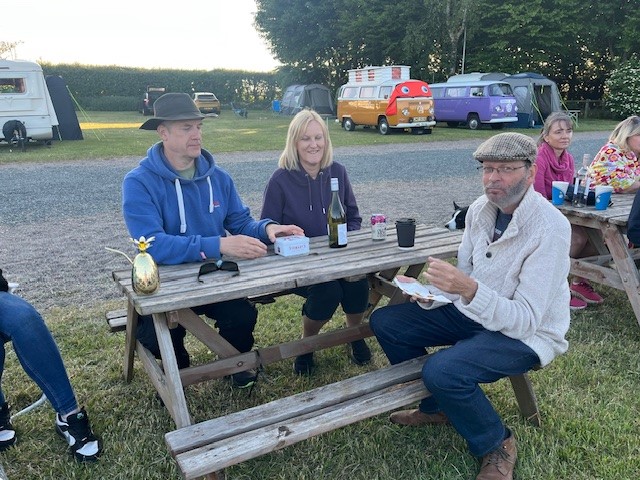
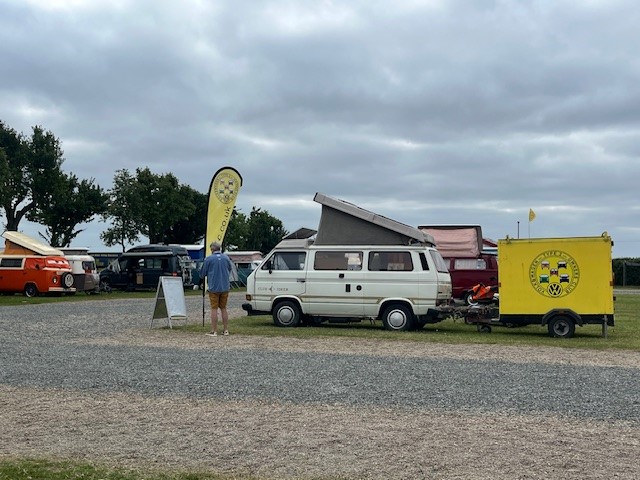
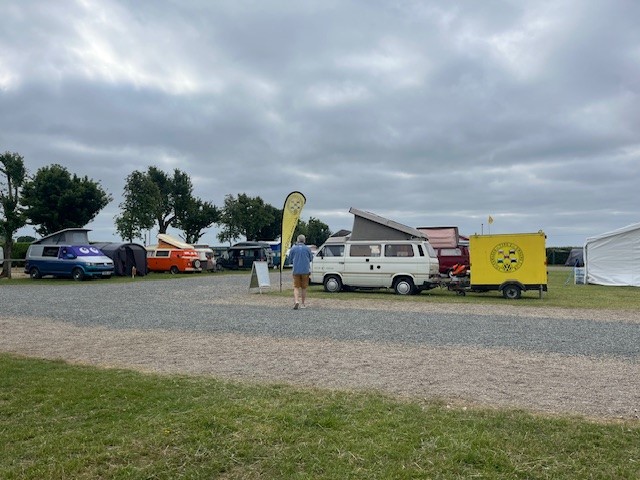
What’s not to like about this show? On a cider farm, traction engines, classic cars, tug of war, ice cream, music. Mr Gwatkin opens the doors of his cider farm for the weekend and we were invited to return for another year.
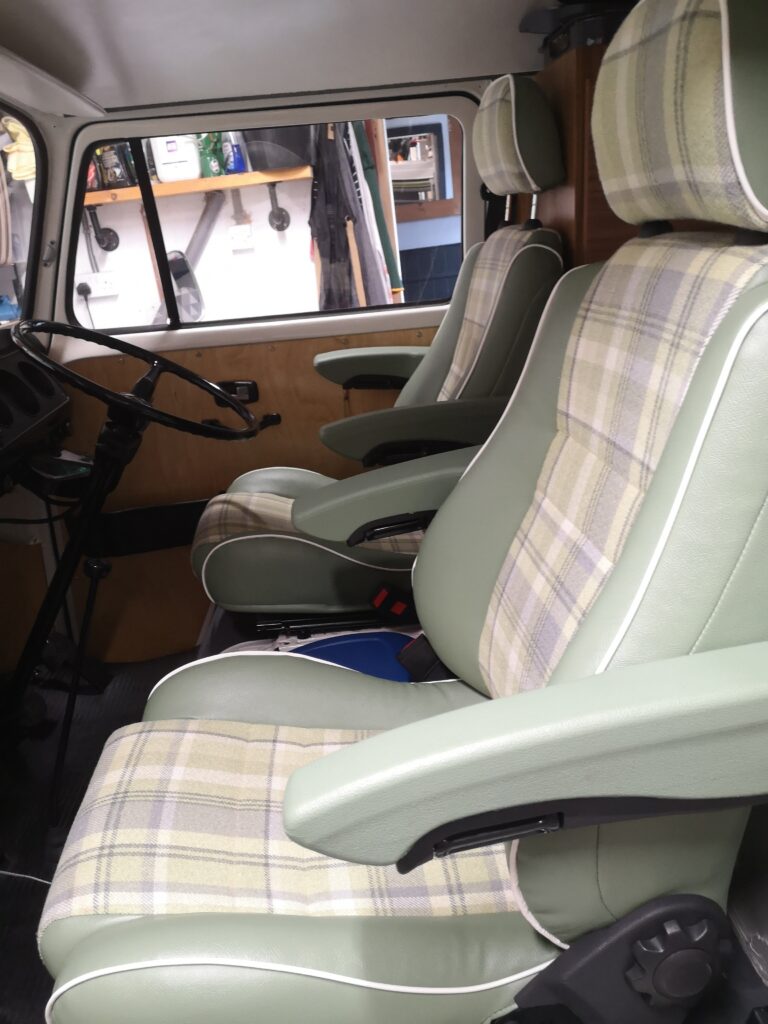
I wrote an article last year about installing MGF seats in Beryl, our 1973 Westfalia Continental, and promised a follow-up article about our trip to the Emerald Isle. (Editor notes – it was written last year but Member’s Motor articles were already in the pipeline, so the seats article is in issue 190!).
Sunday 20-08-23
We set off from Liverpool, on the 10.30 a.m. sailing to Belfast. Boarding the ferry was much easier than I’d anticipated. Beryl was already attracting the attention of our fellow travellers, and the new seats were getting a big thumbs up from Vikki and I.
We booked a cabin to make our trip onboard more relaxing as the crossing is 8 hours, and as luck would have it, our porthole overlooked Beryl, parked on deck in the August sunshine!
The crossing was smooth and comfortable, and disembarking into the Port in Belfast was very organised. What had I worried about?
Although hailing from Northern Ireland and having attended University in the city, I hadn’t been back to Belfast since 1996, so driving through the streets in a vehicle that was even older was a joy.
We’d decided to spend a few days in Belfast, so we parked at our city centre hotel, The Bullit on Church Lane. We ate in the hotel steak restaurant Taylor and Clay, which was fabulous.
Monday 21-08-23
We went for a morning jog through the city centre. It was a trip down memory lane for me, and jogging past my old University was a sight to behold after it’s multi-million-pound refurbishment.
We’d organised an itinerary for our trip, and first up was a 3.5-hour secret food tour of 6 notable eateries and watering holes in the city. It was fabulous, and the company of our guide and the other participants made it a truly memorable experience.
Tuesday 22-08-23
Being centrally located, we decided to run past the Titanic Museum before visiting later in the day. We booked tickets for the museum and a guided tour and can thoroughly recommend this for anyone visiting the Belfast.
Back in Beryl we headed out the Shore Road past Carrickfergus to our campsite at Carnfunnock Country Park.
Wednesday 23-08-23
After a morning run along the beach and a breakfast purchased in the famous Sawers Deli in Belfast, we set off along the Shore Road towards Ballycastle, a beautiful drive along the coast and through small villages.
We ate at the Look-Out Restaurant, the sister of the established Salt House restaurant and enjoyed an evening of fantastic food and drink accompanied by stunning views of the Irish coast.
Thursday 24-08-23
We had planned to make our way to Portrush, where I’d spent the summers of my youth working in a theme park called Barrys and my evenings in the many bars, but we were enjoying Ballycastle so much we decided to stay. The weather didn’t play ball, so we ended up cosied up in Beryl and watched episodes of Elementary on the projector.
Friday 25-08-23
Homeward bound a further 25 miles to Limavady along the coast to my hometown of Limavady to join up with my family.
A few days back home brought our trip home to a fitting end before we set off home on the Sunday 10.30 a.m. crossing to Liverpool.
What’s not to like about this show? On a cider farm, traction engines, classic cars, tug of war, ice cream, music. Mr Gwatkin opens the doors of his cider farm for the weekend and we were invited to return for another year.
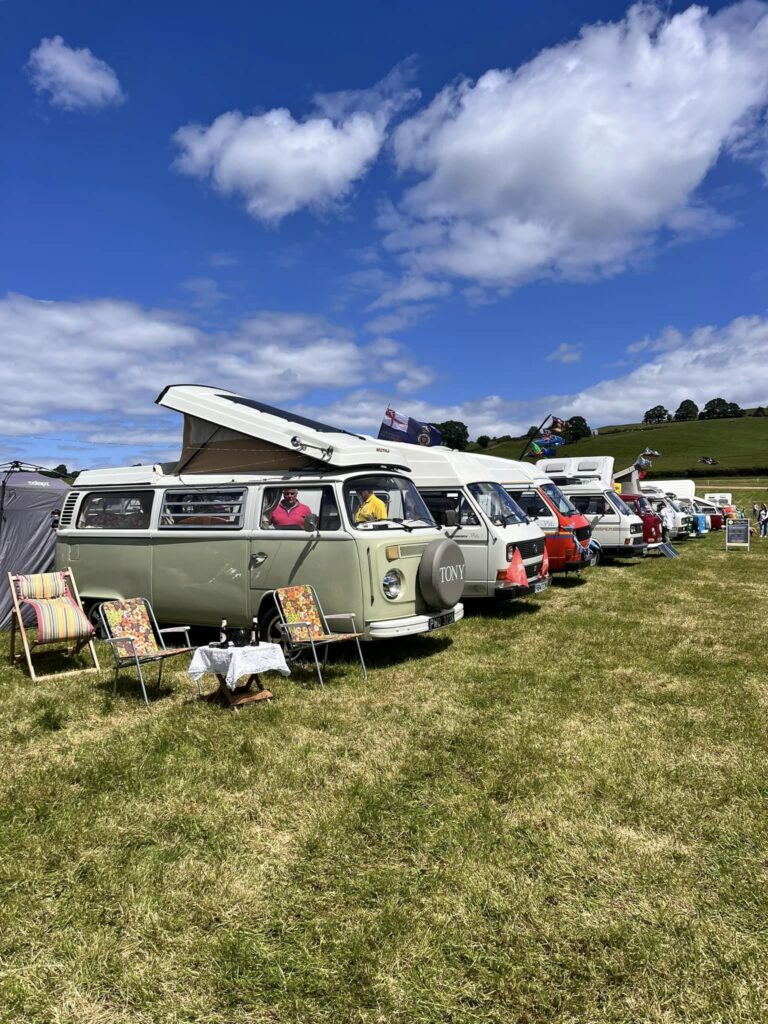
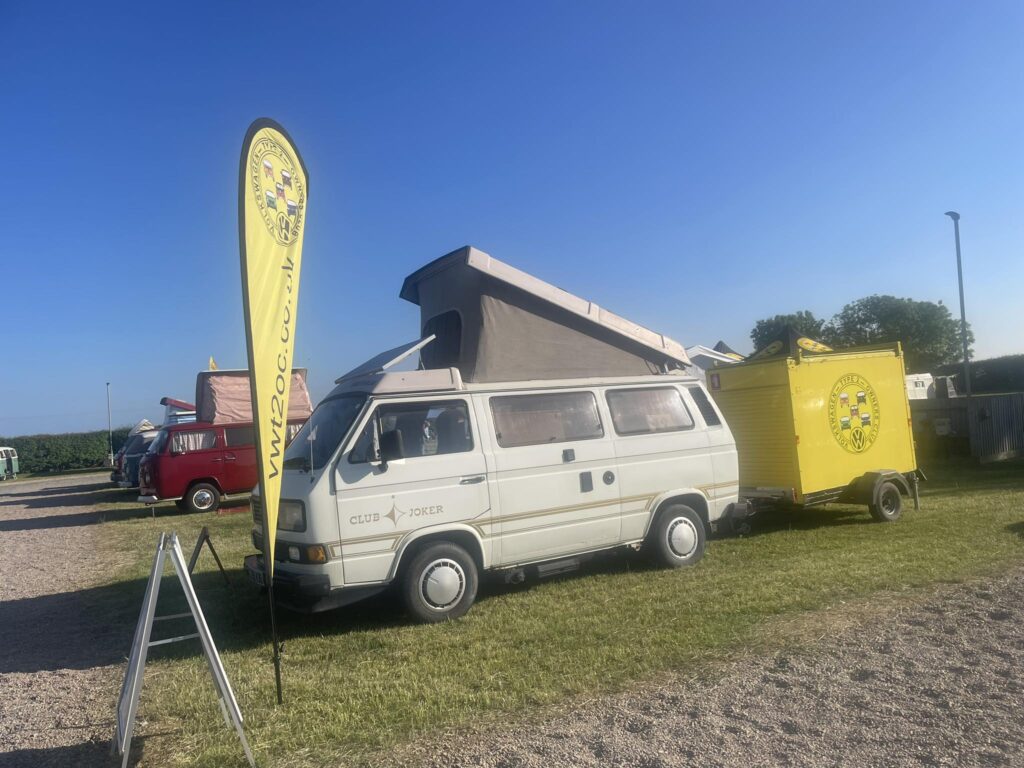
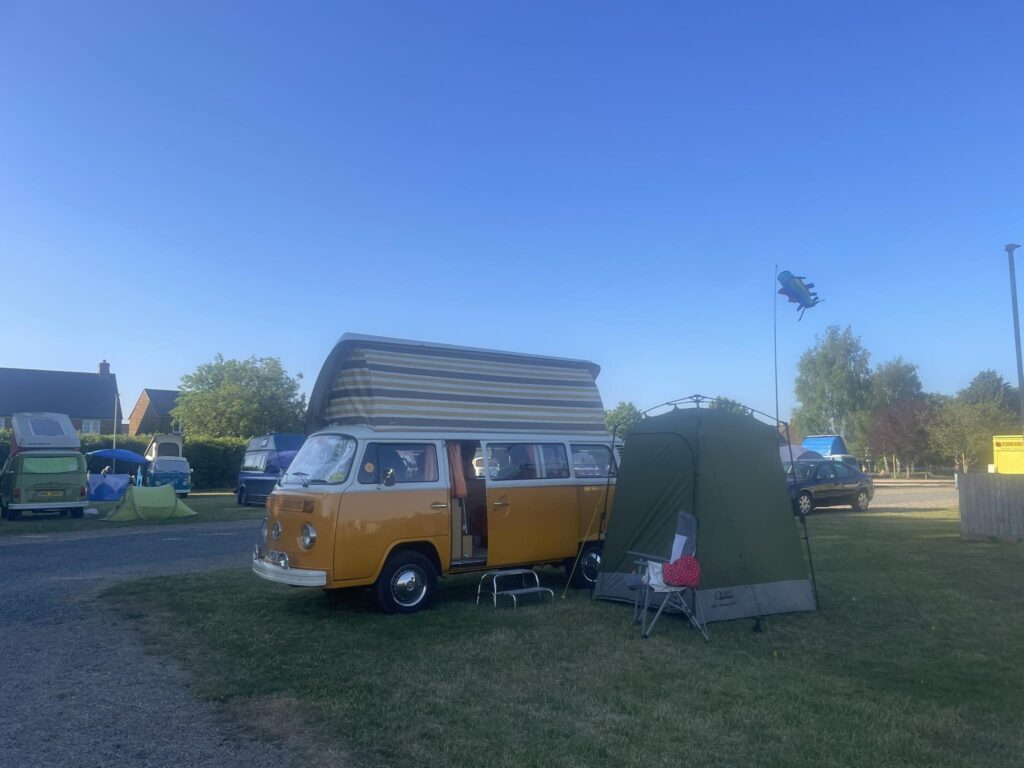
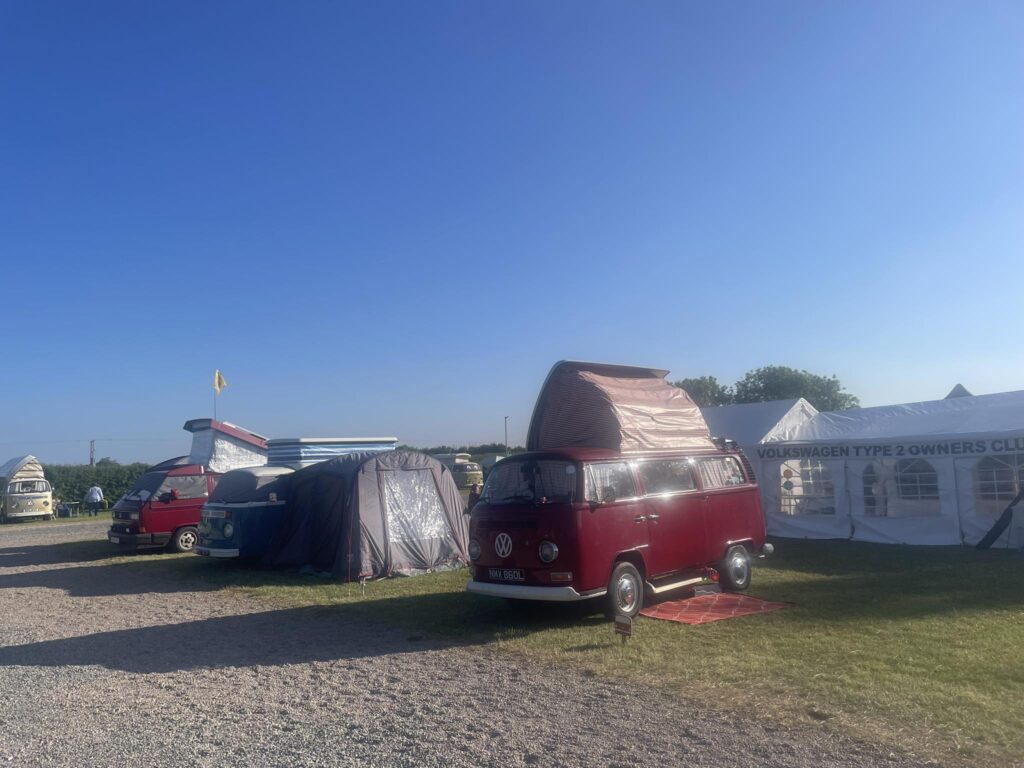
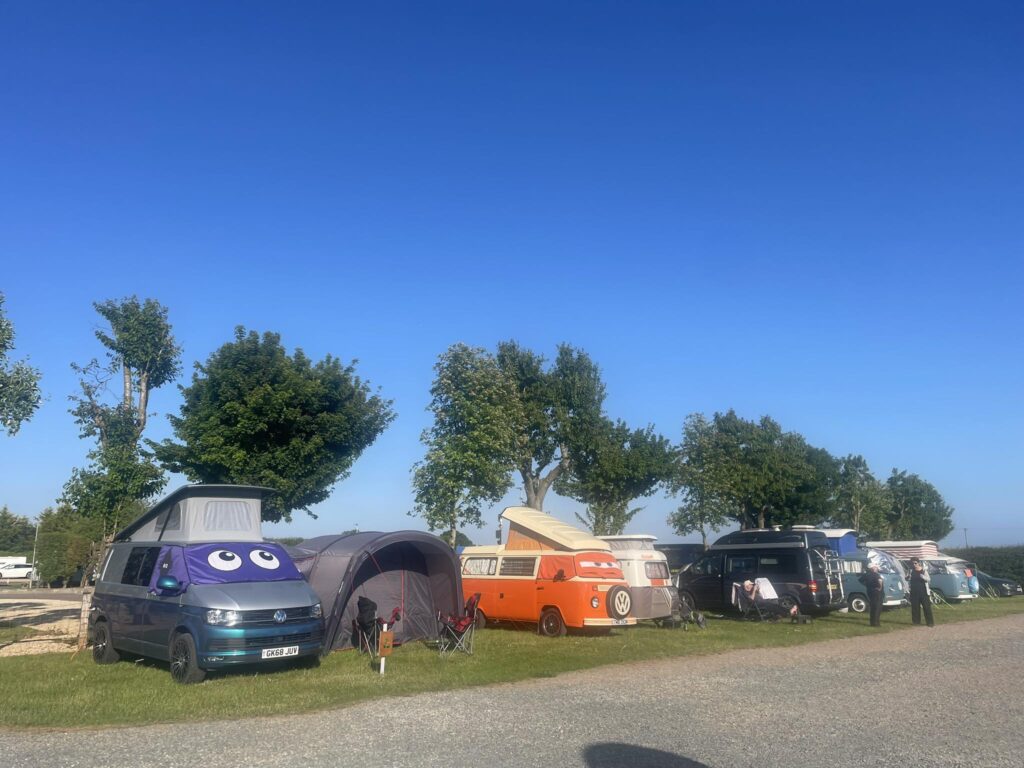
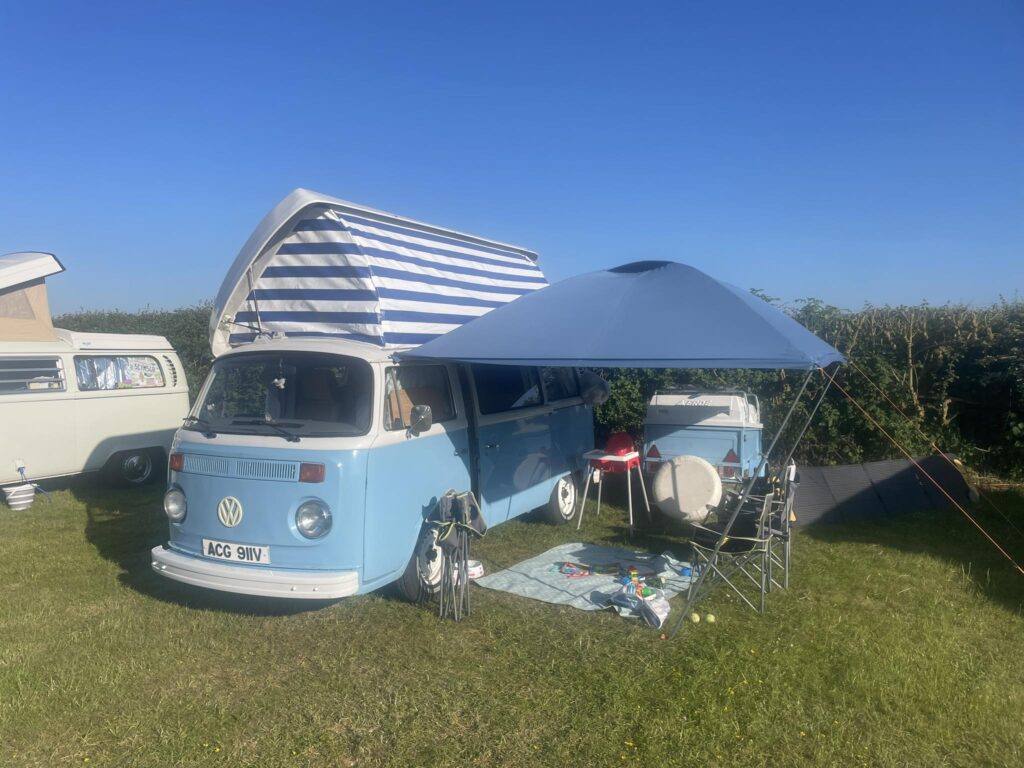
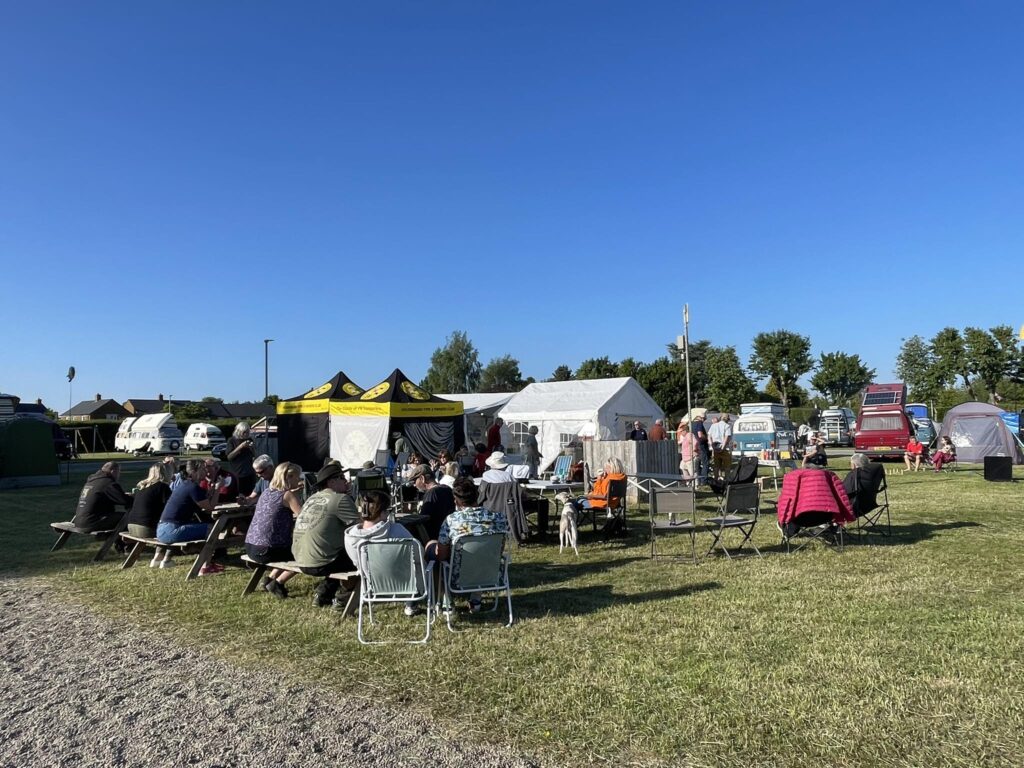
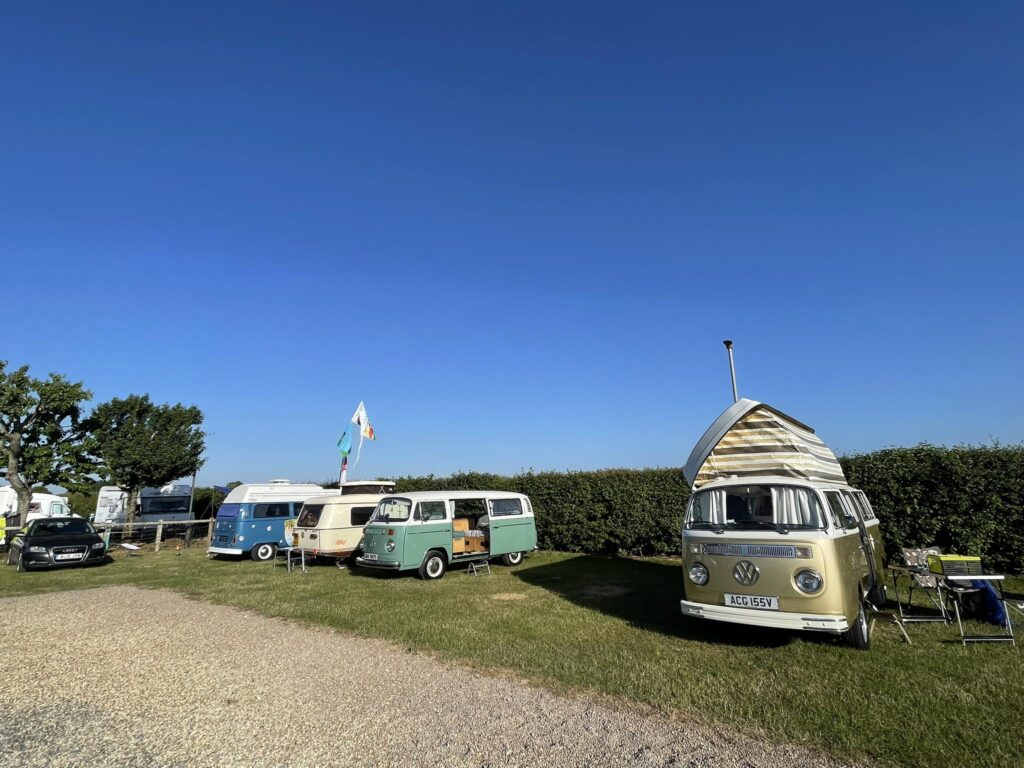
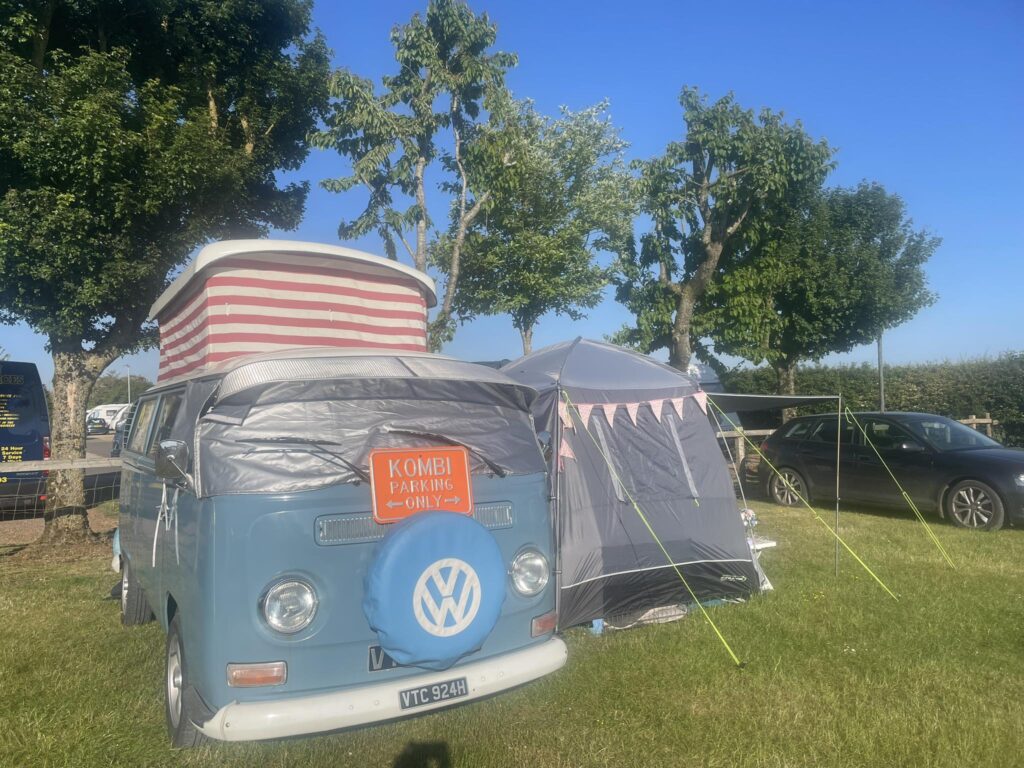
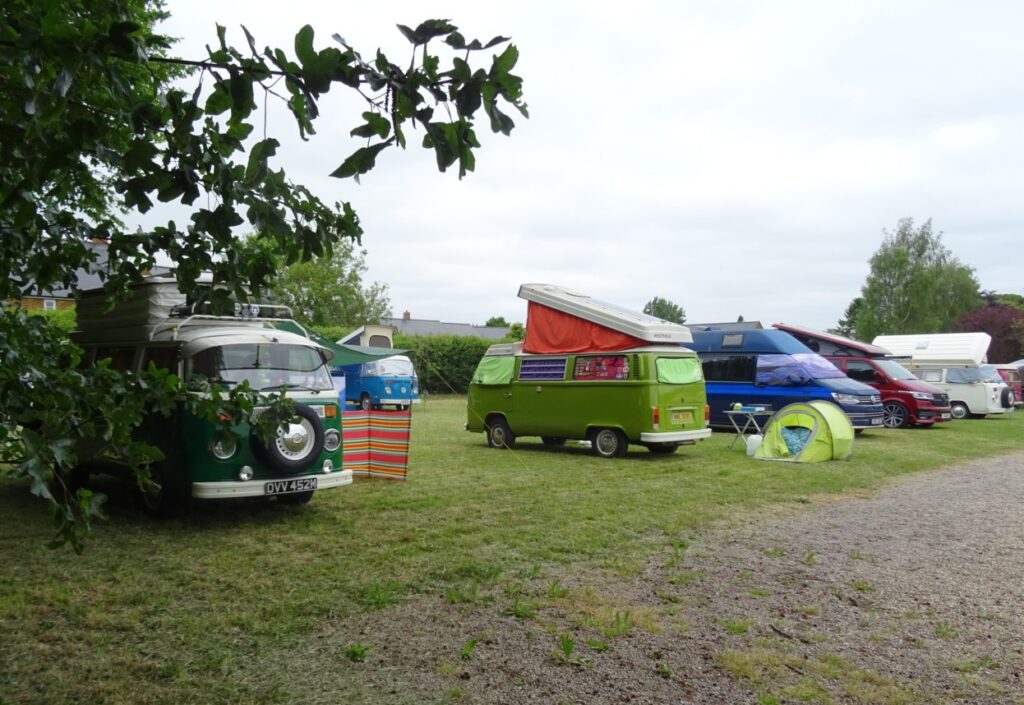
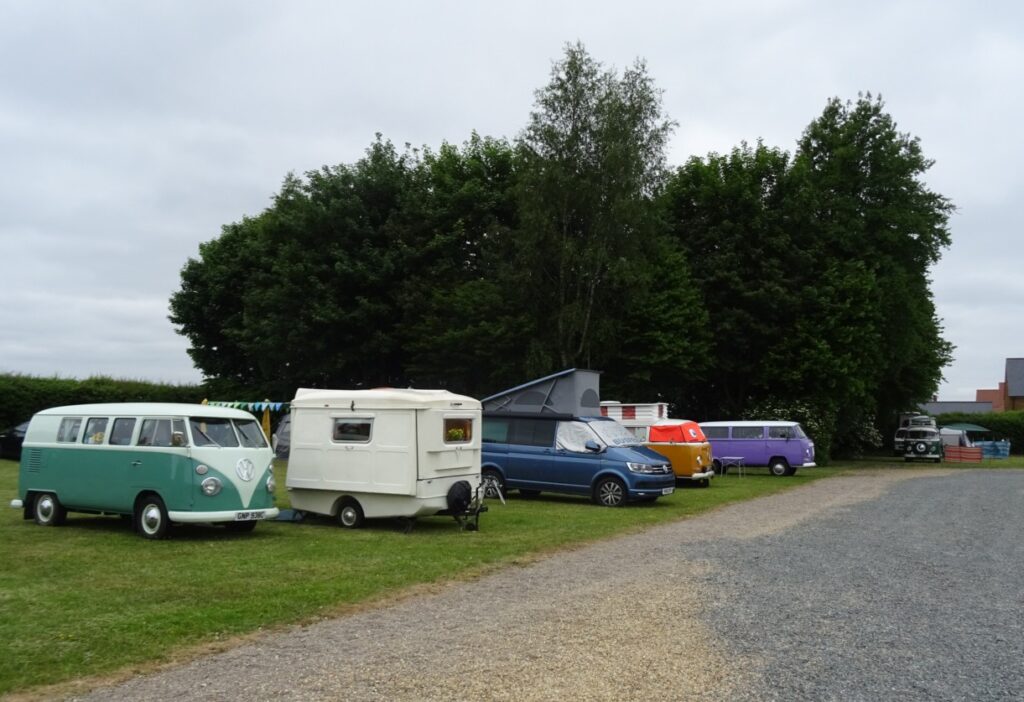
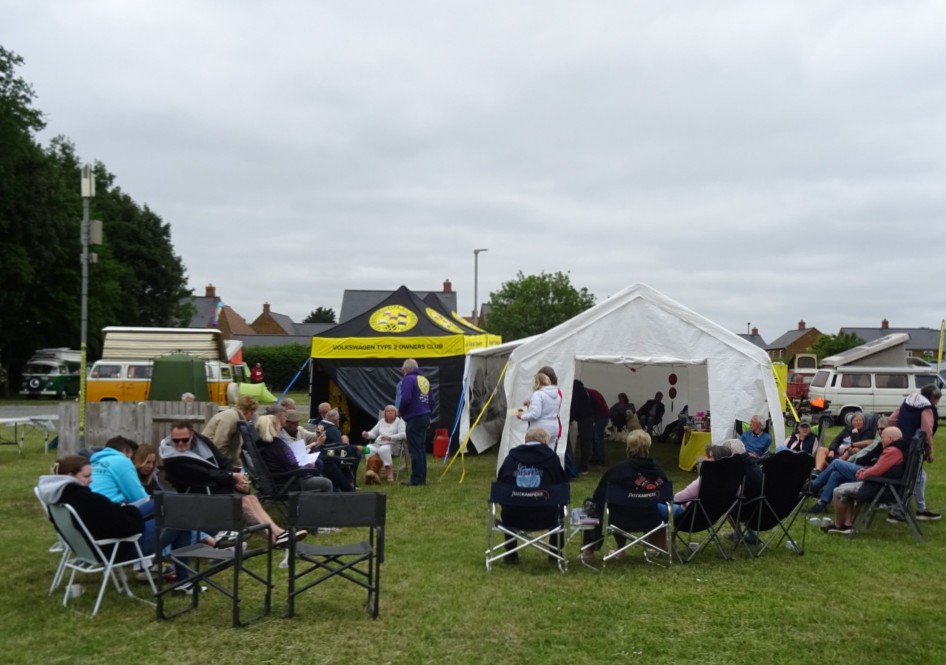
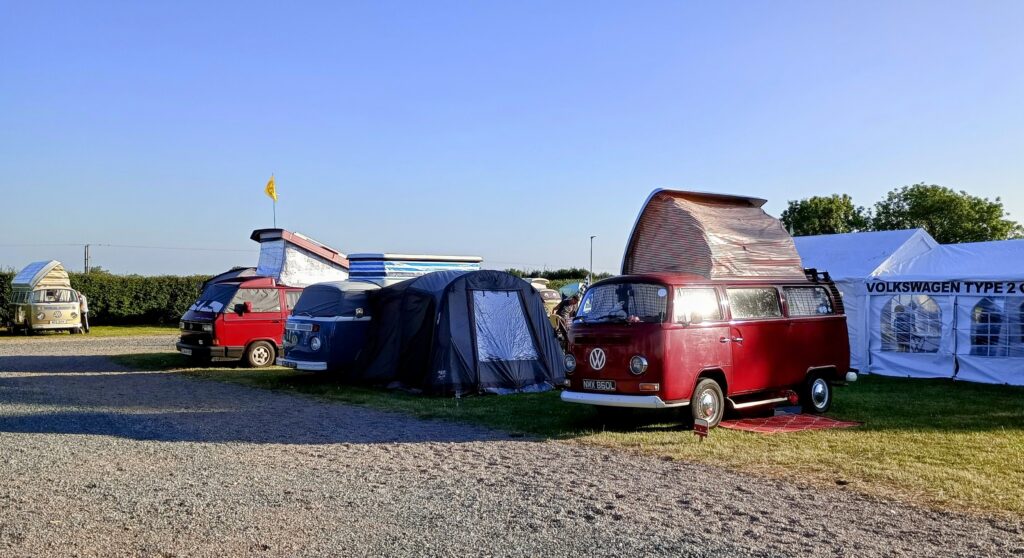
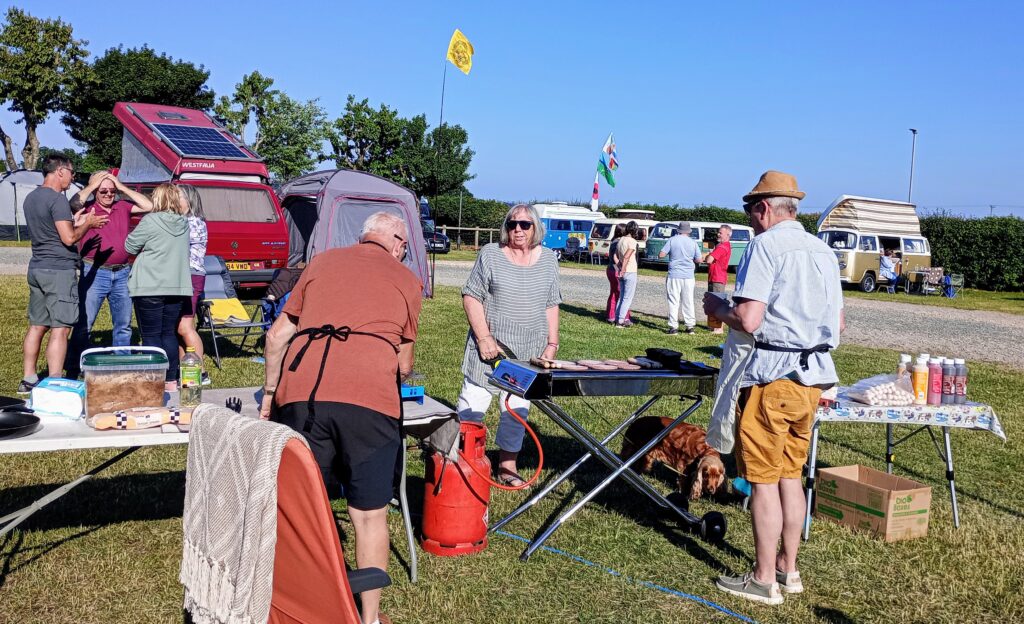
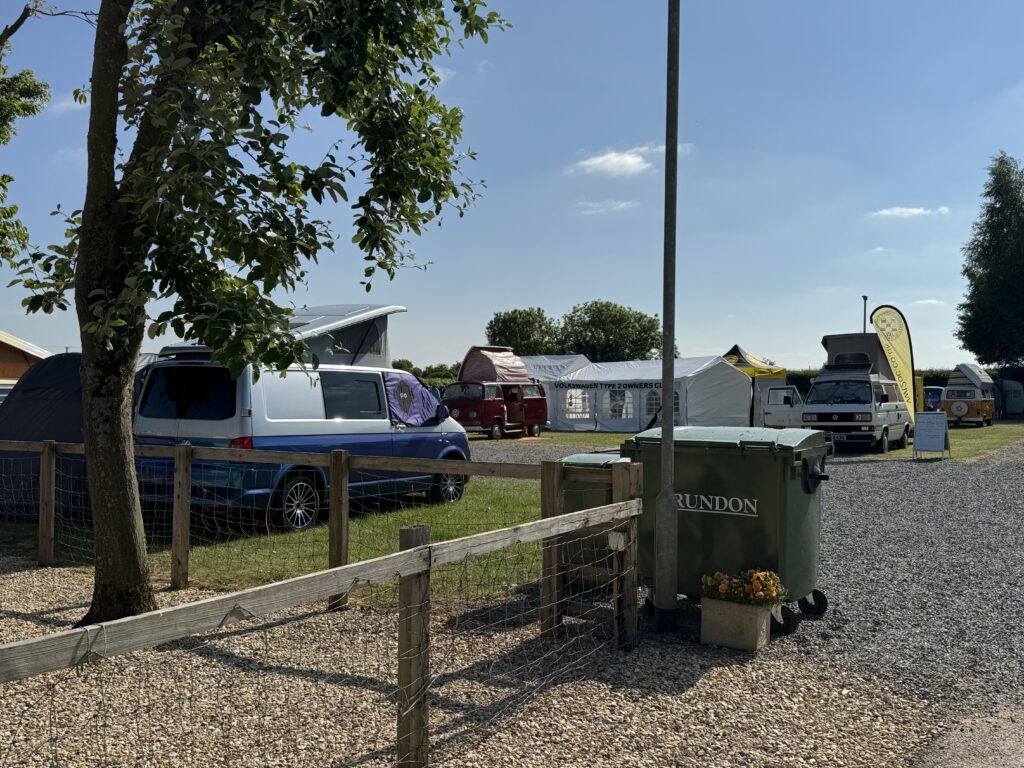
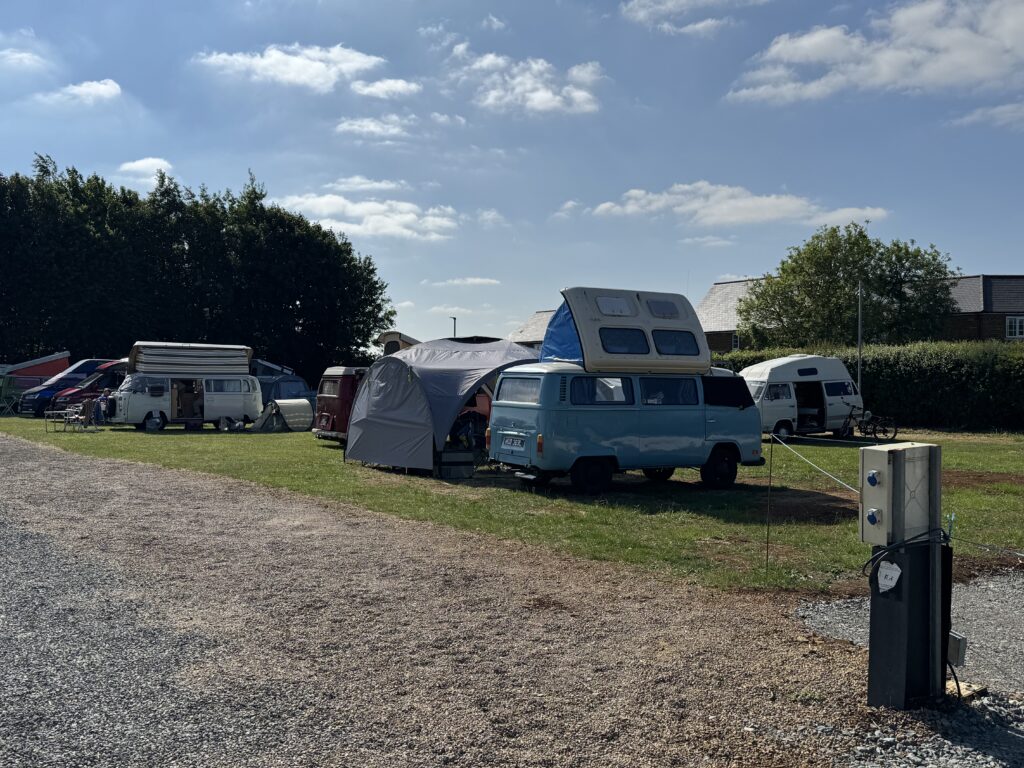
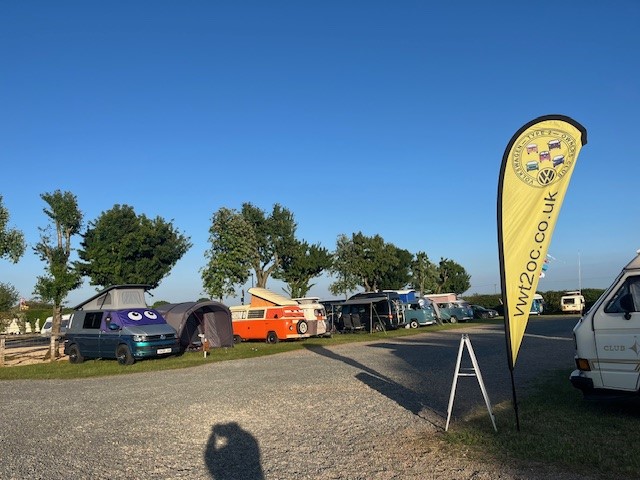
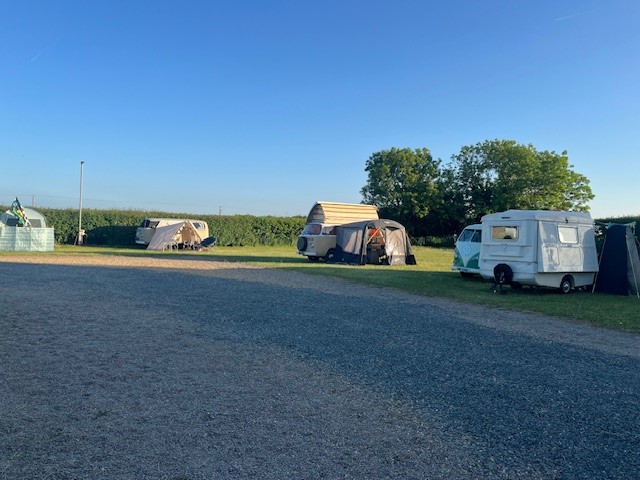
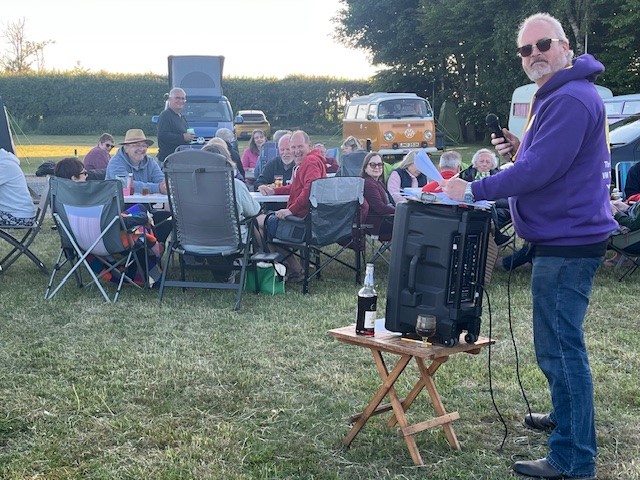
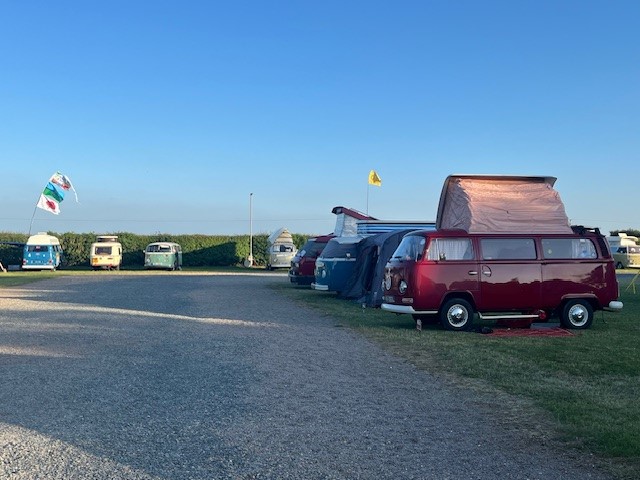
One of our favourites – Barnstones Camp Site on the outskirts of Banbury in Oxfordshire. Scene of our first member BBQs and a popular event for the members.
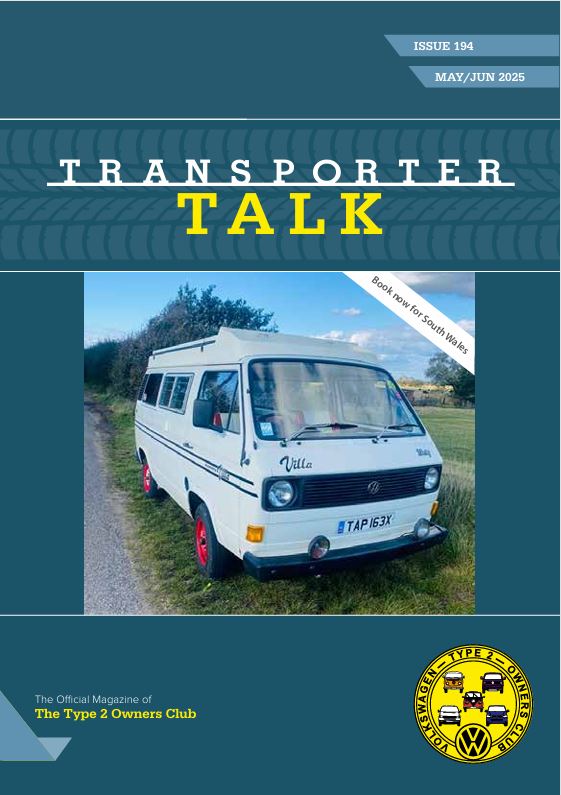
The next edition of the club magazine has been finished by our Editors and looks fantastic. It should be arriving through your door soon! If you are enjoying the club magazine and have a story about a trip, an upgrade, a restoration or just a tip, send a contribution to our Editor at editor@vwt2oc.co.uk.
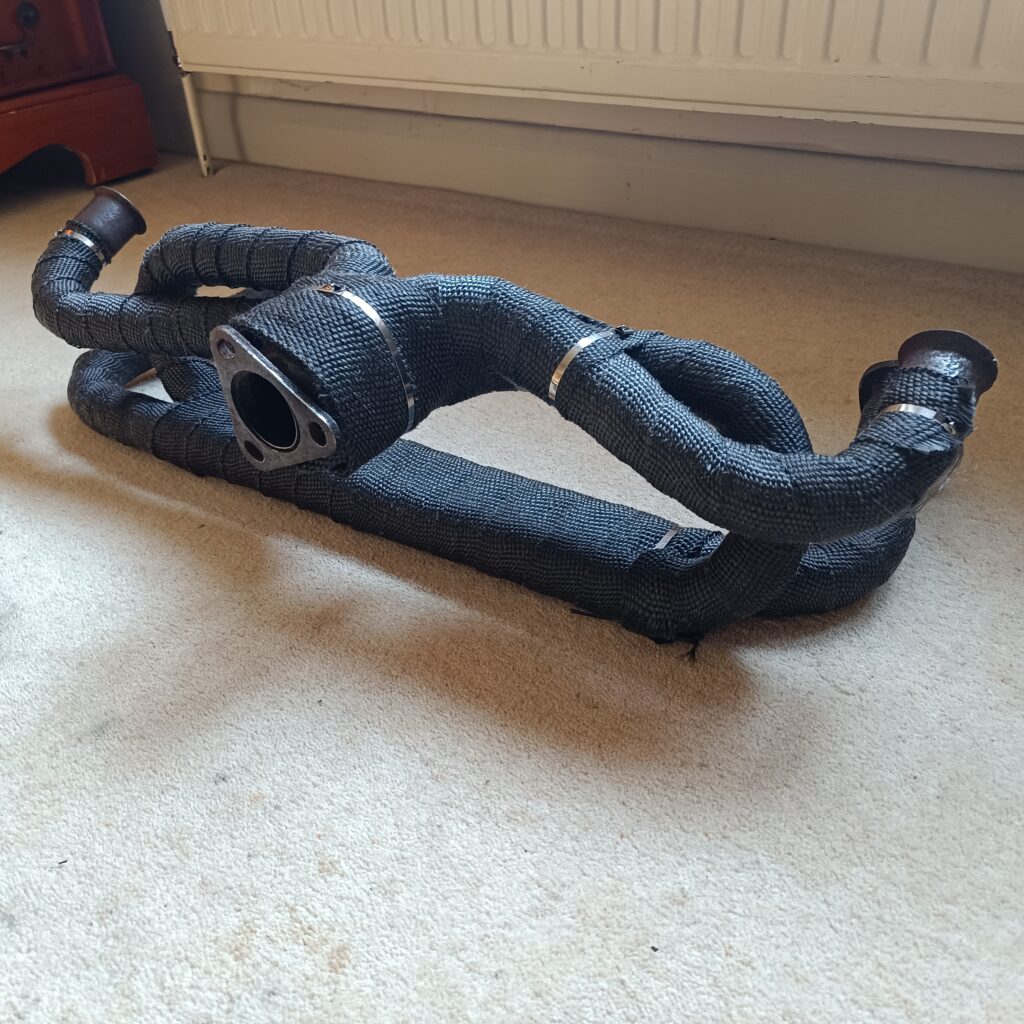
This issue’s gadget is “exhaust wrap” or “exhaust bandage”. Engines get hot – air cooled or water cooled, it doesn’t matter – there is heat being generated from the combustion of fuel and getting the heat away is a key part. With the exhaust being in close proximity to the engine and the by products coming out of the exhaust, it naturally gets hot and the radiating effect means that anything nearby is heating up.
The bandage wrap acts as an insulator, keeping the heat inside the exhaust, thereby keeping the heat away from around the engine. Even if it is only a small benefit, it is a benefit. It also looks nicer than a slightly rusty exhaust manifold.
The wrap is easily available from motor factors and online and costs between £10 and £20, there are a lot available and most comes with metal ties to make a neat job.
Removing the exhaust manifold is optional but was done on this one as the engine was out of the vehicle. Starting at any end, start wrapping the bandage around the manifold tightly trying not to get too many layers on any section. As you get to a suitable point, use one of the ties to stop it unravelling – the start will be kept in place as it is under the next row BUT it is easy at this point to tie that one off as well for completeness. You can wrap it as neatly as you wish, you may as well use all of the ties that come with it.
Some of them are glass fibre or have other heat retardant materials that can make your hands itch, so take suitable precautions.
Spend since last report: £17.55. Total hours labour since last report: 8
Whilst sorting the workbench, I came across a trapezoidal piece of steel with a lip all round, covered in 50 years of muck. It is the steering box strengthener plate that goes between the box and the chassis rail. I had been looking for it last year when I fitted the steering box back onto Eric. Annoyingly, I had put the steering box on, the drag link, greased everything and it looked great.
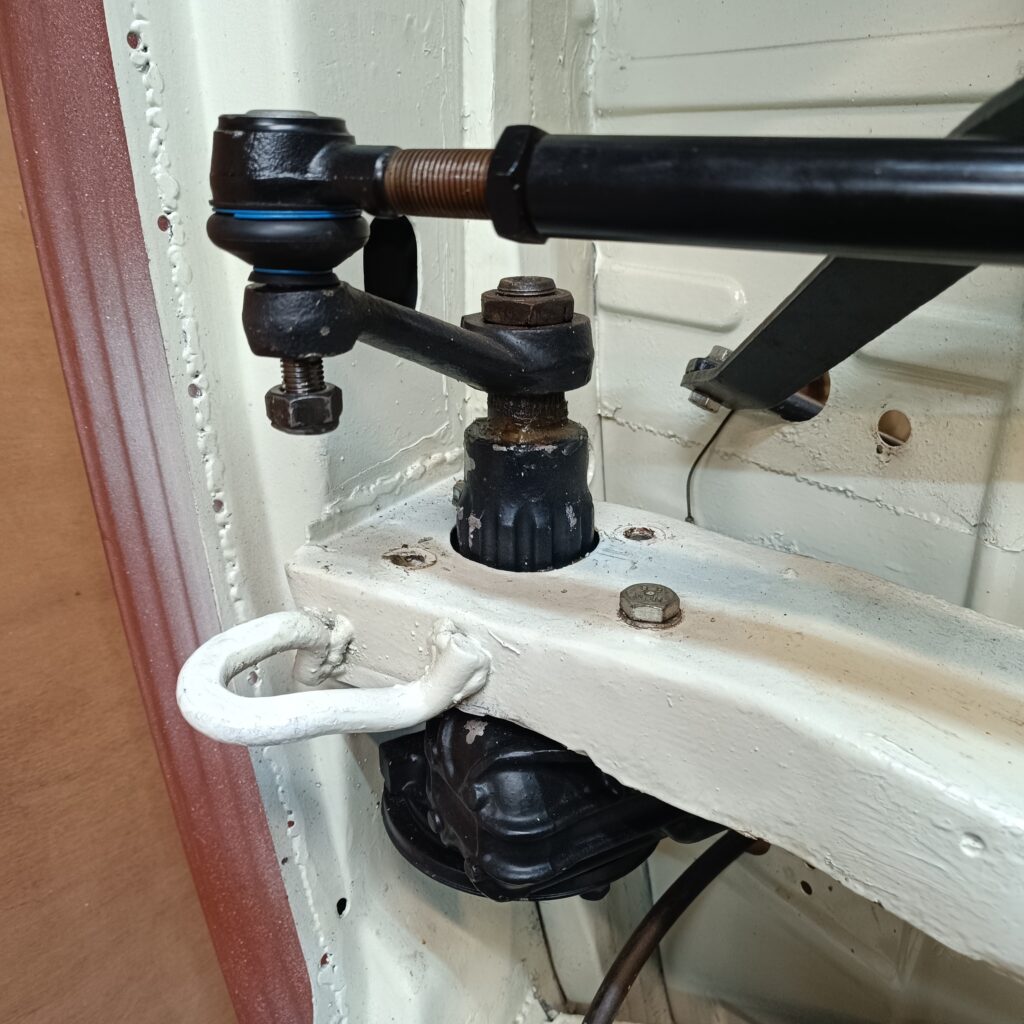
Drag link nut came off easily but the ball joint (top of picture) steadfastly refused to separate from the Pitman arm (arm at an angle under it). After much hammering and swearing, I explained the issue to a neighbour who offered to lend me his ball joint separator, which reminded me that I had one on the tool shelf ten feet from where I had been hitting the ball joint bolt. Oops, silly me.
Once the drag link was off, it is possible to remove the steering box of a late Bay with the Pitman arm still attached, which is a good job as the arm will not come off the box so it is staying there for now! With the steering box on the bench and the strengthener plate being stripped to bare metal for a repaint, I was unhappy with the paint on the steering box so that was stripped again. 3 coats of etch prime and 2 coats of John Deere top paint in matt black to both and they looked great once more.
Seam sealer to the join between chassis and strengthener plate (it is horrendously messy stuff) and reassembly went smoothly. At the same time, since I had the etch primer and the top coat, I grabbed the box of tin ware for the engine and did that as well – I had stripped it last year and rust proofed already. Looks much better.
The brake pedal had been bothering me as I had a return spring that seemed to do nothing – I did my trusty saying “What would Malcolm do?” and contacted him. My spring had snapped, which was why it was doing nothing. JK to the rescue with that and a pack of other bits. The return spring works better when it is complete and after a small fight, it was on. I connected the handbrake cables to the brace bar that also turned up on the bench and then went through all of the suspension and steering nuts, ensuring that each one has the correct washer under the nut. During one enforced rest, I bought loads of washers and a box of drawers to store them. All labelled of course. That was easier than hunting through my assorted basket of bits for random washers and all nuts are now about 18% stronger with the washer added.
The clutch return spring was next, the previous one having never been there. Removing the circlip, the arm, the cup seal and the washer took 5 minutes, cleaning was straight forward but took about 15 minutes to remember where I had put the box of new circlips! Once found it was easy, then empty the whole of the garage of all boxes of parts, work bench, welder and everything else which took ages. Eric went down onto his 2 wheels, the rollover jig came off, new wheels went on the hubs. Those wheels went down as well…fortunately I have spares.
Eric is now on 4 wheels and I can access the front. Next up, prepare the cab for the topcoat – filler, sanding, more primer on top of the current primer, then topcoat in L90D white. The only spend this time was £17.55 on a new spray gun, the old one was about a fiver and has done about 7 years good service but keeps leaking paint out of the nozzle all over the floor. The garage looks like it has measles.
The next morning, I popped into the garage to see Eric and the overnight heavy rain had come in leaving a large puddle under the workbench and the freezer. Ho hum.
The next edition of the club magazine has been finished by our Editors and looks fantastic. It should be arriving through your door soon! If you are enjoying the club magazine and have a story about a trip, an upgrade, a restoration or just a tip, send a contribution to our Editor at editor@vwt2oc.co.uk.